
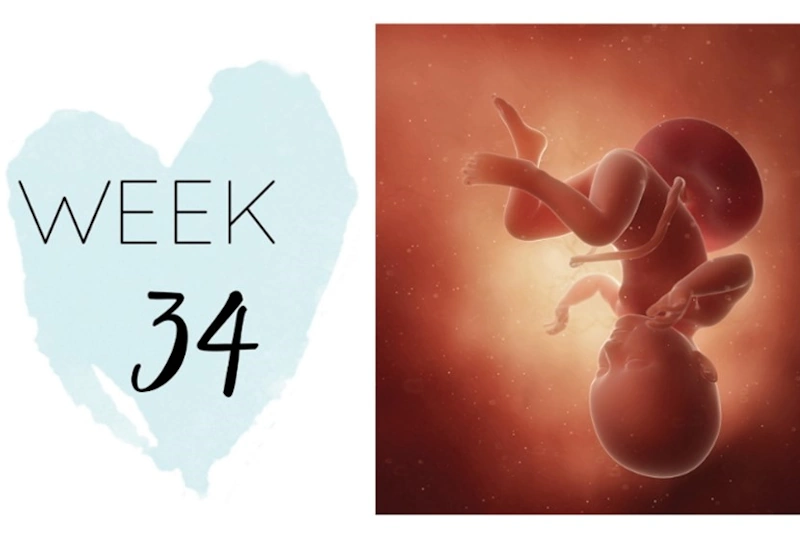
At week 34 of pregnancy, many mothers become more attentive to fetal movements and changes in their own bodies. At this stage, your baby weighs around 2.1 kilograms (4.6 pounds) and measures approximately 45 centimeters (18 inches) from head to heel. As the uterus becomes more crowded, fetal movements may feel different, which can naturally raise concerns for expectant mothers.
Understanding what changes are normal—and which symptoms require medical attention—can help you navigate this important stage of pregnancy with confidence and peace of mind.
Fetal Development at Week 34 of Pregnancy
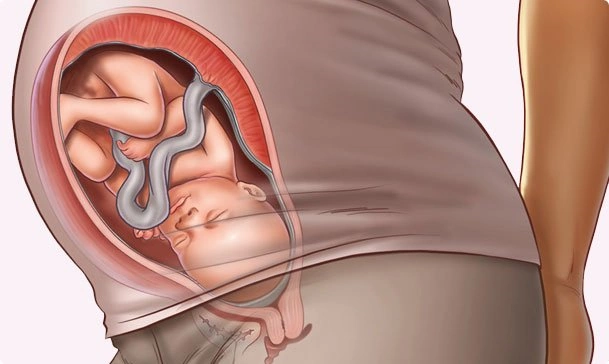
At week 34 of pregnancy, your baby has entered the final stages of development before birth. Most of the major organs are fully formed, and the focus now is on growth, maturation, and preparation for life outside the womb. While your baby is still developing, they are increasingly capable of surviving and thriving if born at this stage with appropriate medical care.
Fetal Size and Weight at Week 34

By week 34, your baby continues to gain weight rapidly, primarily due to fat accumulation beneath the skin.
-
Average weight: approximately 2,100–2,400 grams (4.6–5.3 pounds)
-
Average length: about 45 centimeters (18 inches) from head to heel
These fat stores play a crucial role in:
-
Regulating body temperature after birth
-
Providing energy reserves
-
Supporting healthy skin development
It is normal for babies to vary in size; healthcare providers focus on consistent growth patterns rather than exact measurements.
Brain and Nervous System Development
The brain undergoes significant growth at week 34. Although it is nearly fully developed, it continues to mature rapidly.
At this stage, your baby:
-
Has well-developed brain structures
-
Can process sounds and respond to voices
-
Shows sleep–wake cycles
-
Is capable of learning and forming early memory patterns
These developments explain why your baby may respond to familiar sounds, music, or voices.
Sensory Development: Sight, Hearing, and Touch
Your baby’s senses are becoming more refined:
-
Hearing is well developed; your baby can recognize familiar voices
-
Vision continues to mature, with improved ability to perceive light and dark
-
Touch is highly sensitive, allowing your baby to react to movement and pressure
You may notice changes in movement patterns as your baby responds to sensory input.
Lung Development and Breathing Practice
Although the lungs are not fully mature, they continue producing surfactant, a substance that helps keep air sacs open after birth.
At week 34:
-
Many babies can breathe independently if born
-
Breathing movements are practiced through inhalation of amniotic fluid
Despite this progress, some babies born at this stage may still require short-term respiratory support.
Digestive and Immune System Maturation
Your baby regularly swallows amniotic fluid, which helps:
-
Develop the digestive system
-
Train the kidneys to produce urine
At this stage, your baby may swallow up to one liter of amniotic fluid per day, excreting a similar amount as urine.
The immune system is also developing, with increasing antibody transfer from mother to baby, offering early protection after birth.
Fetal Movement at Week 34
As space in the uterus becomes limited, fetal movements may feel stronger but less dramatic than earlier weeks.
You may notice:
-
Firm kicks or pushes
-
Rolling or stretching movements
-
Less frequent full turns
Although movement patterns change, a significant decrease in movement is not normal and should be evaluated by a healthcare provider.
Sleep Patterns and Eye Movement
Your baby now experiences defined sleep and wake cycles. During sleep, your baby closes their eyes; when awake, they may open them and even blink. These patterns reflect increasing neurological maturity.
Position of the Baby
Many babies begin moving into a head-down (cephalic) position by week 34 in preparation for birth. Some babies may still be breech or transverse at this stage, which often corrects naturally in the coming weeks.
Key Takeaway
By week 34, your baby is structurally complete and rapidly maturing. The coming weeks are focused on weight gain, organ refinement, and preparation for birth. Monitoring fetal movements and attending prenatal checkups remain essential as your pregnancy approaches its final phase.
Changes in the Mother’s Body at Week 34 of Pregnancy
At week 34 of pregnancy, a mother’s body continues to undergo significant physical and hormonal changes as it prepares for labor and delivery. While many of these changes are normal, understanding what to expect can help reduce anxiety and improve comfort during the final weeks of pregnancy.
Digestive Changes: Heartburn, Nausea, and Appetite Shifts

As the uterus expands, it places increasing pressure on the stomach and intestines. This can lead to:
-
Heartburn and acid reflux
-
Occasional nausea or vomiting
-
A feeling of fullness after small meals
Eating smaller, more frequent meals and avoiding lying down immediately after eating can help relieve these symptoms.
⚠️ Severe or persistent nausea, especially when accompanied by fatigue or itching, may indicate rare pregnancy-related liver conditions and should be evaluated by a healthcare provider.
Fatigue and Sleep Disturbances
Many women experience increased fatigue at week 34 due to:
-
Physical strain from carrying extra weight
-
Difficulty finding a comfortable sleeping position
-
Frequent nighttime urination
Sleeping on the left side, using pillows for support, and maintaining a consistent bedtime routine may improve sleep quality.
Back Pain, Pelvic Pressure, and Joint Discomfort
Hormonal changes continue to loosen ligaments in preparation for childbirth. Combined with the growing uterus, this can cause:
-
Lower back pain
-
Pelvic and hip discomfort
-
A feeling of heaviness or pressure in the lower abdomen
Gentle stretching, prenatal yoga, supportive footwear, and proper posture can help reduce discomfort.
Swelling of Hands, Feet, and Face
Mild swelling (edema), particularly in the feet and ankles, is common in late pregnancy. It often worsens by the end of the day and improves with rest.
However, sudden or severe swelling, especially in the face or hands, may be a warning sign of preeclampsia and requires immediate medical attention.
Braxton Hicks Contractions
At this stage, many women experience Braxton Hicks contractions, which are irregular, usually painless tightening of the uterus. These contractions:
-
Do not become stronger or closer together
-
Often ease with rest or hydration
If contractions become regular, painful, or increase in intensity, medical evaluation is necessary to rule out preterm labor.
Shortness of Breath
The upward pressure of the uterus can make breathing feel more difficult. This is common and usually improves once the baby moves lower into the pelvis (lightening).
Sudden or severe shortness of breath should be evaluated promptly.
Skin, Hair, and Nail Changes
Hormonal fluctuations may cause:
-
Faster nail growth
-
Thicker or shinier hair
-
Skin changes such as redness, dryness, or increased pigmentation
Staying hydrated, using gentle skincare products, and avoiding harsh treatments can help manage these changes.
Emotional and Mood Changes
Emotional fluctuations are common at week 34. You may experience:
-
Increased sensitivity or irritability
-
Anxiety about labor and delivery
-
Mood swings
These feelings are normal. Talking with your partner, healthcare provider, or other expectant mothers can provide reassurance and emotional support.
Baby “Dropping” (Lightening)
As labor approaches, some babies move lower into the pelvis. This process, called lightening, may:
-
Reduce pressure on the lungs
-
Increase pelvic pressure or urinary frequency
Not all babies drop before labor, especially in women who have had previous pregnancies.
When to Contact Your Doctor
Seek medical advice if you experience:
-
Severe or sudden swelling
-
Vaginal bleeding or fluid leakage
-
Persistent abdominal pain
-
Regular or painful contractions
-
Decreased fetal movement
Key Takeaway
The changes in your body at week 34 are signs that your body is actively preparing for childbirth. While discomfort is common, most symptoms are manageable with proper care, rest, and awareness. Always trust your instincts—if something feels unusual, consult your healthcare provider.
Nutrition and Weight Management at Week 34 of Pregnancy
At week 34 of pregnancy, proper nutrition plays a critical role in supporting your baby’s final growth phase, maintaining maternal energy levels, and preparing your body for labor and recovery. During this stage, weight gain may feel more noticeable, but the goal is healthy and steady weight gain, not restriction or dieting.
Expected Weight Gain at Week 34
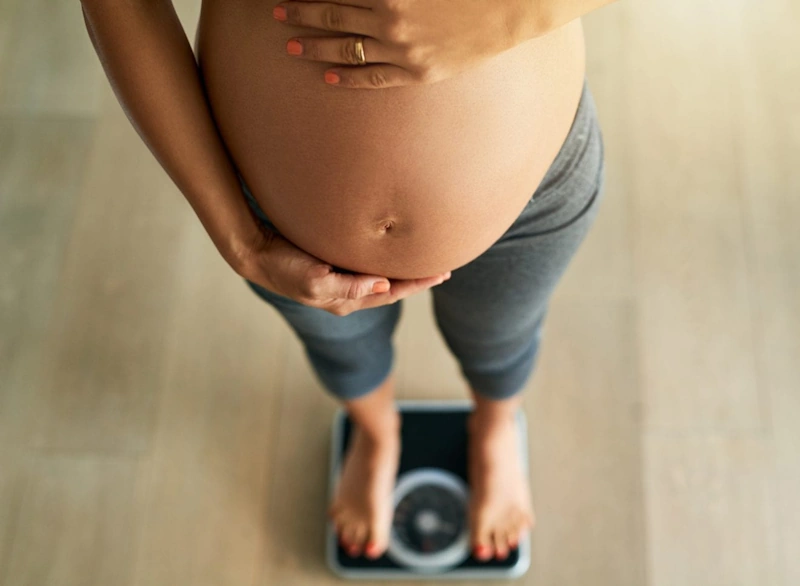
Most women continue to gain weight in the final weeks of pregnancy as a result of:
-
Increased fetal weight
-
Amniotic fluid
-
Placental growth
-
Fat stores needed for breastfeeding
While excessive weight gain may increase the risk of gestational diabetes, hypertension, back pain, and cesarean delivery, it is important to understand that many women who gain more than expected still have healthy pregnancies and healthy babies.
If your weight is rising rapidly, focus on improving food quality rather than reducing calories.
Balanced Nutrition Goals for Week 34
Your diet at this stage should prioritize:
-
Protein – supports fetal tissue growth and maternal muscle strength
-
Complex carbohydrates – provide steady energy and prevent blood sugar fluctuations
-
Healthy fats – support brain development and hormone balance
-
Fiber – reduces constipation and supports digestion
-
Fluids – prevent dehydration and reduce swelling
Key Nutrients to Focus On
Protein
Aim for protein at every meal to support fetal development and stabilize blood sugar.
Good sources include:
-
Lean meat and poultry
-
Eggs
-
Beans and lentils
-
Greek yogurt
-
Nuts and nut butters
Calcium and Vitamin D
Essential for fetal bone development and maternal bone protection.
Sources include:
-
Milk, yogurt, and cheese (pasteurized)
-
Fortified plant-based milk
-
Sunlight exposure and vitamin D supplements (if prescribed)
Iron
Iron needs are higher in late pregnancy to prevent anemia.
Iron-rich foods include:
-
Red meat
-
Spinach
-
Lentils
-
Iron-fortified cereals
Tip: Pair iron-rich foods with vitamin C to enhance absorption.
Fiber
Constipation is common in late pregnancy.
High-fiber foods include:
-
Fruits and vegetables
-
Whole grains
-
Legumes (beans, chickpeas, lentils)
Small, Frequent Meals for Comfort and Energy
As your uterus expands, it puts pressure on your stomach, making large meals uncomfortable. Eating five to six small meals per day helps:
-
Reduce heartburn
-
Prevent nausea
-
Maintain consistent energy levels
Healthy snack ideas:
-
Yogurt with fruit
-
Whole-grain crackers with cheese
-
Apple slices with peanut butter
-
Milk with cereal
-
Beans with rice
Managing Weight Gain Without Restriction
Instead of strict dieting:
-
Eat mindfully and stop when comfortably full
-
Limit ultra-processed and sugary foods
-
Choose nutrient-dense options
-
Stay gently active (walking, stretching)
⚠️ Do not attempt weight loss during pregnancy unless explicitly advised by your healthcare provider.
Hydration in week 34 of pregnancy
Adequate hydration helps:
-
Reduce swelling
-
Prevent constipation
-
Support circulation
Aim for 8–10 glasses of water daily, adjusting for activity level and climate.
Foods to Limit at week 34 of pregnancy
-
High-sodium foods (increase swelling and blood pressure)
-
Fried and greasy foods (worsen heartburn)
-
Excess caffeine
-
Sugary beverages and snacks
When to Talk to Your Doctor
Consult your healthcare provider if you experience:
-
Rapid, unexplained weight gain
-
Loss of appetite or inability to eat
-
Persistent nausea or vomiting
-
Signs of gestational diabetes or anemia
Key Takeaway
At week 34, nutrition is about support, balance, and preparation, not perfection. Focus on nourishing your body with high-quality foods, listening to your hunger cues, and maintaining gentle movement. These habits will benefit both your baby and your postpartum recovery.
Exercise at Week 34 of Pregnancy
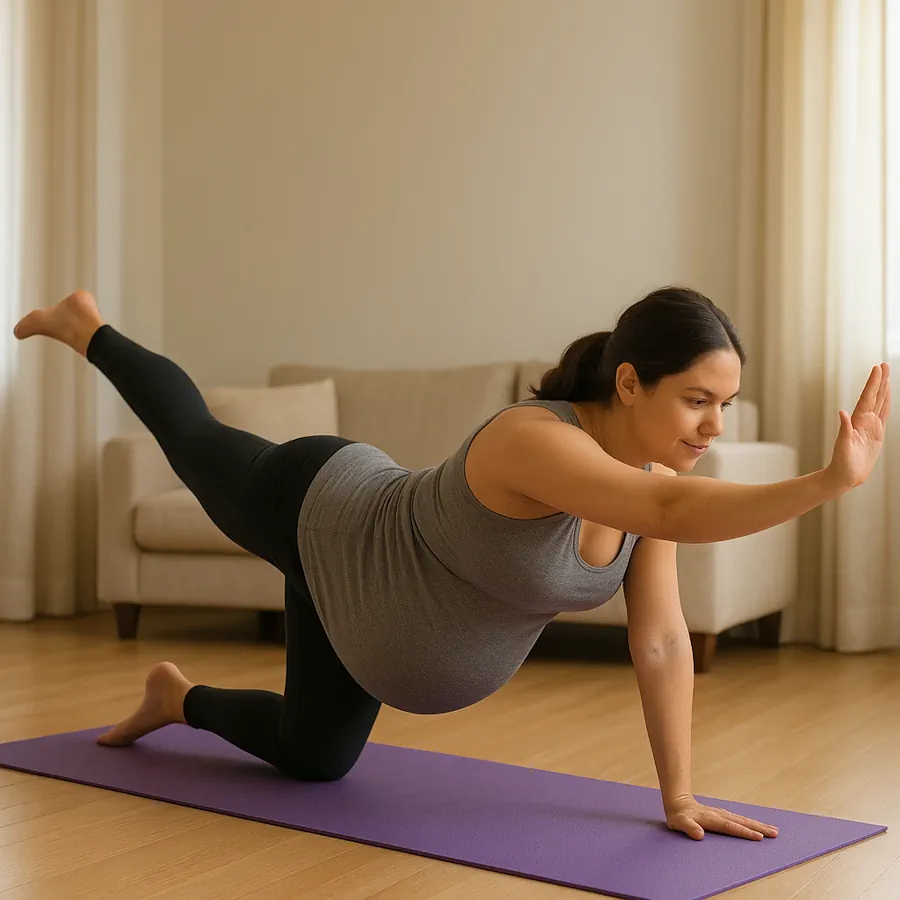
At this stage, exercise should focus on mobility, comfort, and preparation for labor, not performance or weight loss.
Safe Exercises
-
Light walking (20–30 minutes daily)
-
Prenatal yoga and gentle stretching
-
Swimming or water exercises
-
Pelvic floor (Kegel) exercises
Exercises to Avoid
-
High-impact workouts
-
Jumping or sudden movements
-
Exercises requiring prolonged flat-back positions
-
Activities with a high risk of falling
Stop Exercise and Call Your Doctor If You Experience:
-
Dizziness or shortness of breath
-
Abdominal pain
-
Vaginal bleeding or unusual discharge
-
Decreased fetal movement
Frequently Asked Questions – Week 34 of Pregnancy
Is decreased fetal movement normal at week 34?
Movements may feel different, but they should not decrease significantly. Any noticeable reduction requires medical evaluation.
How many months pregnant am I at week 34?
Week 34 falls in the late eighth month of pregnancy.
Is delivery at 34 weeks dangerous?
Birth at 34 weeks is considered late preterm. Many babies do well but may need short-term neonatal care.
What should I eat at week 34 of pregnancy?
Focus on protein, calcium-rich foods, fruits, vegetables, whole grains, and adequate fluids. Avoid excessive salt, fried foods, and processed items.
Is exercise safe at week 34?
Yes, light and safe exercises such as walking, prenatal yoga, and swimming are encouraged unless otherwise advised by your doctor.
Is ultrasound necessary in the third trimester?
Routine ultrasounds are not always required, but they may be recommended for growth monitoring, placental position, fetal presentation, or high-risk pregnancies.
Final Thoughts for week 34 of pregnancy
Week 34 of pregnancy is a crucial time for both physical and emotional preparation. Paying attention to your body, maintaining healthy nutrition and gentle activity, and knowing when to seek medical advice can make these final weeks safer and more comfortable—for both you and your baby.
If you ever feel uncertain, trust your instincts and consult your healthcare provider.




No comment