

Week 36 of pregnancy is one of the most important and exciting stages of the third trimester. At this point, your baby is almost fully developed, and your body is actively preparing for labor. Many mothers begin to experience new physical sensations and have important questions about delivery, fetal development, and warning signs.
In this comprehensive guide, we review fetal development, maternal body changes, labor signs, twin pregnancy considerations, essential maternal care, and answer the most common questions about week 36 of pregnancy based on medical knowledge and clinical experience.
Fetal Development in Week 36 of Pregnancy
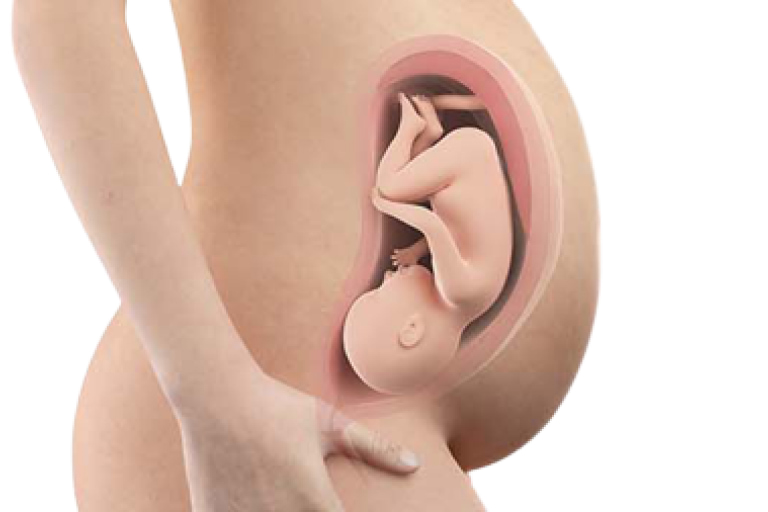
By week 36 of pregnancy, rapid fetal growth has largely slowed, and the baby is focusing on final maturation. A 36‑week fetus measures approximately 47–48 cm (18.5–19 inches) in length and weighs about 2,600–2,900 grams (5.7–6.4 pounds). From now until birth, weight gain mainly comes from increased fat storage.
At this stage:
- Fingernails are fully grown and may even scratch the skin
- The kidneys and liver are functioning properly
- The immune system is strengthening through antibodies transferred from the mother
- Sucking and swallowing reflexes are well developed
Lung Development at 36 Weeks
In most cases, the lungs have reached a level of maturity that allows independent breathing after birth, although some newborns may require brief medical support.
Many babies also move into a head‑down (cephalic) position and gradually descend into the pelvis in preparation for delivery.
Changes in the Mother’s Body in Week 36

During week 36 of pregnancy, the mother’s body enters the final preparation phase for labor. Weight gain often slows, and most symptoms are related to hormonal shifts and increased pressure from the uterus.
Common Physical Changes:
- Abdominal tightening (Braxton Hicks contractions)
- Pelvic pressure as the baby moves lower
- Lower back and hip pain
- Increased vaginal discharge
- Frequent urination
- Swelling of feet and ankles
- Fatigue and sleep disturbances
These symptoms are usually normal, but it is important to monitor their intensity and frequency.
Is Giving Birth at 36 Weeks Dangerous?

Delivery at 36 weeks of pregnancy is considered late preterm birth. In most uncomplicated pregnancies, it is not associated with serious risks.
A 36‑week newborn usually:
- Can breathe independently
- Has functional feeding reflexes
- Regulates body temperature reasonably well
However, some babies may experience:
- Mild breathing difficulties
- Neonatal jaundice
- Temporary need for observation or NICU care
When Extra Caution Is Needed
Additional monitoring may be required if the mother has:
- Twin or multiple pregnancy
- Gestational diabetes or hypertension
- Premature rupture of membranes
- Growth restriction of the fetus
Cesarean delivery at 36 weeks may be recommended when medically indicated and does not necessarily imply higher risk.
Signs of Labor in Week 36 of Pregnancy
It is crucial to distinguish normal late‑pregnancy symptoms from true labor signs.
Definite Signs of Labor:
- Regular, painful uterine contractions that increase in frequency
- Persistent lower back or abdominal pain
- Rupture of membranes (water breaking)
- Vaginal bleeding or bloody mucus discharge
- Strong pelvic pressure or urge to push
Symptoms That Are Usually Not Labor:
- Irregular, painless abdominal tightening
- Discomfort that improves with rest or position changes
When to Go to the Hospital Immediately
- Contractions every 10 minutes or less
- Reduced fetal movements
- Fluid leakage from the vagina
- Fever or severe pain
Twin Pregnancy in Week 36: What Is Different?

A twin pregnancy at week 36 requires closer monitoring and is often considered high‑risk relative to singleton pregnancies.
Key Differences:
- Higher likelihood of labor starting earlier
- Increased uterine pressure and discomfort
- More frequent contractions
- Greater maternal fatigue and limited mobility
Fetal Status in Twin Pregnancies
- Each baby may weigh less than a singleton but is usually well developed
- Lung maturity is generally sufficient
- Growth differences between twins must be monitored closely
In many twin pregnancies, delivery at 36–37 weeks is expected and medically appropriate. The mode of delivery depends on fetal positions and maternal health.
Essential Maternal Care in Week 36 of Pregnancy

Nutrition in Week 36
Proper nutrition supports maternal strength and prepares the body for labor:
- Adequate protein intake (lean meat, eggs, legumes)
- Sufficient iron, calcium, and magnesium as advised by a physician
- Plenty of fluids to prevent dehydration and constipation
- Avoid heavy, salty, and gas‑producing foods
Physical Activity and Exercise
If approved by your healthcare provider:
- Gentle walking
- Light stretching
- Breathing and relaxation exercises
- Pelvic floor (Kegel) exercises
Avoid strenuous workouts, sudden movements, or prolonged lying flat on your back.
Safety and Self‑Care Tips
- Monitor fetal movements daily
- Prepare your hospital bag
- Attend regular prenatal visits
- Prioritize rest and stress reduction
Summary of Week 36 of Pregnancy: When Should You See a Doctor?
Week 36 marks a critical transition toward childbirth. While many changes are normal, never ignore unusual or severe symptoms.
Seek Medical Care Immediately If You Experience:
- Regular, painful contractions
- Vaginal bleeding
- Sudden fluid leakage
- Decreased fetal movements
- Severe headache, vision changes, or sudden swelling
- Fever or general malaise
Early evaluation can prevent complications and ensure a safer delivery for both mother and baby.
Frequently Asked Questions About Week 36 of Pregnancy
Is the baby fully developed at 36 weeks?
Most organs are fully developed, and the baby can usually survive well outside the womb, though it is not considered full‑term.
Is abdominal tightening normal at week 36?
Yes, irregular tightening is often due to Braxton Hicks contractions, but regular painful contractions require evaluation.
Is reduced fetal movement normal?
No. Any noticeable decrease in fetal movement should be assessed promptly.
What is the normal fetal weight at 36 weeks?
Typically between 2.6 and 2.9 kg, depending on genetics and pregnancy type.
Can the water break at 36 weeks?
Yes. Any fluid leakage should be evaluated immediately.
Week 36 of pregnancy is a time of readiness, awareness, and careful monitoring. Staying informed and attentive to your body helps ensure a safe and confident transition into labor.





No comment