
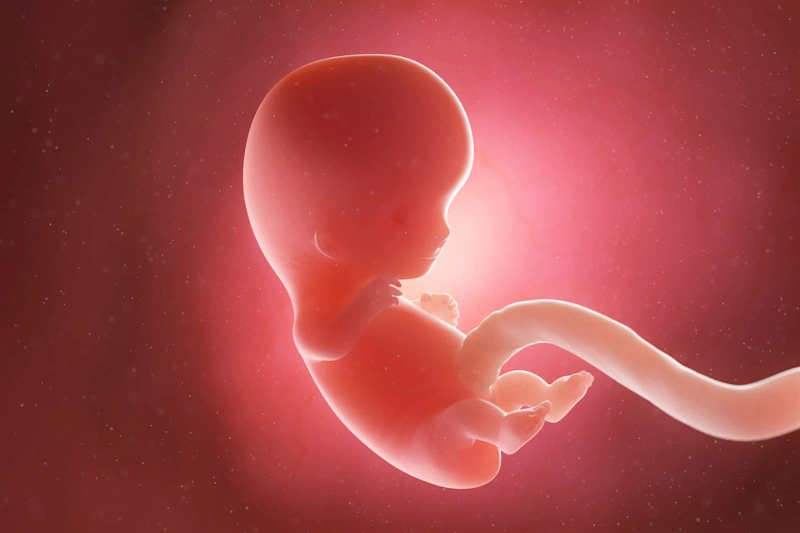
Congratulations — you’ve entered Week 9 of pregnancy, a remarkable stage where your baby is growing rapidly, and your body is adapting to the changes of early motherhood. Even if you don’t “feel” pregnant yet, your hormones are working full-time, your baby’s heart is beating strongly, and tiny movements are beginning inside your womb.
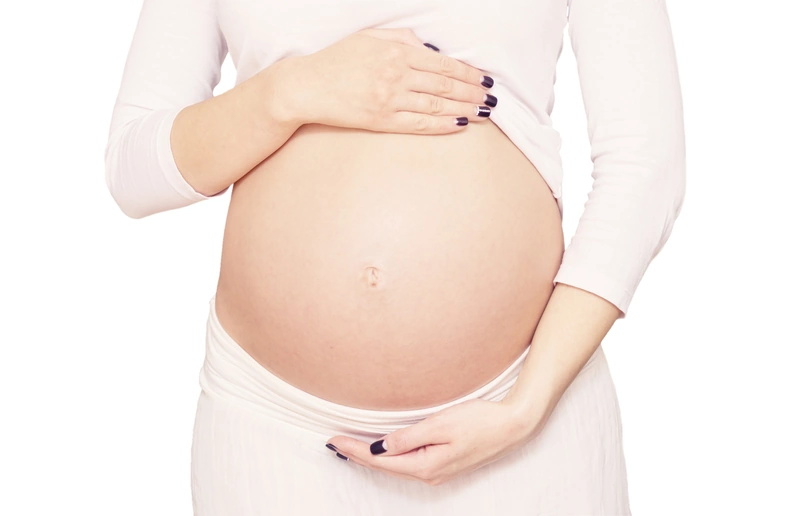
At this point, you’re in month 3 of pregnancy, and while your bump might not be visible yet, so much is happening beneath the surface.
Fetal Development in Week 9
At week 9, your baby is no longer just an embryo — it’s officially called a fetus.
The transformation from a cluster of cells to a tiny, developing human is in full swing.
🫀 Size and Appearance
-
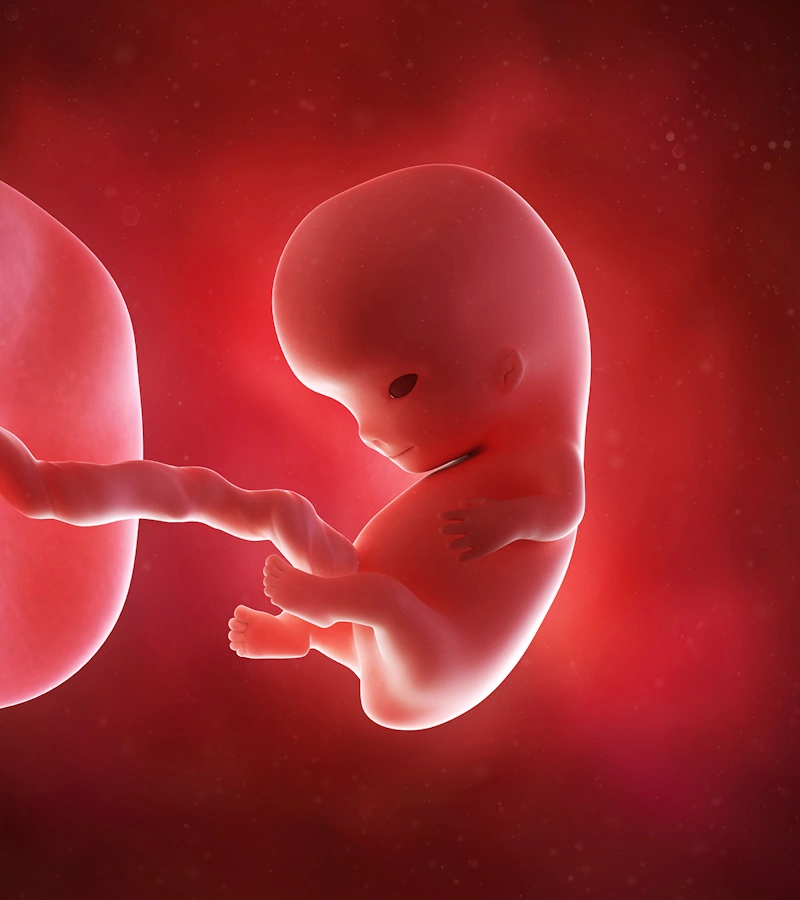
Your baby is about 2.5 cm long (about the size of a grape).
-
The head is large compared to the body, but soon proportions will balance.
-
Eyes, nose, mouth, and ears are forming — though eyelids remain closed.
-
Tiny arms and legs are visible, with fingers and toes starting to separate.
🧠 Internal Development
-
The nervous system continues to develop, allowing small reflexes and twitches.
-
The heart beats 160–170 times per minute, nearly double an adult’s rate.
-
Liver, spleen, and pancreas begin functioning, producing bile and insulin.
-
The placenta is forming and will soon take over nourishment duties from the yolk sac.
-
Lungs begin forming air passages that will later expand for breathing.
💬 Fun Fact
If you could see your baby via ultrasound this week, you might notice tiny arm movements — the very first signs of motion!
Changes in Your Body During Week 9
🤰 Hormonal Fluctuations
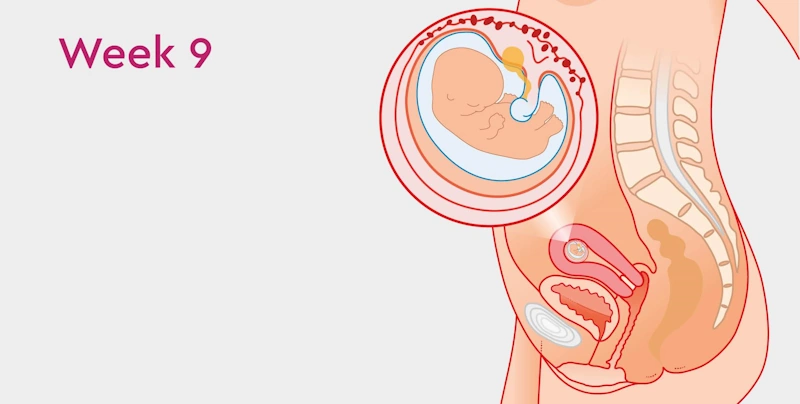
Hormones like progesterone, hCG, and estrogen are at their peak. These help sustain the pregnancy but also cause many early symptoms:
-
Morning sickness and nausea
-
Tender or swollen breasts
-
Mood swings and fatigue
-
Heightened sense of smell
💡 Tip: Eat small, frequent meals to stabilize your blood sugar and minimize nausea.
👃 Changes in Smell and Taste
Some women notice that scents and flavors seem stronger or even unbearable.
That favorite coffee? It might suddenly make you nauseous.
🩺 Doctors suggest avoiding strong smells and eating mild, easily digestible foods.
Fortunately, this heightened sensitivity usually fades after the first trimester.
🩸 Breast Tenderness
Your breasts may feel fuller and more sensitive due to increased estrogen and prolactin.
Wear comfortable, non-restrictive bras, and avoid tight clothing.
💨 Bloating and Gas
Progesterone slows digestion to help your baby absorb nutrients, but it can cause bloating and constipation.
-
Avoid carbonated drinks, beans, and cabbage.
-
Stay hydrated and eat fiber-rich foods like whole grains and vegetables.
⚖️ Weight Monitoring
At each doctor’s visit, your weight will be checked.
-
Gaining 0.5 to 1 kg by week 9 is normal.
-
Gaining too much or too little can increase risks of gestational diabetes or low birth weight.
Balance your meals and avoid “eating for two.”
Your First Prenatal Appointment
📅 When It Happens
The first prenatal checkup usually occurs between weeks 8 and 10.
🩺 What to Expect
-
Review of your medical and family history
-
Physical exam: blood pressure, weight, thyroid, breast, and pelvic checks
-
Pap smear and urine tests to rule out infections
-
Blood tests for blood type, Rh factor, hemoglobin, hepatitis, HIV, and syphilis
-
Estimated due date calculated from your last period or ultrasound
🧬 Genetic Screening
Your doctor may recommend early tests for conditions like:
-
Cystic Fibrosis (CF)
-
Sickle Cell Anemia
-
Tay-Sachs Disease
-
Chromosomal disorders (Down Syndrome, etc.)
These screenings are optional but help ensure early detection of genetic issues.
Nutrition and Exercise in Week 9
🍊 Vitamin C – The Essential Nutrient
Vitamin C is vital for:
-
Strengthening tissues and healing
-
Supporting immune health
-
Helping iron absorption
Eat citrus fruits, bell peppers, strawberries, spinach, and tomatoes daily.
Since it’s water-soluble, you need a daily intake — your body doesn’t store it.
🚶♀️ Safe Exercise: Start with Walking
If you’re new to exercise, walking is the perfect way to start:
-
Boosts circulation and energy
-
Reduces constipation and stress
-
Strengthens muscles for upcoming weight gain
Start with 10 minutes a day and gradually increase to 30 minutes, 5 days per week.
Avoid overexertion — if you can’t hold a conversation while walking, slow down.
🧘 Pelvic Tilt Exercise
As your belly grows, back pain might appear.
Pelvic tilts strengthen abdominal and lower back muscles.
How to do it:
-
Lie on your back with knees bent and feet flat.
-
Tighten your abdomen and tilt your pelvis upward.
-
Hold for 5 seconds and release.
Repeat 10 times daily.
(Stop after week 24, as lying flat may reduce blood flow.)
💧 Preventing Constipation
Constipation is common during pregnancy because of hormones and iron supplements.
To prevent it:
-
Drink 8–10 glasses of water daily.
-
Eat fiber-rich foods (whole grains, lentils, fruits).
-
Stay active.
-
Never skip prenatal vitamins but ask your doctor for low-iron alternatives if needed.
Common Questions in Week 9
❓ Can I use saunas or hot tubs?
Avoid them.
Raising your body temperature above 39°C (102°F) may increase the risk of neural tube defects in your baby.
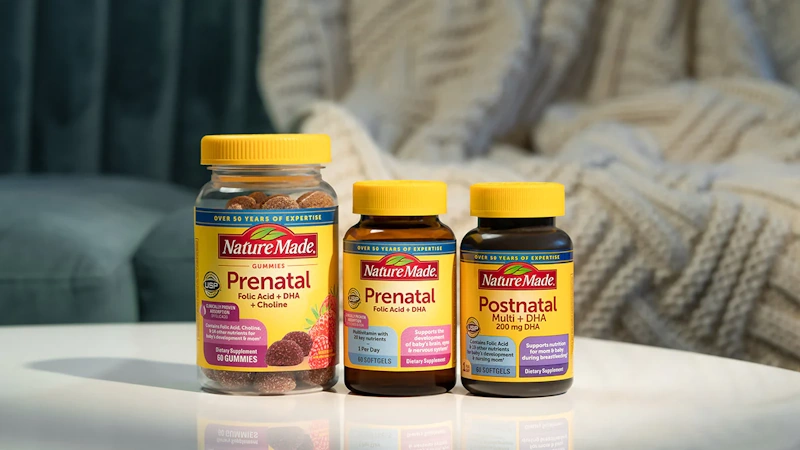
❓ Which prenatal vitamins should I take?
Choose prenatal vitamins that include:
-
Folic acid (400–800 mcg) – prevents neural tube defects
-
Iron (27 mg) – supports blood volume
-
Calcium and Vitamin D – strengthen bones and teeth
-
Optional: Omega-3 fatty acids (DHA) – support brain development
Ask your doctor before adding extra supplements.
❓ Is exercise safe at this stage?
Yes — gentle activity like walking, swimming, or prenatal yoga is encouraged.
Avoid contact sports, heavy lifting, and lying flat for long periods.
When to Call Your Doctor
Contact your healthcare provider immediately if you experience:
-
Heavy bleeding or severe cramps
-
Fever above 38°C
-
Dizziness or fainting
-
Persistent vomiting or dehydration
-
Painful urination or unusual discharge
Early response can prevent complications.
Conclusion
By week 9, you and your baby are both growing — in size, strength, and excitement.
Even though many changes may feel uncomfortable, every symptom is a sign of healthy development.
Nourish your body, rest when needed, and trust your doctor’s guidance.
You’re doing great, and your baby is thriving — one tiny heartbeat at a time. 💗



No comment