

Week 35 of pregnancy is one of the most sensitive and important stages of the third trimester. At this point, your baby is rapidly gaining weight and preparing for life outside the womb, while your body is undergoing noticeable physical and hormonal changes. Many pregnant women at week 35 have questions such as “How many months pregnant am I?”, “Is labor at 35 weeks dangerous?”, “What is the normal weight of the baby?”, and “Which symptoms are normal and which require medical attention?”
As the uterus grows larger, space inside the womb becomes more limited. Although your baby’s movements may feel different, they should remain regular and noticeable. At the same time, symptoms such as swelling of the legs, pelvic pressure, back pain, and fatigue become more common. Understanding what is normal at this stage helps reduce anxiety and allows you to recognize warning signs that require medical care.
In this article, we will comprehensively discuss week 35 of pregnancy, including fetal development, maternal symptoms, fetal weight, the safety of labor at this stage, nutrition, physical activity, and answers to frequently asked questions.
Week 35 of Pregnancy: How Many Months Is It?
Week 35 of pregnancy falls in the eighth month of pregnancy. A full-term pregnancy lasts approximately 40 weeks, with each month averaging four weeks. By week 35, you are approaching the final weeks of pregnancy, with about five weeks remaining until your due date.
At this stage, your baby is mostly focused on weight gain and final organ development, especially the lungs, in preparation for birth.
Fetal Development at Week 35 of Pregnancy
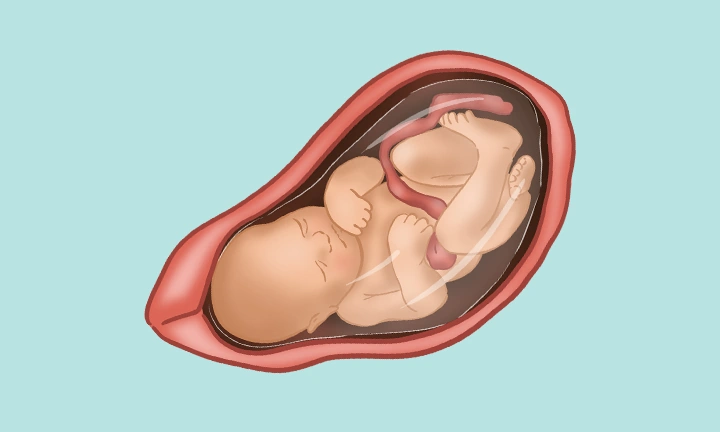
At 35 weeks pregnant, your baby is very close to full development. Most organs are well formed, and the primary focus now is growth and functional maturity.
Growth and Physical Changes
Your baby is gaining more body fat, which helps regulate body temperature after birth. Because of limited space in the uterus, movements may feel more like rolling or stretching rather than sharp kicks. However, movement frequency should remain consistent.
Babies at this stage often develop more regular sleep–wake cycles, with periods of increased activity during certain times of the day.
Fetal Weight and Length at Week 35
At week 35 of pregnancy:
-
Average fetal weight: over 2,250 grams (about 5 pounds)
-
Average length: approximately 45 centimeters (18 inches)
An increase in abdominal size does not necessarily mean the baby is too large. The growth of the placenta and increased amniotic fluid also contribute to a larger abdomen, making exact weight estimation difficult.
Fetal Movements at Week 35
Despite reduced space, your baby should still move daily. Periods of activity may last around 20 minutes or longer. A sudden decrease in movement or a significant change in movement pattern should always be evaluated by a healthcare provider.
Lung Development and Readiness for Birth
By week 35, the air sacs in your baby’s lungs are coated with surfactant, a substance that helps keep the lungs open after birth. Although lung function continues to improve until full term, most babies born at this stage are capable of breathing with minimal support.
Skull and Head Development
Your baby’s skull bones are not yet fully fused. Soft spots called fontanelles allow the head to compress slightly during birth. This flexibility is normal and essential for a safer vaginal delivery.
The Mother’s Body at Week 35 of Pregnancy
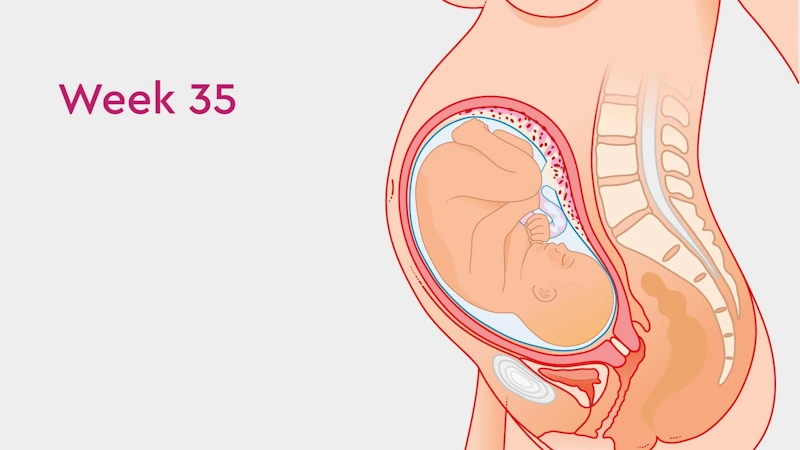
At week 35, your body is clearly preparing for labor. Many changes occur due to the growing uterus and hormonal shifts.
Pelvic Pressure and Abdominal Tightness
You may feel increased pressure in your pelvis, heaviness in your abdomen, and mentionable stretching of the skin. Shortness of breath is also common due to upward pressure on the diaphragm.
Back, Pelvic, and Abdominal Pain
Relaxation of pelvic ligaments and increased fetal weight can lead to:
-
Lower back pain
-
Pelvic discomfort
-
Sharp or pulling sensations in the lower abdomen
These symptoms are usually normal but uncomfortable. Rest, proper posture, and gentle activity can help relieve discomfort.
Fatigue and Shortness of Breath
Fatigue increases in late pregnancy due to higher energy demands and reduced sleep quality. Taking breaks, sleeping on your side (preferably the left), and avoiding overexertion can help.
Digestive Changes
Heartburn, bloating, and constipation may worsen due to pressure on the digestive system. Eating smaller meals and drinking enough fluids can ease these symptoms.
Warning Signs That Require Medical Attention
Contact your healthcare provider immediately if you experience:
-
Severe or persistent abdominal pain
-
Vaginal bleeding
-
Severe headache or visual disturbances
-
Noticeable decrease in fetal movements
Is Labor at Week 35 of Pregnancy Dangerous?
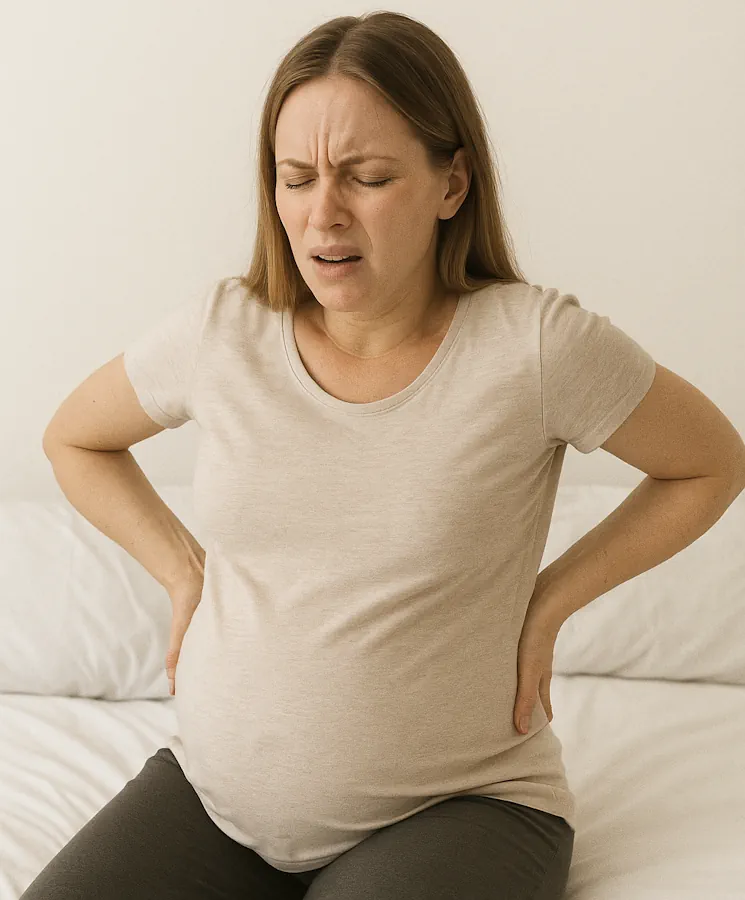
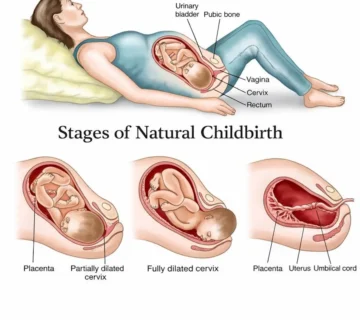
Labor at week 35 is considered late preterm labor. While babies born at this stage are not yet full-term, the outlook is generally good.
Is Week 35 Labor Safe?
In most cases, labor at 35 weeks is not dangerous, but it does carry some risks. Babies born at this stage usually have a high survival rate and may only require short-term medical support.
Possible Challenges for a 35-Week Baby
Some babies born at week 35 may experience:
-
Mild breathing difficulties
-
Temporary temperature regulation issues
-
Feeding challenges
-
Short stays in a neonatal care unit
Most of these issues are temporary and resolve with proper care.
Is a 35-Week Baby Considered Full Term?
No. Full-term pregnancy is defined as 37 to 40 weeks. However, babies born at 35 weeks often do very well with appropriate medical supervision.
When Is Labor at Week 35 Medically Necessary?
Doctors may recommend delivery at this stage if:
-
The mother has preeclampsia or severe hypertension
-
There are placental problems
-
Amniotic fluid levels are critically low
-
The baby shows signs of growth restriction
-
Continuing the pregnancy poses a greater risk than delivery
Nutrition at Week 35 of Pregnancy

At this stage, nutrition should support both maternal health and final fetal growth.
Key Nutrients
-
Protein: for fetal growth and tissue repair
-
Calcium and vitamin D: for bone development
-
Iron: to prevent anemia
-
Fiber: to reduce constipation
Meal Size and Frequency
Eating smaller, more frequent meals helps reduce heartburn and digestive discomfort.
Hydration
Adequate fluid intake helps prevent constipation, urinary infections, and excessive swelling. Salt intake should be moderated but not eliminated.
Foods to Limit
-
Fried and fatty foods
-
Excessively salty foods
-
Sugary and carbonated drinks
Exercise and Physical Activity at Week 35 of Pregnancy

If there is no medical restriction, light physical activity can be beneficial.
Recommended Activities
-
Gentle walking
-
Light stretching
-
Prenatal breathing and relaxation exercises
Activities to Avoid
-
High-impact or strenuous exercise
-
Activities requiring balance
-
Lying flat on your back for long periods
Safety Tips
-
Stay hydrated
-
Wear comfortable footwear
-
Stop immediately if you feel pain, dizziness, or contractions
Frequently Asked Questions About Week 35 of Pregnancy
How many months pregnant am I at week 35?
You are in the eighth month of pregnancy, with about five weeks remaining until your due date.
Is labor at week 35 dangerous?
Labor at week 35 is usually not dangerous, but babies may require short-term medical support due to mild prematurity.
What is the normal fetal weight at week 35?
The average fetal weight is over 2,250 grams, with a length of about 45 cm.
Is decreased fetal movement normal at week 35?
Movement patterns may change, but a noticeable decrease in movement is not normal and should be evaluated by a doctor.
Is exercise safe at week 35 of pregnancy?
Yes, light and doctor-approved activities are generally safe and beneficial





No comment