

At week 32 of pregnancy, your baby weighs about 1.7 to 1.9 kilograms (3.7–4.2 pounds) and has reached a stage where survival outside the womb is highly likely in case of preterm birth. The lungs are largely developed, the heartbeat has become more regular, and the baby is gradually moving head-down toward the mother’s pelvis. This shift can increase pelvic pressure, shortness of breath, and noticeable changes in fetal movement patterns.
If you want to know how many months 32 weeks is, how your baby is developing, what symptoms are normal, and what happens if labor starts at week 32, this complete guide is exactly for you.
Fetal Development at Week 32 of Pregnancy
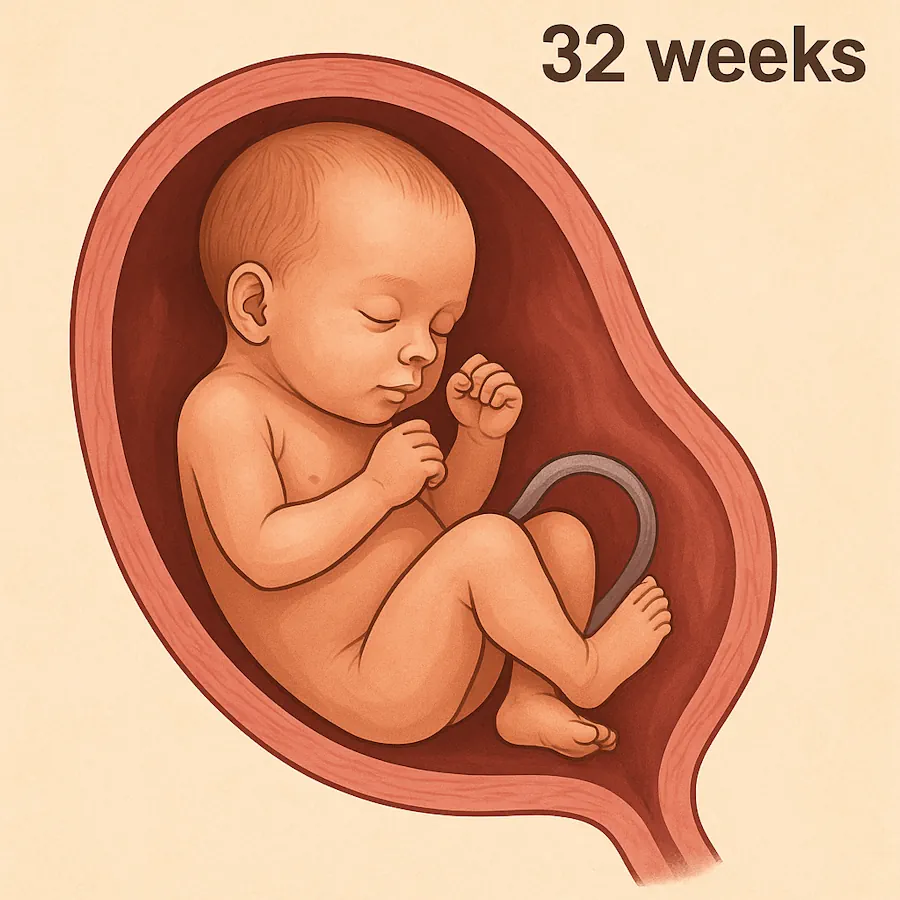
By the 32nd week of pregnancy, your baby’s sleep–wake cycles have become more organized. The fetus now spends about 65–70% of the day sleeping. Ultrasound studies show that babies at this stage enter REM (active sleep), which reflects advanced brain and nervous system development.
During waking periods, your baby can react to:
-
The mother’s voice
-
Heartbeat sounds
-
External sounds such as music
These reactions often appear as kicks, rolls, or changes in position.
Normal Baby Weight at 32 Weeks
The average fetal weight at week 32 ranges between 1.7 and 1.9 kg. This is considered completely normal. Slight deviations above or below this range are usually harmless unless there is a significant difference compared with standard growth charts.
Weight gain at this stage mainly results from:
-
Increased fat layers under the skin
-
Continued organ maturation
-
Energy storage in the baby’s body
Baby Length at 32 Weeks of Pregnancy
The average fetal length at week 32 is about 42 to 43 cm (16.5–17 inches). At this point, your baby looks very similar to a full-term newborn—just smaller and leaner.
Normal Fetal Movements at Week 32
Fetal movements at this stage become:
-
Stronger
-
More coordinated
-
Occasionally uncomfortable for the mother
Kicking, rolling, and stretching help strengthen muscles and prepare the baby for birth.
A sudden decrease in fetal movement is a warning sign and should always be taken seriously.
Is a 32-Week Baby Considered Full-Term?
No. A baby born at 32 weeks is still considered premature. However:
-
The lungs are well developed
-
The nervous system is highly active
-
The survival rate is over 95% with proper neonatal care
Most babies born at this stage require short-term care in the NICU, but the long-term prognosis is usually excellent.
What Happens If a Baby Is Born at 32 Weeks?
If preterm birth occurs at 32 weeks of pregnancy:
-
The baby will survive in most cases
-
Temporary breathing support may be needed
-
Feeding may initially occur through a tube
-
A few weeks of NICU hospitalization is common
With modern neonatal care, most 32-week babies grow up completely healthy.
Effect of Maternal Stress on Fetal Heart Rate at Week 32
At week 32, the fetal heart rate becomes more stable. However, studies show that:
-
Maternal stress, anxiety, fear, and emotional tension
can directly increase the baby’s heart rate.
For this reason, the mother’s well-being is extremely important. Adequate sleep, mental relaxation, emotional support, and stress management all play a key role in fetal health.
Is There Any Difference Between a 32-Week Baby Boy and Girl?
From a medical perspective, there is no significant difference between boys and girls at 32 weeks in terms of:
-
Lung development
-
Weight
-
Length
-
Movement patterns
-
Organ maturation
Minor differences are usually genetic rather than related to gender.
The Mother’s Body at Week 32 of Pregnancy

At this stage, the uterus places maximum pressure on the diaphragm and internal organs. Many women experience:
-
Shortness of breath
-
Abdominal heaviness
-
Pelvic pain
-
Heartburn
-
General fatigue
These symptoms are normal, but some warning signs require urgent medical attention.
How Many Months Pregnant Is 32 Weeks?
Week 32 marks the end of month 7 and the beginning of month 8 of pregnancy.
You are now fully in the third trimester, the most crucial phase for final fetal development.
Normal Maternal Symptoms at Week 32
Common symptoms include:
-
Back and pelvic pain
-
Frequent urination
-
Swelling of the feet and ankles
-
Shortness of breath
-
Braxton Hicks contractions
-
Insomnia
-
Increased vaginal discharge
If mild, all of these are considered normal.
Danger Signs at 32 Weeks of Pregnancy (Seek Medical Help Immediately)
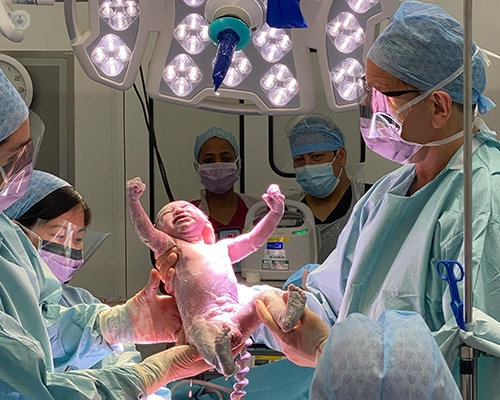
Contact your doctor or visit the emergency department if you experience:
-
Vaginal bleeding
-
Leakage of amniotic fluid
-
Significant decrease in fetal movement
-
Severe abdominal pain
-
Intense headache or blurred vision
-
Sudden swelling of the face or hands
Is Labor at 32 Weeks Dangerous?
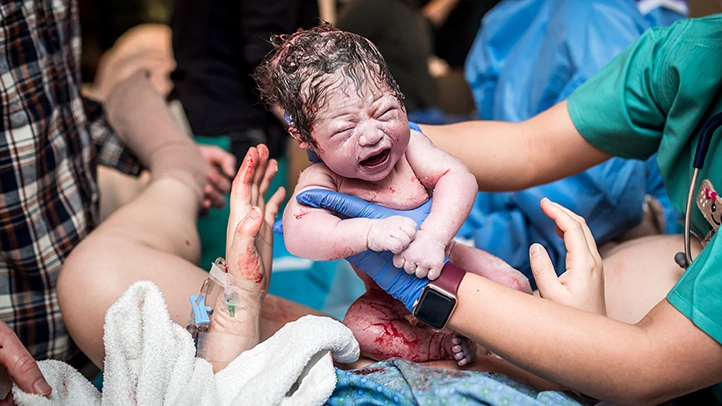
Labor at 32 weeks is classified as preterm labor, but:
-
The survival rate exceeds 95%
-
The baby usually needs NICU care
-
Long-term outcomes are typically excellent
Emergency Cesarean at 32 Weeks – When Is It Needed?
Emergency C-section may be required in cases of:
-
Severe fetal heart rate deceleration
-
Placental abruption
-
Placenta previa
-
Heavy vaginal bleeding
-
Abnormal fetal position (breech or transverse)
In these situations, cesarean delivery is often the safest option for both mother and baby.
Twin Pregnancy at 32 Weeks
In twin pregnancies:
-
The risk of preterm labor is significantly higher
-
Many twins are born before week 36
-
Delivery usually takes place in specialized hospitals
Baby’s Head Dropping at 32 Weeks
In many women:
-
The baby’s head moves down into the pelvis
-
Pressure on the bladder increases
-
Breathing may become slightly easier
This is a sign that the body is gradually preparing for labor.
Nutrition and Exercise at Week 32 of Pregnancy
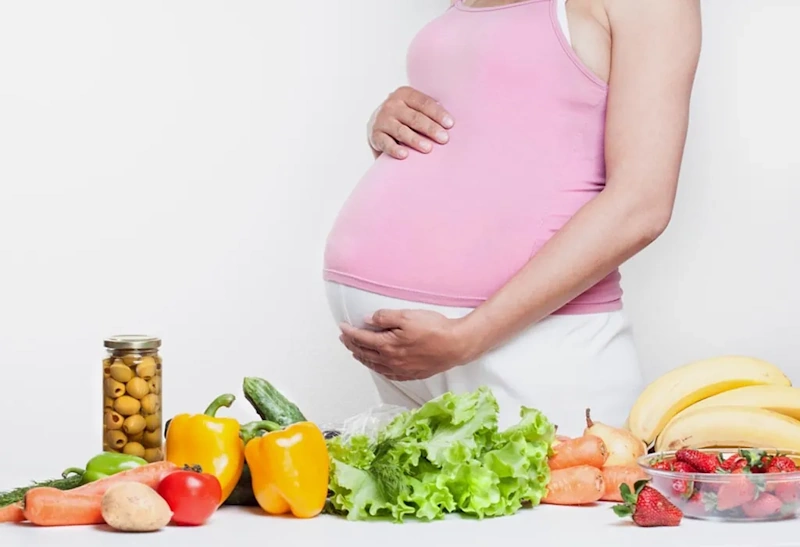
At week 32, proper nutrition and safe physical activity support:
-
Final bone development of the baby
-
Reduced muscle pain in the mother
-
Healthy weight control
-
Better preparation for labor
The focus should be on calcium, protein, iron, vitamin D, and gentle movement.
Maternal Nutrition at Week 32
Your body is intensely supplying nutrients for:
-
Fetal bone development
-
Brain growth
-
Calcium storage
Key nutrients include:
-
Calcium
-
Protein
-
Iron
-
Vitamin D
-
Magnesium
How Much Calcium Do You Need at 32 Weeks?
The recommended daily intake is:
1,000–1,200 mg of calcium per day
Calcium deficiency can lead to:
-
Weak maternal bones
-
Leg cramps
-
Reduced fetal calcium stores
Best Sources of Calcium at Week 32
If drinking milk is difficult, you can use:
-
Low-fat cheese with meals
-
Plain yogurt as salad dressing
-
Skim milk powder mixed into drinks
-
Broccoli, spinach, and kale
-
Hot chocolate made with low-fat milk
-
Milk added to soups
-
Calcium-fortified orange juice
-
Soy milk and soy products
Foods to Avoid at 32 Weeks of Pregnancy
Avoid the following:
-
Unpasteurized dairy
-
Raw or undercooked eggs and meat
-
High-mercury fish (shark, swordfish)
-
Fatty fast foods
-
Energy drinks and excessive caffeine
Is Exercise Safe at 32 Weeks?

Yes—if:
-
The pregnancy is low-risk
-
Your doctor has not restricted activity
-
Movements are gentle and controlled
Exercise helps:
-
Reduce back pain
-
Improve circulation
-
Decrease leg swelling
-
Prepare muscles for labor
Exercises to Avoid at Week 32
Avoid:
-
Jumping
-
High-intensity running
-
Heavy abdominal workouts
-
High-risk balance exercises
-
Inverted positions
Safe Stretching Exercises for the Legs at 32 Weeks
Ankle Circles
Stand or sit, lift one foot slightly, rotate the ankle 8–10 times clockwise, then 8–10 times counterclockwise. Repeat on the other foot.
Front Thigh Stretch
Stand by a wall for balance, bend one knee, hold the ankle, and gently pull the heel toward your hips for 10–20 seconds.
Seated Hamstring Stretch
Sit with one leg extended, bend the other, pull the bent knee toward your chest and hold for 10–20 seconds.
Inner Thigh Stretch
Stand with feet shoulder-width apart, bend one knee slightly, hold for 10–15 seconds, and switch sides.
Frequently Asked Questions (FAQ) – Week 32 of Pregnancy
Is my baby’s growth normal at 32 weeks?
Doctors assess growth by measuring the uterine fundal height, fetal heartbeat, and movement. If these match gestational age, growth is considered normal.
If my uterus measures small at 32 weeks, is there a problem?
Not necessarily. Factors include maternal body size, fetal position, or the baby’s head settling into the pelvis.
What is IUGR at 32 weeks?
IUGR means intrauterine growth restriction, where the baby is smaller than expected for gestational age.
What tests are done if IUGR is suspected?
Ultrasound measurements of head size, abdominal circumference, femur length, estimated fetal weight, amniotic fluid, and blood flow are performed.
Is a small baby always unhealthy?
No. Some babies are genetically small but healthy. True growth restriction requires medical monitoring.
Is a 32-week baby viable?
Yes. Survival exceeds 95% with modern NICU care.
What are the dangers of labor at 32 weeks?
Temporary breathing issues, feeding challenges, and short NICU stays are possible—but permanent complications are uncommon.
What if fetal movements decrease at 32 weeks?
If you feel fewer than 10 movements within 2 hours, seek immediate medical care.





No comment