
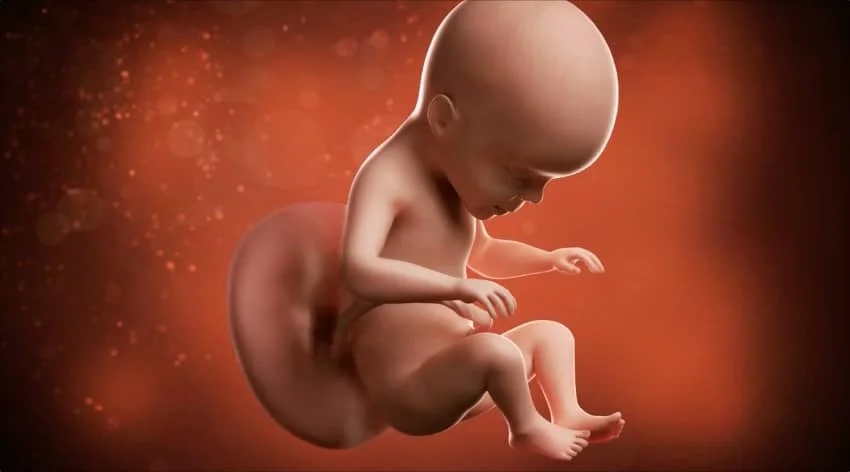
At 26 weeks of pregnancy, your baby is more responsive to the outside world than ever before. They can suck, hear, see light through the womb, and even respond to gentle pressure on your abdomen. In boys, the testes are now fully descended. Although the lungs are not fully mature yet, they are rapidly developing in preparation for breathing after birth.
⭐ Fetal Development in Week 26 of Pregnancy
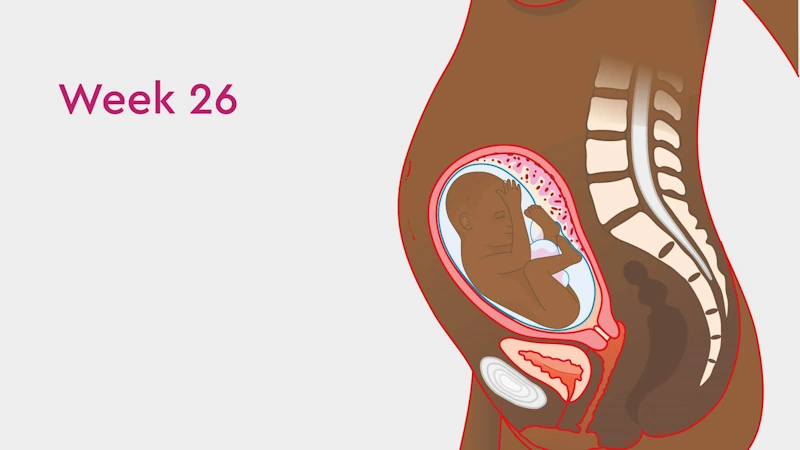
Stronger Movements and Growth
Your baby now measures around 35–36 cm long and weighs close to 900 grams. Because of this growth, their kicks and rolls feel much stronger—sometimes strong enough to make you say “ouch.”
At this stage, your partner may easily feel the baby’s movements by placing a hand on your belly. Occasionally, placing an ear close to your abdomen may even allow them to hear the rhythmic beat of the baby’s heart.
Most babies in this week position their head upward, since the pear-shaped uterus gives more room for their legs to stretch at the top.
Rapid Physical and Neurological Development
By week 26:
-
Your baby has reached 25% of their expected birth weight.
-
Their spine is becoming stronger.
-
If born today, the baby would have around 80% chance of survival with neonatal intensive care.
-
They can practice inhaling and exhaling movements, and may even attempt primitive crying motions.
The fine, soft hair called lanugo that covered the baby’s body begins to fall off and will mostly disappear by the end of the seventh month, except on areas like the back and shoulders.
Their eyes become more sensitive to light, and if you shine a gentle light near your belly, they may react to it.
⭐ Changes in the Mother’s Body at Week 26
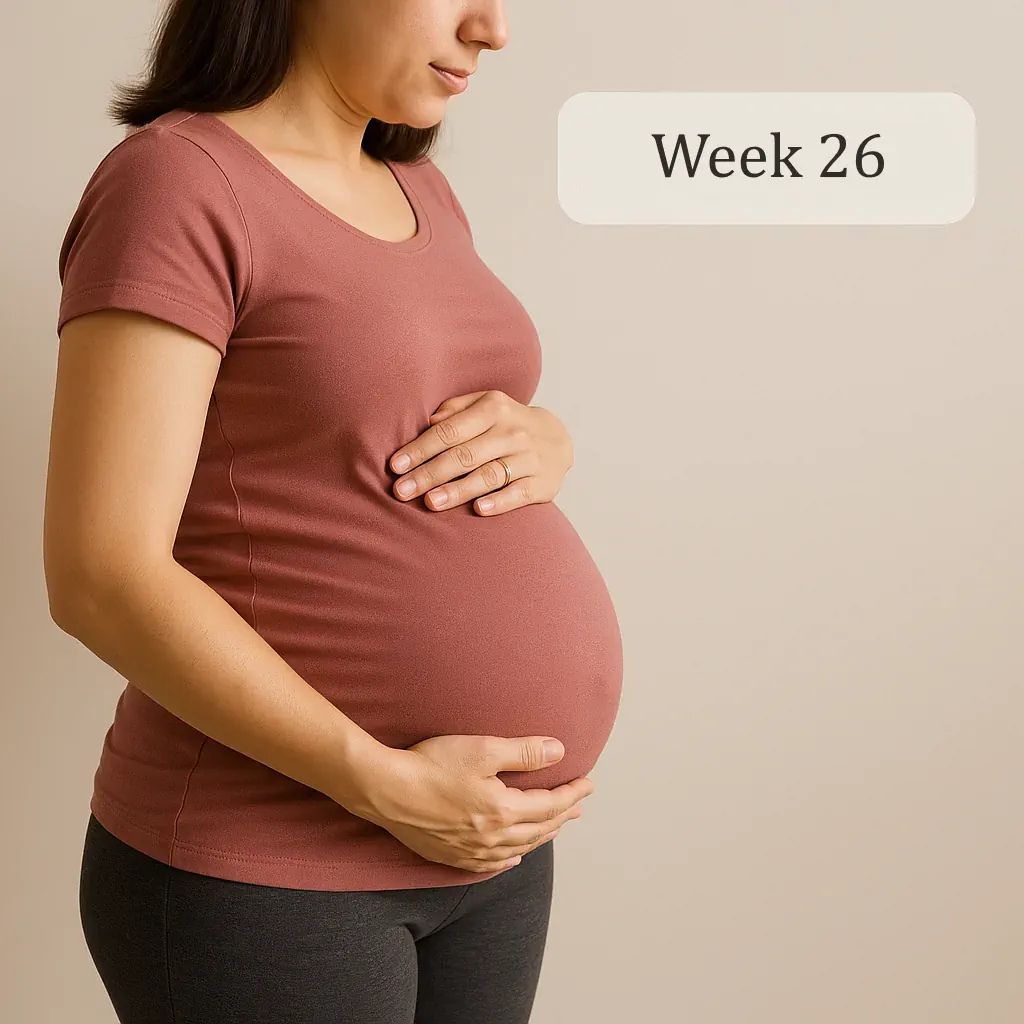
1. Abdominal Growth and Weight Gain
Your belly becomes more rounded and prominent.
By this time, most women have gained 6–8 kg, depending on pre-pregnancy BMI.
Skin stretching can cause itchiness, and the linea nigra (dark line on the abdomen) may become more visible.
2. Increased Baby Movements
You’ll feel more frequent and stronger kicks, often in the upper abdomen. A noticeable decrease in movement should be evaluated.
3. Mild Shortness of Breath
The enlarging uterus pushes the diaphragm upward, causing difficulty breathing during physical activity or when lying down.
4. Swelling of Feet and Ankles
Mild swelling is common, especially at the end of the day. Sudden severe swelling can indicate preeclampsia and requires medical evaluation.
5. Back and Pelvic Pain
Weight gain, posture changes, and ligament relaxation can cause backaches. Light stretching, rest, and maternity support belts can help.
6. Heartburn and Reflux
Hormonal changes and upward pressure on the stomach can lead to heartburn. Eating small meals and avoiding greasy foods can reduce symptoms.
7. Increased Vaginal Discharge
Normal discharge is white, odorless, and thin.
Green, yellow, clumpy, or foul-smelling discharge indicates infection and needs treatment.
8. Leg Cramps and Muscle Spasms
Common at night. Could relate to low magnesium levels, dehydration, or circulation issues.
9. Skin Changes
Stretch marks may appear, and skin pigmentation may increase. Regular moisturizing helps with dryness and itching.
10. Sleep Difficulties
Discomfort, frequent urination, heartburn, and fetal movements can disrupt sleep. Sleeping on the left side is the best position for circulation.
⭐ Nutrition in Week 26 of Pregnancy
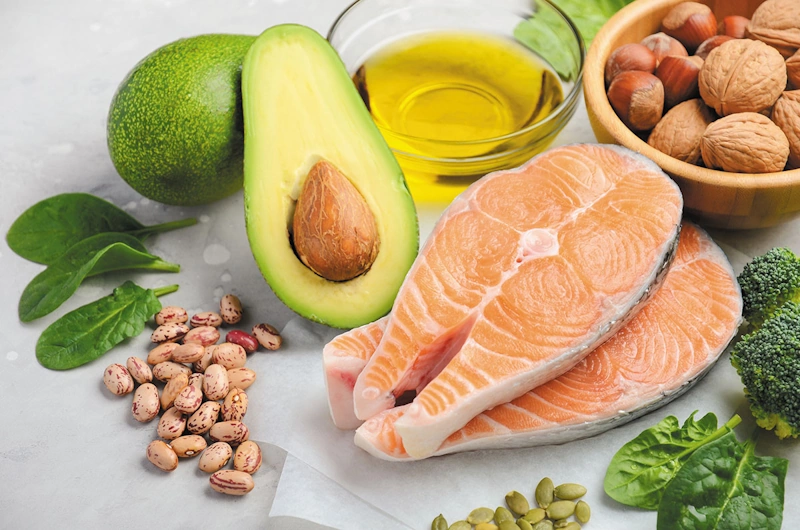
Why Healthy Fats Matter
Despite common belief, not all fats are harmful. Healthy fats are essential for:
-
Fetal brain and nerve development
-
Absorption of vitamins A, D, E, and K
-
Energy production
-
Hormonal balance
Eliminating fats from the diet is not recommended.
🔹 Healthy Fats
Unsaturated fats increase good cholesterol (HDL) and are essential during pregnancy.
Sources:
-
Avocado
-
Olive oil, canola oil
-
Nuts (almonds, walnuts, pistachios)
-
Seeds (flaxseed, chia)
-
Fatty fish (salmon, trout)
🔹 Unhealthy Fats
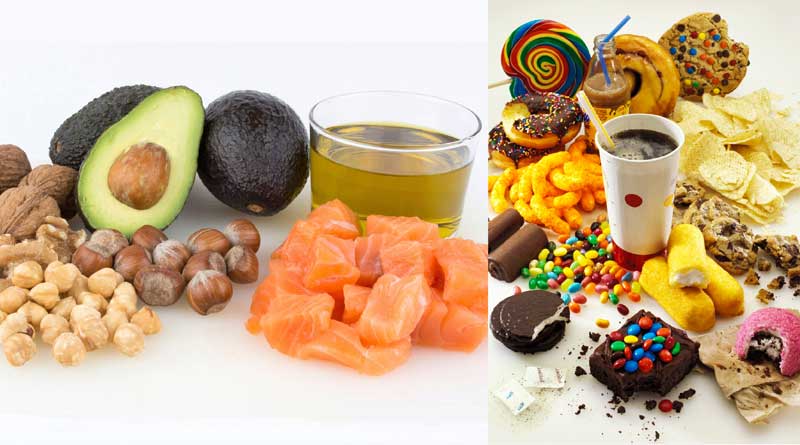
Saturated fats and excess cholesterol can raise LDL levels and harm cardiovascular health.
Sources:
-
Fatty meats
-
Poultry skin
-
Butter, cream
-
Full-fat dairy products
-
Excessive egg yolks
-
Processed meats
🔹 Trans Fats (Very Harmful)
These should be nearly eliminated during pregnancy.
Found in:
-
Fried foods
-
Fast food
-
Industrial baked goods (cakes, cookies)
-
Chips and snacks
-
Margarine
-
Packaged ready-made foods
Check labels for terms like hydrogenated or partially hydrogenated oils.
⭐ Eat the Rainbow
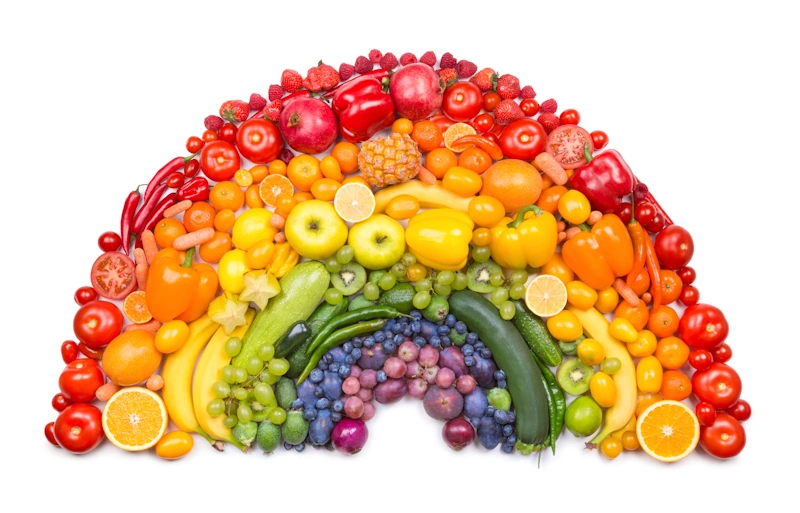
Colorful fruits and vegetables supply antioxidants, vitamins, and nutrients crucial for immunity, heart health, and fetal development.
| Color | Foods | Benefits |
|---|---|---|
| Bright Orange | Carrots, pumpkin, sweet potatoes | Vitamin A, beta-carotene |
| Yellow/Orange | Citrus fruits, corn, bananas, cantaloupe | Vitamin B6, lutein, immune support |
| Red | Red peppers, strawberries, tomatoes | Fiber, vitamin K, antioxidants |
| Light Green | Lettuce, cabbage, green beans, asparagus | Fiber, vitamin K |
| Dark Green | Spinach, broccoli, leafy greens | folate, vitamin K, antioxidants |
| Purple/Blue | Grapes, blueberries, raspberries | Vitamin C, strong antioxidants |
⭐ Exercise in Week 26 of Pregnancy
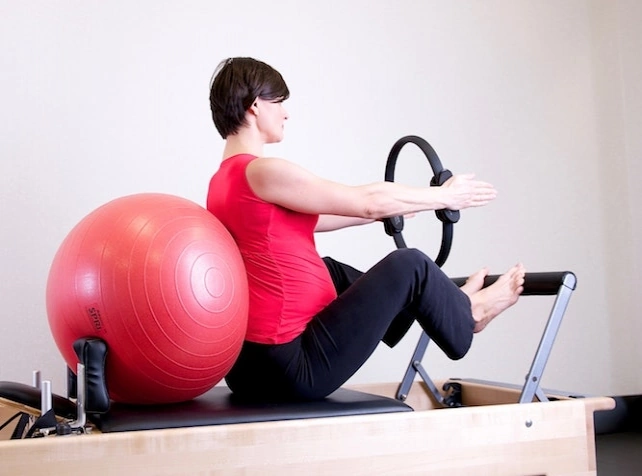
Exercising at this stage is safe and highly beneficial when done correctly. Of course, if your gynecologist has not forbidden you from exercising.
Benefits
-
Reduces back and pelvic pain
-
Improves circulation and reduces swelling
-
Helps prevent constipation
-
Lowers risk of gestational diabetes
-
Improves sleep and energy
-
Strengthens muscles for labor
Recommended Exercises
1. Walking
Safe, accessible, and excellent for cardiovascular health.
2. Prenatal Yoga
Improves flexibility, reduces stress, and strengthens pelvic muscles.
3. Swimming
Reduces joint pressure and relieves back pain.
4. Stretching and Breathing Exercises
Helps reduce muscle tension and improves sleep.
5. Pelvic Floor Exercises (Kegels)
Strengthens muscles for labor and reduces risk of urinary incontinence.
Exercises to Avoid
-
High-impact workouts
-
Jumping or running intensely
-
Heavy lifting
-
Abdominal crunches
-
Activities with fall risk
-
Hot yoga or saunas
⭐ Frequently Asked Questions (FAQ)
❓ Why do I kick my partner in my sleep?
This is commonly caused by Restless Legs Syndrome (RLS), not emotional stress or unconscious aggression.
RLS is triggered by uncomfortable sensations in the legs that worsen at night and improve with movement.
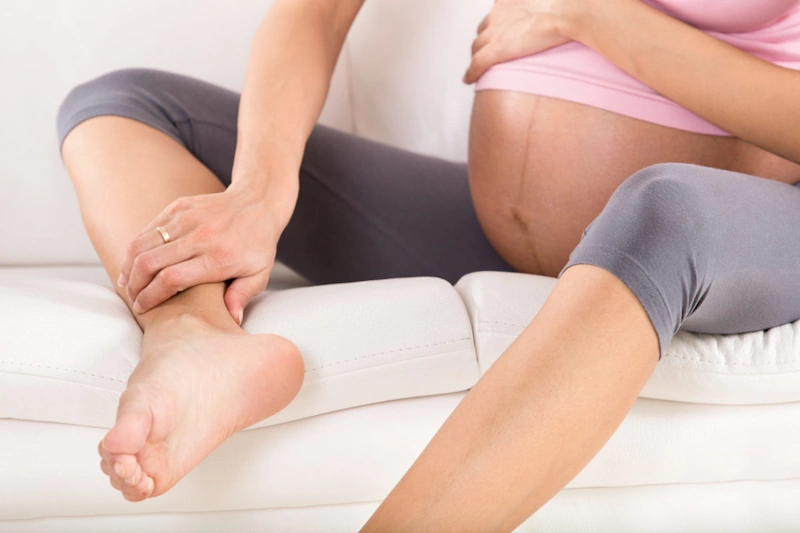
Causes or aggravating factors:
-
Hormonal changes
-
Iron deficiency anemia
-
Low magnesium levels
-
Stress
-
Poor sleep
Symptoms:
-
Tingling, burning, crawling sensation
-
Strong urge to move legs
-
Twitching or kicking during sleep
-
Worse at night, better with movement
Management:
-
Correcting iron deficiency if present
-
Gentle walking before sleep
-
Warm bath or leg massage
-
Stretching
-
Stress reduction
Most RLS symptoms disappear shortly after childbirth.
❓ Should the baby move a lot in week 26?
Yes. Movements should be regular and strong.
A significant reduction in movement requires medical evaluation.
❓ Why do my legs cramp at night?
Likely due to low magnesium/calcium, dehydration, or circulation issues.
❓ Is shortness of breath normal?
Mild shortness of breath is common because the uterus pushes against the diaphragm.
❓ Is lower abdominal pain normal?
Mild stretching pain is usually caused by round ligament pain, but sharp, persistent, or regular pain should be evaluated.
⭐ Conclusion
Week 26 of pregnancy is a key stage of rapid fetal development and noticeable maternal changes. With proper nutrition, safe exercise, and awareness of common symptoms, most mothers can navigate this stage comfortably and confidently.


No comment