

When we talk about pregnancy, many people assume it begins from the day of fertilization. However, doctors calculate pregnancy age starting from the first day of the last menstrual period (LMP). Therefore, the first week of pregnancy and second weeks of pregnancy are technically a preparation phase, as the body gets ready for conception, even though fertilization has not yet occurred. In week 2 of pregnancy, the ovaries are preparing to release an egg, and the uterus is thickening its lining to create a suitable environment for implantation if fertilization occurs. While there may not be obvious signs of pregnancy yet, hormonal and physiological changes are already underway.
This week is particularly important because:
- It is the ovulation period.
- It is the best time to have intercourse to increase the chances of conception.
- Maternal lifestyle and nutrition can significantly influence egg quality and the probability of conception.
What Does Week 2 of Pregnancy Mean?
Many women are confused about calculating pregnancy weeks. Pregnancy is counted from the first day of the last menstrual period, not the day of fertilization or a positive pregnancy test.
Calculating Pregnancy Weeks
- A typical menstrual cycle is around 28 days.
- Ovulation usually occurs between days 12 and 16 of the cycle.
- If fertilization happens, pregnancy officially begins, but medically, you are still in week 2 or 3.
Maternal Body Status in Week 2
- Ovaries prepare to release a mature egg.
- Estrogen and progesterone levels rise to prepare the uterus for a potential pregnancy.
- Endometrium (uterine lining) thickens to allow implantation of a fertilized egg.
Body Changes in Week 2 of Pregnancy
Week 2 is a critical preparation stage:

Hormonal Changes
- Estrogen increases to promote follicle growth in the ovary.
- Luteinizing Hormone (LH) peaks, triggering ovulation.
- Progesterone rises, preparing the uterine lining for implantation.
Uterus Preparation for Implantation
- Endometrium thickens.
- Blood flow increases to nourish a potential embryo.
Physical Signs of Ovulation
- Clear, stretchy cervical mucus
- Breast tenderness or fullness
- Mild lower abdominal pain (mittelschmerz)
- Slight rise in basal body temperature
Emotional and Mental Changes
- Increased energy and vitality
- Increased libido
- Mild mood swings
Signs of Week 2 of Pregnancy
Even though no embryo exists yet, women may notice:
Physical Signs
- Clear, stretchy vaginal discharge
- Slight abdominal cramps on one side
- Breast sensitivity
- Small increase in basal body temperature
- Increased energy
Emotional Signs
- Higher sexual desire
- Mood fluctuations
- Changes in focus and emotional state
Additional Possible Signs
- Heightened sense of smell
- Bloating or mild abdominal fullness
- Cravings or changes in appetite
Where is the Embryo in Week 2 of pregnancy?
In most cases, the embryo has not formed yet. This is a preparation phase for fertilization:
Ovulation
- Ovaries release a mature egg.
- Egg enters the fallopian tube and awaits sperm.
- Egg’s lifespan: 12–24 hours.
Sperm Movement
- Millions of sperm travel through the uterus to the fallopian tube.
- Only one sperm typically fertilizes the egg.
Formation of Zygote (If Fertilized)
- Fertilization creates a zygote, which starts dividing as it moves toward the uterus.
- Implantation occurs in week 3.
If Fertilization Does Not Occur
- The egg degenerates after 24 hours.
- The cycle continues with the next menstruation.
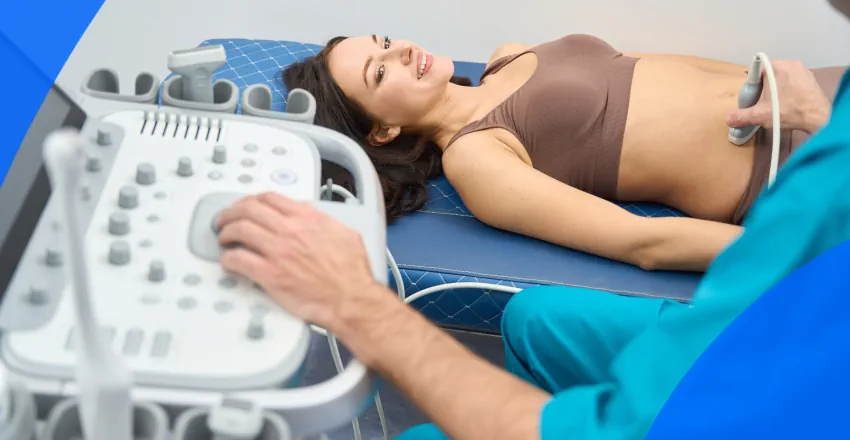
Ultrasound in Week 2 of pregnancy
Ultrasound in week 2 is not used to visualize the embryo, since it has not formed yet:
Is It Necessary?
- Not required for most women.
- Useful for women with irregular cycles or fertility treatments.
What Can Be Seen?
- Ovarian follicles development
- Endometrial thickness (8–12 mm recommended)
- Estimation of ovulation timing
Who May Need an Ultrasound?
- Women with irregular cycles
- Those undergoing IVF or IUI
- Women with a history of miscarriage or fertility problems
Limitations
- Embryo is not visible
- Even if fertilization occurs, hCG levels are too low to detect
Proper Nutrition in Week 2 of pregnancy
Nutrition plays a crucial role in egg quality, ovary health, and uterine preparation:

Recommended Foods
- Folic acid-rich foods: lentils, spinach, broccoli, citrus fruits
- High-quality proteins: lean meat, eggs, fish (low mercury), legumes
- Whole grains: brown rice, whole-wheat bread, oats
- Fresh fruits and vegetables: rich in antioxidants
- Healthy fats: olive oil, avocado, nuts, chia seeds
Supplements
- Folic acid (400–800 µg/day)
- Vitamin D
- Iron
- Omega-3 (DHA/EPA)
Foods to Avoid
- Alcohol
- Cigarettes
- Excessive caffeine
- Processed and fast foods
- High-mercury fish
Nutrition Tips
- Drink at least 8 glasses of water daily
- Eat small, regular meals
- Increase leafy greens intake
Important Care in Week 2 of pregnancy
Healthy Lifestyle
- 7–8 hours of sleep
- Light, regular exercise
- Maintaining healthy weight
Avoid Harmful Factors
- Cigarettes and alcohol
- Over-the-counter drugs without consultation
- Contact with harsh chemicals
Stress Management
- Meditation, deep breathing, relaxing activities
Sexual Hygiene
- Regular, safe intercourse
- Avoid certain lubricants that reduce sperm mobility
Medical Consultation
- For women with fertility issues, chronic diseases, or previous miscarriage
Sexual Intercourse in Week 2 of pregnancy
Timing
- Best period: 2–3 days before ovulation to 1 day after
- Sperm survives up to 5 days, egg 12–24 hours
How to Detect Ovulation
- Cervical mucus: clear and stretchy
- Ovulation tests (LH kits)
- Basal body temperature rise
Tips
- Intercourse every 2 days around ovulation
- Use fertility-friendly lubricants if needed
- Maintain a relaxed environment
Post-intercourse Tips
- Lying down for 10–15 minutes may help sperm reach the egg
Pregnancy Test in Week 2
- Not reliable in week 2
- hCG levels are too low for detection
- Best time: 2 weeks after ovulation or after missed period
- Blood test (β-hCG) is more sensitive
- Retest if negative but menstruation is late
Expert Recommendations in Week 2 of pregnancy
- Track menstrual cycle and ovulation
- Consume folic acid and necessary vitamins
- Avoid harmful substances
- Exercise lightly and manage stress
- Consult doctor for fertility issues or chronic conditions
- Support from partner and family improves outcomes
Conclusion for Week 2 of pregnancy
Week 2 of pregnancy is a crucial preparation phase. While no embryo exists yet, the body is fully ready for fertilization: the ovaries release an egg, the uterus thickens, and hormones create ideal conditions for implantation.
Paying attention to physical and emotional signs, following a healthy diet, avoiding harmful substances, managing stress, and consulting with specialists can maximize the chance of a successful pregnancy and a healthy embryo.


No comment