
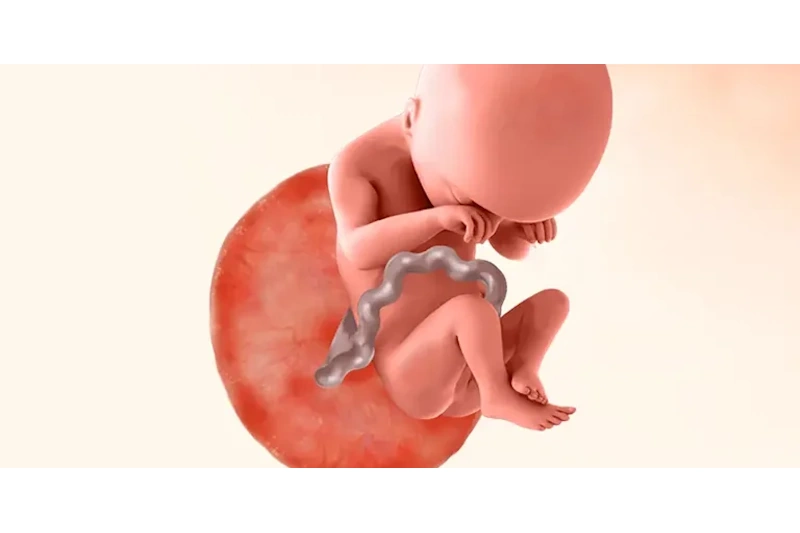
At week 19 of pregnancy, both your body and your baby are growing rapidly.
Your baby’s delicate skin is now covered with a creamy, protective layer called vernix caseosa, which prevents the skin from wrinkling in the amniotic fluid.
Inside the tiny lungs, the bronchioles (small airways) begin to form, preparing your baby for life outside the womb.
You may start to feel gentle flutters or movements for the first time — an unforgettable moment!
If not yet, don’t worry; every pregnancy is unique, and you will soon experience it.
Baby’s Development at week 19 of pregnancy
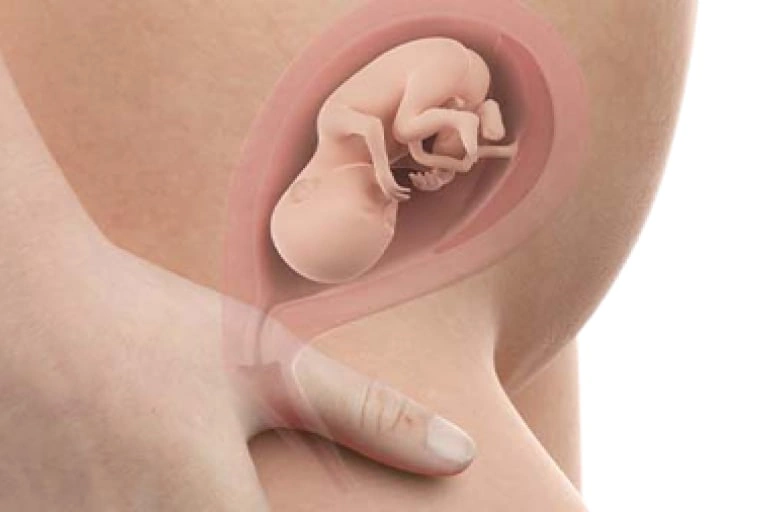
🟣 Size and Growth
At week 19, your baby measures about 20 centimeters (8 inches) long and weighs around 190–200 grams (7 ounces) — roughly the size of a banana 🍌.
The eyes and ears are now in their correct positions, and if you have an ultrasound, you may recognize familiar facial features such as the nose or chin.
🟣 Nervous System and Movements
Your baby’s body is producing myelin, a fatty substance that coats nerve fibers.
This protective layer allows electrical signals to travel efficiently throughout the body.
By now, the nervous system is almost as complex as an adult’s, and your baby can stretch, curl, and even suck their thumb!
🟣 Skin and Appearance
Because body fat is still forming, your baby’s skin looks thin and slightly wrinkled.
The vernix caseosa, a white, waxy substance produced by the sebaceous glands, protects this sensitive skin from irritation.
If your baby is born prematurely, this coating is usually still visible — giving a “creamy” look at birth.
🟣 Gender Development
By this week, most parents can find out whether they’re having a boy or girl through ultrasound.
If it’s a girl, the ovaries are forming and beginning to produce eggs;
if it’s a boy, the testicles are starting to move downward.
Ultrasound accuracy is high at this stage, though the baby’s position may occasionally hide the view.
Changes in the Mother’s Body at week 19 of pregnancy
🟣 Vaginal Discharge
A clear or whitish, odorless discharge is normal in week 19 and helps maintain vaginal balance.
However, if you notice watery, colored, or foul-smelling discharge, contact your obstetrician — it could indicate an infection or early rupture of membranes.
🚫 Avoid vaginal douching during pregnancy.
It disrupts the natural bacterial balance and increases infection risk.
Wash only the outer area with warm water or mild feminine cleanser.
🟣 Dizziness and Light-Headedness
Feeling light-headed when standing up quickly is common.
This happens because of blood-pressure changes and low blood sugar.
To prevent dizziness:
-
Avoid sudden movements.
-
Stand up slowly, supporting yourself with your hands.
-
Eat small, frequent meals to maintain blood sugar.
-
Drink enough water to stay hydrated.
If dizziness comes with blurred vision or severe headache, consult your doctor.
🟣 Warning Signs to Watch For
Most symptoms are normal, but contact your healthcare provider immediately if you experience:
-
Heavy vaginal bleeding or persistent spotting
-
Constant watery discharge
-
Strong abdominal pain or more than six contractions per hour
-
Severe vomiting, dehydration, or inability to eat
-
Intense headache, vision problems, or swelling of hands and face
Early attention can prevent pregnancy complications.
Caring for Yourself: Clothing, Underwear, and Shoes
🟣 Maternity Clothes
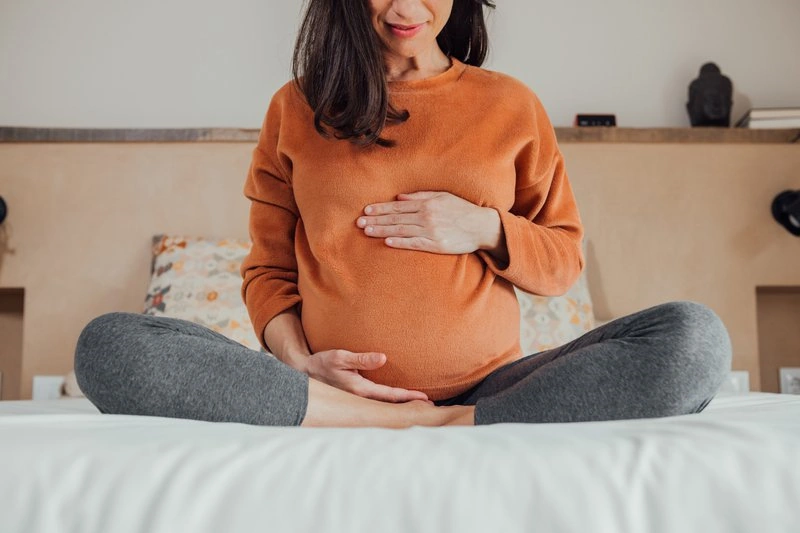
As your belly grows, comfort becomes a priority.
Modern maternity wear is stylish and practical — from soft leggings to adjustable jeans and flowy tops.
Some mothers love the look of maternity clothes as a reminder of motherhood,
while others find it emotionally challenging — both feelings are completely normal.
🟣 Underwear
Your breasts are fuller and more sensitive now.
Choose a well-supportive bra in a larger size or a maternity/nursing bra for better comfort.
Avoid tight or wired bras, and prefer breathable cotton fabrics.
🟣 Footwear
Your feet may swell slightly due to increased blood volume and fluid retention.
Opt for comfortable, cushioned shoes with low heels and good arch support.
If your usual shoes feel tight, size up by half or one full size.
For walking, use proper walking shoes (not running shoes) to prevent knee and ankle pain.
Diet and Exercise at week 19 of pregnancy
🟣 Eating Healthy on the Go
Traveling or eating out doesn’t mean you have to give up healthy habits.
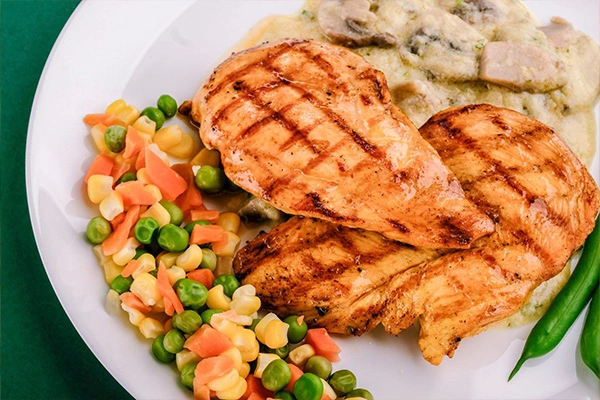
At restaurants, look for lighter options such as:
-
Grilled chicken sandwiches with lettuce and tomato
-
Baked potatoes instead of fries
-
Fresh salads with low-fat dressing
-
Small portions of orange juice or milk instead of soda
Pack healthy snacks like fruit, yogurt, whole-grain biscuits, or nuts to stay energized.
🟣 Treats in Moderation
Pregnancy isn’t nine months of restriction!
You can enjoy occasional treats — chocolate, ice cream, or chips — but in small portions.
Pre-portion your snacks to avoid overeating, and choose fresh, high-quality foods whenever possible.
🟣 Safe Exercise
Light physical activity improves circulation and reduces swelling.
Ideal exercises include:
-
20–30 minutes of walking daily
-
Gentle prenatal yoga
-
Stretching exercises for back and legs
⚠️ Avoid high-impact workouts, jumping, or movements that affect your balance.
Frequently Asked Questions (FAQ) at week 19 of pregnancy
🔹 Where is the baby located at 19 weeks pregnant?
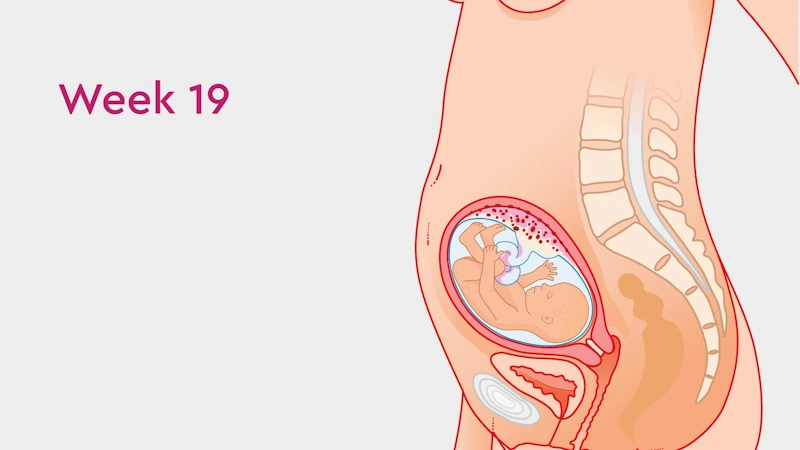
The uterus usually reaches about 2 cm below your navel.
Your baby sits in the middle-lower part of the abdomen, but the exact position depends on the uterus and placenta.
🔹 How much does a baby boy weigh at week 19 of pregnancy?
Most babies weigh around 190–210 grams (7–7.5 ounces).
Baby boys may be slightly heavier on average, but individual differences are normal.
🔹 What should I eat at 19 weeks pregnant?
Focus on iron-rich proteins, vitamin C, calcium, and fiber.
Eat lean meat, eggs, legumes, fresh fruits, vegetables, and dairy.
Drink plenty of water and avoid fried or processed foods.
🔹 Is nausea at 19 weeks normal?
For many women, nausea improves by this stage.
However, some may still experience mild nausea due to hormones or odors.
If vomiting is severe or persistent, talk to your doctor.
🔹 Why do my nipples leak fluid?
Your breasts are preparing for breastfeeding.
You may notice a yellowish, watery discharge called colostrum, rich in nutrients and antibodies.
It’s completely normal — and whether it leaks or not doesn’t affect milk production later.
🔹 Can I carry my two-year-old while pregnant?
Yes, but lift carefully.
Bend your knees (not your back), hold your child close to your body, and avoid twisting.
If your doctor has restricted physical activity, ask for help lifting your child.
Final Tip
Every week of pregnancy brings new changes and discoveries.
Take care of yourself, eat well, stay active, and enjoy this special journey.
💬 How are you feeling this week?
Have you started feeling your baby move yet?
Share your experience in the comments — your story can help other moms-to-be!



No comment