

At week 15 of pregnancy, your baby and your body are going through significant changes. You may begin to feel more energetic, your appetite may increase, and your baby is developing rapidly inside your womb. Here’s everything you need to know about this exciting week.
👶 Fetal Development at Week 15 of Pregnancy
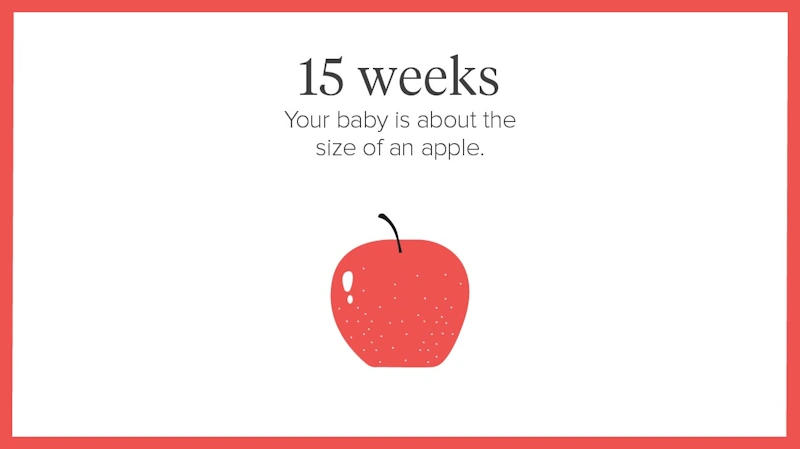
By week 15, your baby measures about 10 centimeters (4 inches) from head to bottom — roughly the size of an apple. A thin, soft layer of hair called lanugo now covers the baby’s skin to protect it. Eyebrows and eyelashes begin to form, and the baby’s eyes are becoming sensitive to light, even though they remain closed. These are signs that the nervous and sensory systems are developing quickly.
🧬 What Happens Inside Your Baby’s Body
Your baby is now practicing movements by squinting, frowning, smiling, and moving the lips, helping strengthen developing muscles. The skin is still thin and almost transparent, allowing tiny blood vessels to show underneath.
The skeletal system continues to form as soft cartilage slowly turns into bone through calcium absorption. Although the bones are getting stronger, they remain flexible enough to help your baby move through the birth canal later on.
The ears are nearly in their final position, and the baby can now turn the head and move the thumbs and fingers, though most movements are still involuntary.
Fine hair growth has also started, and light pigmentation may begin to appear.
If you’re curious about your baby’s gender, week 15 is a good time to find out. The external sex organs are now developed enough that an ultrasound can usually reveal whether you’re expecting a boy or a girl.
🤰 Your Body and Key Tests at Week 15 of Pregnancy
During the second trimester, several prenatal screening tests are performed to assess the baby’s health. Between weeks 15 and 20, your obstetrician may recommend one or more genetic screening tests to detect chromosomal or neural tube abnormalities.

🔹 Second Trimester Screening Tests
The triple or quadruple screening test helps identify the risk of conditions such as Down syndrome and spina bifida.
A simple blood test measures substances like:
-
Alpha-fetoprotein (AFP)
-
Human chorionic gonadotropin (hCG)
-
Unconjugated estriol (uE3)
-
Inhibin-A
These results help determine whether you might benefit from further diagnostic testing such as amniocentesis.
🔹 What Is Amniocentesis?
Amniocentesis is a precise diagnostic test usually done between weeks 15 and 21 of pregnancy. A small amount of amniotic fluid is drawn from the uterus using a thin needle guided by ultrasound.
This fluid contains fetal cells that can be analyzed for chromosomal and genetic disorders like Down syndrome, Tay-Sachs disease, cystic fibrosis, and sickle cell anemia.
It’s typically recommended for women over age 35 or those with abnormal screening results. The test is about 99% accurate, and while the idea of a needle can be intimidating, most women report only mild pressure or discomfort.
🔹 Risks of Amniocentesis
With ultrasound guidance, the risk of injury to the baby is extremely low. The main risk is miscarriage, occurring in roughly 1 in 200 cases. A small percentage of women may experience mild cramping, spotting, or fluid leakage after the test.
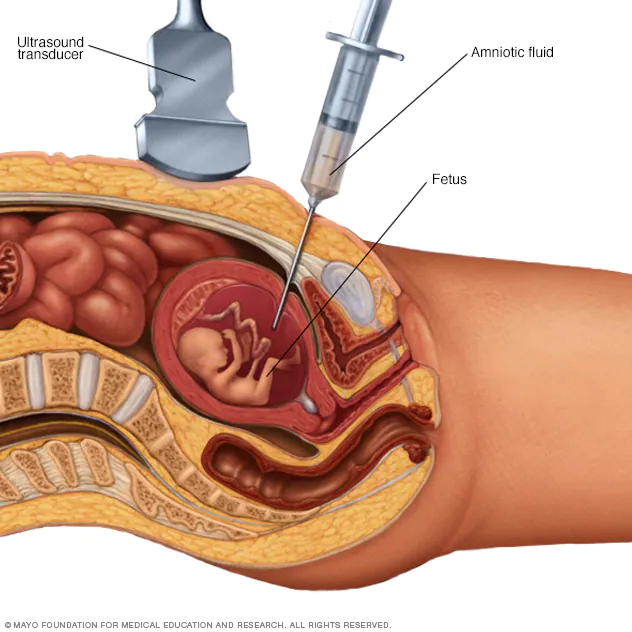
When performed by an experienced specialist, the benefits of accurate diagnosis far outweigh the risks. Always discuss your concerns with your doctor before proceeding.
🔹 Understanding False Positive Results
Sometimes a test may show an abnormal result even though the baby is healthy. This is called a false positive. It can happen if your due date is slightly off, if you’re carrying twins, or due to hormone fluctuations.
In such cases, your doctor may recommend a repeat ultrasound or another amniocentesis to confirm the findings. Always seek counseling before making any major decisions.
🔹 Coping with Abnormal Results
Receiving unexpected results can be emotionally challenging. If a test confirms a genetic or chromosomal condition, take time to consult a genetic counselor. A professional counselor can help you and your partner understand your options without judgment, offering emotional and practical support as you make informed decisions about your pregnancy.
💞 Sexual Health and Emotional Wellbeing at Week 15 of Pregnancy
During the second trimester, many women experience a boost in libido. Increased blood flow to the pelvic area and hormonal changes make the vaginal tissues more sensitive and well-lubricated. You might notice stronger and more frequent orgasms than before pregnancy.

Sex during pregnancy is safe for most women, unless your doctor advises otherwise due to complications like placenta previa, bleeding, or risk of preterm labor. Open communication with your partner is essential — intimacy and emotional connection are part of a healthy pregnancy.
🧘 Stress Management and Relaxation
Stress is common during pregnancy, but chronic stress can affect both mother and baby. Studies show that high stress levels are linked to increased fetal heart rate and a higher risk of preterm birth.

Here are a few simple relaxation techniques you can try:
-
Take 15 minutes daily to sit or lie quietly in a peaceful environment.
-
Close your eyes and take slow, deep breaths, counting from 1 to 10.
-
Visualize a calm, beautiful place — imagine being there with your baby.
-
Stretch your arms and legs gently and thank yourself for taking time to relax.
Regular relaxation helps you balance your mind and body and improves emotional control throughout pregnancy.
🚶 Walking Meditation
If sitting still feels difficult, try gentle walking outdoors. Focus on the rhythm of your steps, the sounds of birds, and the scents of nature.
Walking helps clear your mind, boost circulation, and enhance your overall sense of calm.
👧 Preparing Older Siblings for the New Baby
If you have another child, they may worry about sharing your attention. Talk to them openly about the new baby and emphasize that they still have a special place in your heart.

Involve them in preparing for the baby — let them choose a toy or help decorate the nursery.
A great idea is to exchange gifts between the baby and the older sibling. When they meet for the first time, ensure your baby is in a crib rather than in your arms to make the sibling feel included.
If your older child feels angry or jealous, reassure them that their emotions are normal and that love will grow naturally over time.
🍽️ Nutrition and Exercise at Week 15 of Pregnancy
Many expectant mothers experience strong food cravings around this time — for example, pasta, chocolate cake, mashed potatoes, or homemade soups. While these cravings are normal, it’s important to keep your diet balanced.
🔹 Healthy Eating Tips
-
Choose lean cuts of meat and cook them without frying.
-
Add vegetables like zucchini, carrots, or bell peppers to your meals.
-
Use low-fat cheese for pasta or pizza.
-
Replace butter with olive or canola oil in mashed potatoes.
-
Enjoy sweets occasionally, but keep portions small.
A healthy diet helps maintain your energy, supports your baby’s growth, and prevents unnecessary weight gain.
🔹 Exercise During Week 15
If you were active before pregnancy, you can usually continue exercising safely with your doctor’s approval. Exercise helps improve mood, blood flow, and sleep quality.

Safety tips for exercising while pregnant:
-
Avoid overheating and stay hydrated.
-
Wear comfortable shoes and a supportive sports bra.
-
Stop exercising if you feel pain, dizziness, chest discomfort, or fluid leakage.
-
Avoid lying flat on your back after the first trimester.
-
Skip activities that involve falling or abdominal impact, such as horseback riding, skiing, or contact sports.
Recommended activities include walking, prenatal yoga, swimming, and stretching exercises.
❓Common Questions About Week 15 of Pregnancy
🔹 Is it safe to have an X-ray while pregnant?
Most standard X-rays (like arm or leg imaging) pose minimal risk to the baby. Modern machines focus radiation precisely on the affected area.
However, CT scans use multiple X-rays and should only be done when absolutely necessary.
Always inform your doctor and radiology technician that you’re pregnant so they can use a protective abdominal shield.
🔹 I have vaginal discharge with an unusual smell — should I worry?
Mild, white or clear discharge during pregnancy is normal. It helps protect against infections.
However, if your discharge becomes yellow, green, thick, or smells fishy, you may have a bacterial infection such as bacterial vaginosis or trichomoniasis.
See your doctor for a proper diagnosis — these infections can be treated safely with medications that are approved for use during pregnancy.
🌟 Summary
By week 15 of pregnancy, your baby is growing steadily, and your body is adapting beautifully. Continue eating well, staying active, managing stress, and following your doctor’s advice.
This week marks a turning point — you’ll likely feel more energetic, more connected to your baby, and more confident about the journey ahead.



No comment