
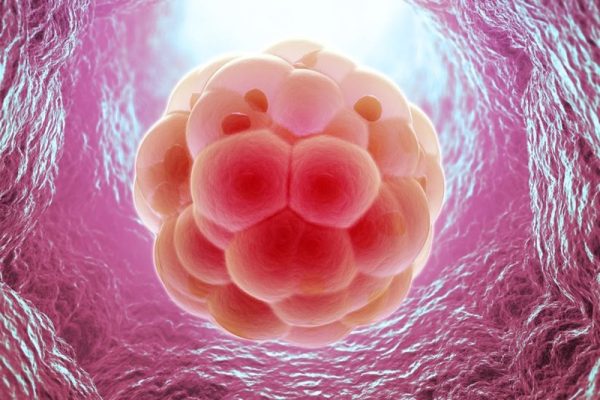
Pregnancy is an amazing journey that begins from the moment of fertilization and continues until the birth of the baby. In the meantime, the third week of pregnancy is a key and different point, because at this time, the first sparks of life are formed in the mother’s body. Although many women do not notice any specific changes in this week, a complex and amazing process is taking place inside their bodies; the fusion of sperm and egg, the formation of an egg cell or zygote, and the beginning of its journey to the uterus for implantation.
Understanding the events of the third week is very important, because awareness of this stage can help the mother to provide the best conditions for the development of the fetus by taking the necessary care. During this week, symptoms similar to premenstrual period may be experienced, which sometimes confuses the mother. Also, many women at this stage are looking for answers about proper nutrition, dos and don’ts, and even the possibility of diagnosing pregnancy.
In the rest of this article, we will examine the changes in the mother’s body, the condition of the fetus, common symptoms, essential care, nutritional tips, and frequently asked questions in the third week of pregnancy, step by step, so that you have a comprehensive and scientific view of this sensitive period.
Third week of Pregnancy; The Real Journey of Life Begins
The third week of pregnancy is where everything really begins. Although, according to the medical calendar, pregnancy is counted from the first day of the last menstrual period, the reality is that fertilization usually occurs around the third week. That is why many doctors consider this period to be the real beginning of a human life.
At this time, the egg released from the ovary waits in the fallopian tube for a sperm. Millions of sperm compete to reach the egg, but only one of them manages to penetrate. The result of this process is the formation of a new cell called a zygote, which contains all the genetic characteristics of the baby (from gender to eye and hair color).
The zygote divides continuously over the next few days as it begins an exciting journey from the fallopian tube to the uterus. At the end of this journey, a cellular structure called a blastocyst is formed, ready to implant in the uterine wall. This is the moment when the pregnancy is established and the mother’s body begins to undergo hormonal changes to provide a safe and suitable environment for the fetus to grow.
Interestingly, in the third week, many women still do not realize that they are pregnant. Sometimes, symptoms similar to premenstrual syndrome (PMS) appear, which is why mothers do not find out about their pregnancy until their period is late.
Therefore, the third week can be considered the beginning of a nine-month journey; a journey that begins with a small cell and will eventually lead to the birth of a full-fledged baby.
Changes in the mother’s body in the third week of pregnancy
In the third week of pregnancy, external changes may not be visible, but inside the mother’s body, major changes are taking place. From the moment of fertilization, the body begins to secrete hormones and prepare the uterus to receive the fetus. These seemingly silent changes are the foundation of a healthy and successful pregnancy.
Hormonal changes
- The hormone HCG (human chorionic gonadotropin): After implantation, this hormone is secreted by fetal cells and its function is to support pregnancy and stimulate the secretion of progesterone. An increase in HCG levels is what pregnancy tests detect.
- Progesterone: This hormone prepares the uterine environment for implantation and fetal growth and also prevents uterine contractions.
- Estrogen: It plays an important role in the development of uterine and breast tissues and prepares the body to nourish and support the fetus.
Physical Changes
- Increased Body Temperature: Many women experience a slight increase in their basal body temperature.
- Tenderness and heaviness in the breasts: This is one of the first signs of hormonal changes.
- Fatigue and drowsiness: Increased progesterone levels make the body more inclined to rest.
- Mood changes: Fluctuations in hormones can affect the mother’s emotions; from sudden happiness to sensitivity or even short-term sadness.
Vague Symptoms
In many women, the symptoms of the third week can be confused with premenstrual symptoms. For this reason, many mothers are still unaware of their pregnancy at this time.
Embryo Formation in the Third Week of Pregnancy
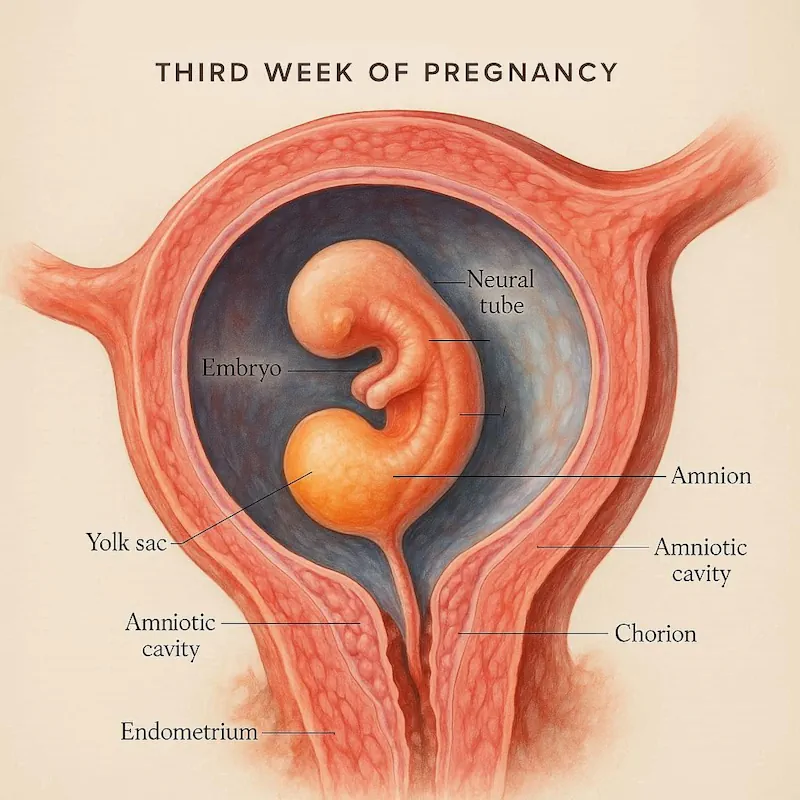
In the third week of pregnancy, the smallest and yet most important events in human development occur. At this stage, the embryo is not yet the baby we have in mind, but a collection of dividing cells that contain the future of a complete life.
Fertilization and Zygote Formation
- This week, the sperm enters the egg and a zygote (egg cell) is formed.
- The zygote has a complete set of 46 chromosomes that determine the baby’s sex, appearance, and even genetic predispositions.
Cell division and movement to the uterus
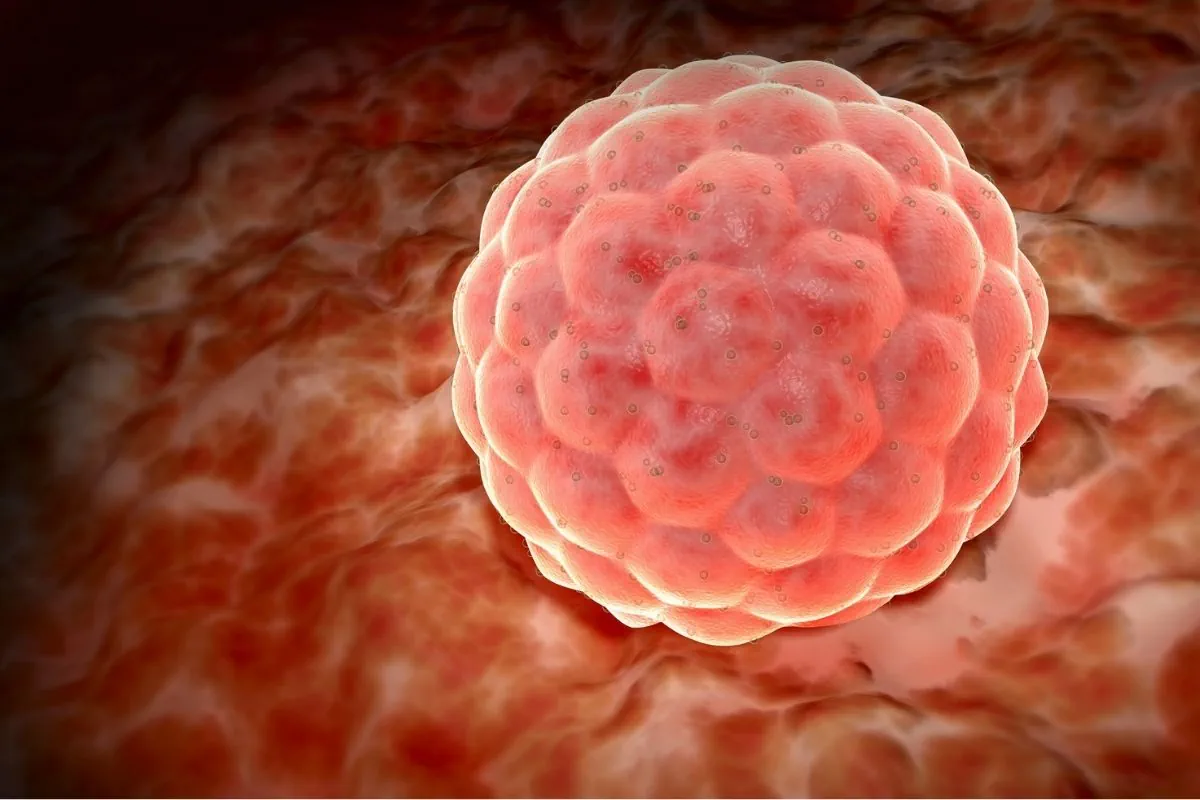
- The zygote immediately begins dividing, growing from two cells to four, then eight, and sixteen cells.
- This cell mass travels down the fallopian tube to the uterus over the course of several days.
- On this journey, the cells simultaneously produce energy and prepare for implantation.
Blastocyst Formation
- By day five, a structure called a blastocyst is formed; a ball of cells that consists of two main parts:
– Inner cells: which will later become the embryo.
– External cells (trophoblast): which are responsible for forming the placenta and connecting the embryo to the mother’s body.
Implantation in the uterus
- The blastocyst attaches to the uterine wall around day 6 to 10 after fertilization.
- This moment is what makes the pregnancy official. From here on, the mother’s body begins to secrete the hormone HCG to support the continuation of the pregnancy.
Size of the fetus in the third week
- At this week, the fetus is less than a millimeter in size, but cell growth and division continue rapidly.
- Although no specific organs have yet formed, the blueprint for their development is present in the DNA of the cells.
Symptoms of the third week of pregnancy
In the third week of pregnancy, many women still don’t realize they’re pregnant, as symptoms can be very mild or similar to premenstrual syndrome (PMS). However, hormonal changes and the implantation process may cause symptoms that can be detected if you pay close attention to your body.
Light spotting (implantation spotting)
When the blastocyst implants in the uterine wall, small blood vessels may rupture, resulting in light spotting or pink/brown discharge. This is different from a period, as it is much less intense and lasts longer.
Breast tenderness and changes
The hormones estrogen and progesterone can cause breasts to swell, become tender, or feel heavier than normal. Some women may even experience a tingling or mild burning sensation in their nipples.
Fatigue and drowsiness
The body is spending a lot of energy dividing cells and secreting hormones during this phase. This can lead to feelings of fatigue and a need for more sleep.
Increased body temperature
Basal body temperature (BBT) usually increases slightly after ovulation. If this temperature remains elevated for more than 10 days, it could be a sign of pregnancy.
Mood swings
Hormonal fluctuations in the third week may lead to mood swings. Women may feel more emotional, irritable, or even more impatient than before.
PMS-like symptoms
Some symptoms, such as bloating, mild abdominal cramps, and changes in appetite, can be similar to those of premenstrual syndrome, which is often confusing.
👩⚕️ Note: Not all women will necessarily experience these symptoms. Some may not have any symptoms and only realize they are pregnant when their period is late.
Ultrasound and tests in the third week of pregnancy
In the third week of pregnancy, the fetus is still very small and many imaging tools cannot show it clearly. However, hormonal changes in the mother’s body have begun and some tests can detect the presence of pregnancy.
Ultrasound in the third week of pregnancy
- At this week, a regular ultrasound cannot yet show the fetus. The fetus is less than one millimeter in size and implantation has just begun.
- Sometimes the doctor may use a vaginal ultrasound to examine the uterus and changes caused by implantation, but usually a clear image of the gestational sac is not seen until the fifth or sixth week.
Blood pregnancy test
- The most reliable way to diagnose pregnancy in the third week is a blood test to measure the hormone HCG.
- This hormone is produced by placental cells immediately after implantation and its levels increase rapidly.
- A quantitative blood test (Quantitative HCG) can detect even very low levels of the hormone and determine the approximate age of the pregnancy.
Home pregnancy tests
- Home pregnancy tests (Baby Check) work by checking the level of HCG in the urine.
- In the third week, the amount of the hormone may not yet be high enough for a home test to detect it. Therefore, a negative result at this time does not necessarily mean that you are not pregnant.
- It is recommended to repeat the test a few days later or do a blood test directly if your period is delayed.
🔍 Conclusion: In the third week of pregnancy, a blood test is the most accurate method of diagnosis, while ultrasound is usually not yet able to show pregnancy.
Do’s and Don’ts of the Third Week of Pregnancy
The third week of pregnancy is a sensitive and crucial stage. At this time, the mother’s body is preparing the right environment for the development of the fetus, and any nutritional or lifestyle choices can have a direct impact on the continuation of the pregnancy. Following the do’s and avoiding the don’ts helps the mother increase the chances of having a healthy pregnancy.
✅ Do’s in the third week of pregnancy
- Consumption of folic acid and essential supplements
– Folic acid is the most important vitamin that should be taken before and in the early weeks of pregnancy. This vitamin helps prevent neural tube defects in the fetus.
– In addition, iron, vitamin D, and calcium supplements may also be necessary upon doctor’s recommendation. - Healthy and balanced nutrition
– A diet should include fruits, fresh vegetables, healthy proteins (fish, chicken, eggs, legumes), and low-fat dairy products.
– Whole grains also help provide sustained energy. - Drink enough water
– Staying hydrated is essential for proper blood circulation and supporting the dividing fetal cells. - Get enough rest and sleep
– The body needs more energy this week. Getting enough sleep at night and resting during the day will help reduce fatigue. - Stress management
– Yoga, meditation, light walking, or deep breathing can help reduce stress and create relaxation.
❌ What not to do in the third week of pregnancy
- Smoking and alcohol
– These substances can negatively affect the cell division process and increase the risk of miscarriage or fetal abnormalities. - Excessive caffeine
– Consumption of coffee and energy drinks in early pregnancy can cause problems for the development of the fetus. - Self-medication
– Many medications during this period can have detrimental effects. Any medication should be taken only with a doctor’s prescription. - Heavy and risky activities
– Lifting heavy objects or doing strenuous exercise may increase the risk of bleeding or implantation failure. - High-risk foods
– Consumption of undercooked foods (such as undercooked steak or soft-boiled eggs), unpasteurized cheeses, and fish high in mercury should be avoided.
⚖️ In short: In the third week of pregnancy, every decision is of great importance. A healthy lifestyle, a balanced diet, and avoiding risk factors can pave the way for pregnancy.
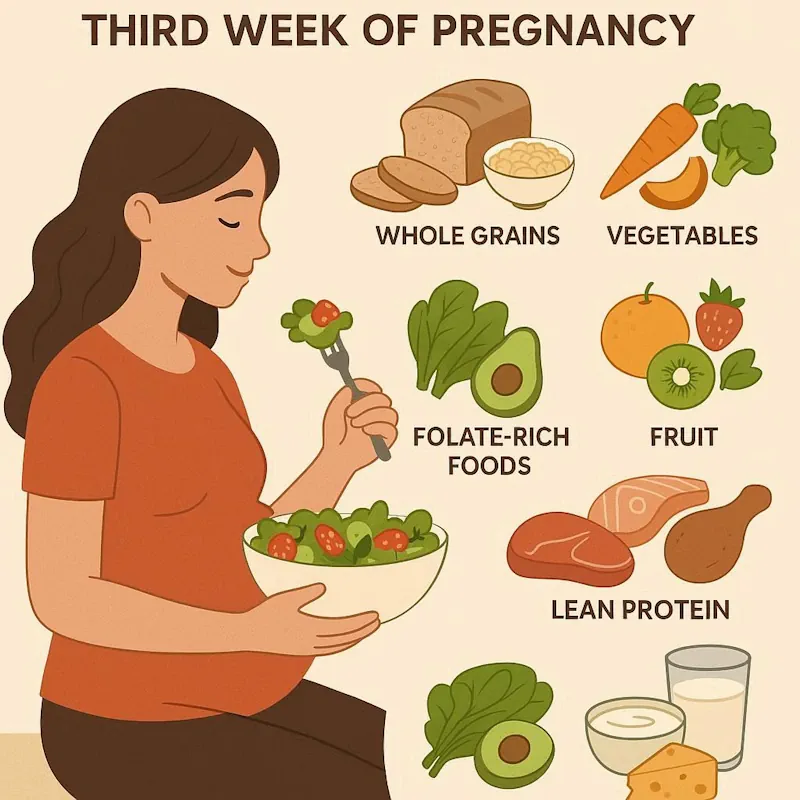
Proper nutrition in the third week of pregnancy
Nutrition in early pregnancy, especially in the third week, plays a key role in the health of the mother and the development of the fetus. At this time, the fetus is still very small, but cells are dividing rapidly and need nutrients to build future tissues and organs. Therefore, the mother’s diet can provide a strong foundation for the continuation of the pregnancy.
Recommended Foods
- Folic acid (vitamin B9)
– The most important nutrient needed this week. Folic acid helps prevent neural tube birth defects.
– Food sources: Green leafy vegetables (spinach, broccoli), lentils, chickpeas, beans, and fortified breads. - High-quality proteins
– Protein is essential for building new cells and rapid fetal growth.
– Sources: Chicken, healthy, low-mercury fish, eggs, legumes, and dairy products. - Calcium and vitamin D
– Calcium is essential for the development of the fetus’s future bones and teeth, and vitamin D helps absorb it.
– Calcium sources: Low-fat milk and yogurt, almonds, sesame seeds.
– Vitamin D sources: Sunlight, salmon, and supplements recommended by a doctor. - Iron
– The increase in the mother’s blood volume during pregnancy increases the need for iron. Iron deficiency can cause anemia and fatigue.
– Sources: Lean red meat, lentils, green leafy vegetables. - Fresh fruits and vegetables
– Rich in vitamins, fiber, and antioxidants that help support a healthy immune system and prevent constipation. - Whole grains
– Brown rice, oatmeal, and whole-wheat bread provide sustained energy and prevent blood sugar fluctuations.
Foods and drinks to avoid in the third week
- Undercooked or raw meat and eggs (risk of salmonella and toxoplasmosis).
- Unpasteurized soft cheeses.
- High-mercury fish such as shark, swordfish, and tilefish.
- Carbonated and energy drinks.
- Fast foods and high-fat foods that can cause inflammation and digestive problems.
Importance of drinking water
Drinking 8 to 10 glasses of water a day helps improve blood circulation, transport nutrients, and eliminate toxins. Dehydration at this stage can cause headaches, fatigue, and even interfere with the implantation process.
✅ In short, a balanced diet rich in vitamins and minerals in the third week of pregnancy provides the mother’s body with enough energy and provides ideal conditions for the development of the fetus.
Medical care in the third week of pregnancy
Although many women do not yet know that they are pregnant in the third week, if there is a possibility of pregnancy, following some medical care and visiting a doctor can play an important role in ensuring the health of the mother and fetus. At this stage, the main goal is to maintain ideal conditions for implantation and the start of a healthy pregnancy.
Visiting a doctor
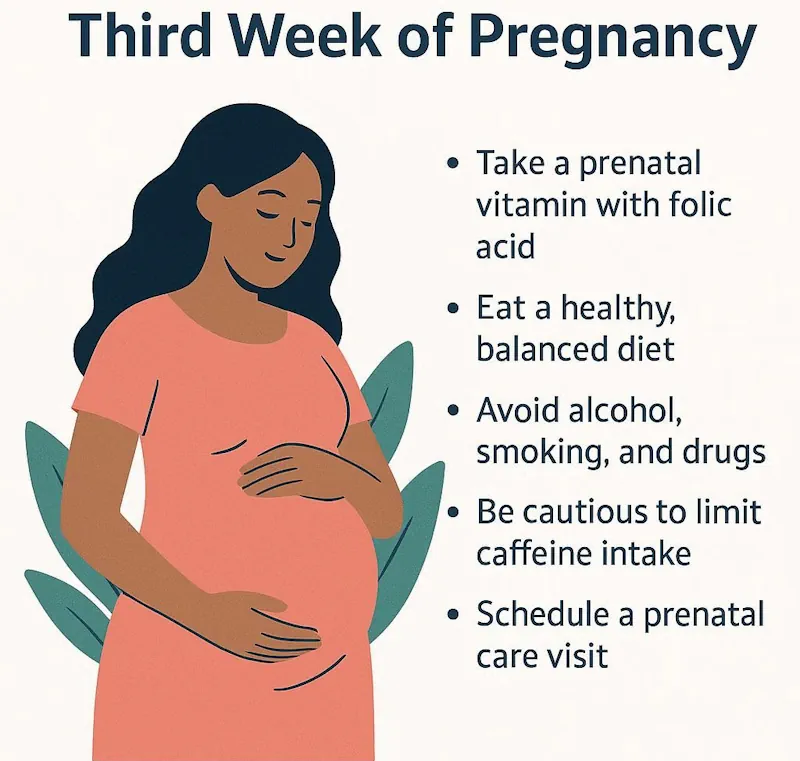
- If a woman is planning a pregnancy or undergoing fertility treatments (such as IVF), it is best to contact her doctor this week.
- The doctor may make recommendations to check the condition of the uterus, hormones, and necessary supplements.
The role of supplements
- Folic acid: 400 to 800 micrograms per day is recommended.
- Iron: In case of anemia or higher needs, the doctor may prescribe iron supplements.
- Vitamin D and calcium: Supplements are especially important in women who are vitamin D deficient.
Preventive care
- Checking the status of the thyroid, blood sugar, and blood pressure is essential to ensure the mother’s stable body condition.
- Vaccination against some diseases (such as rubella) should be done before pregnancy, but if the mother is not sure about this, the doctor may perform the necessary tests.
Symptoms that require immediate attention
- Heavy bleeding or severe abdominal pain (may be a sign of a problem with implantation or an ectopic pregnancy).
- High fever or infection.
- Unintentional use of medication or harmful substances during this week that requires medical examination.
👩⚕️ Conclusion: In the third week of pregnancy, even if the mother is still unsure, following medical principles and consulting a doctor if necessary can greatly increase the chances of a healthy pregnancy.
Differences between the third week of pregnancy and a missed period
In the third week of pregnancy, many of the early symptoms may be similar to premenstrual syndrome (PMS) or symptoms of the days leading up to your period. This similarity can cause some women to be unaware of their pregnancy or to confuse it with normal changes in the menstrual cycle. Knowing the differences can help identify pregnancy early.
Similarities
- Breast tenderness and heaviness: This is seen in both PMS and the third week of pregnancy.
- Mood swings and unstable emotions: Hormonal fluctuations can cause irritability and mood swings.
- Fatigue and drowsiness: In both cases, there may be a feeling of fatigue and decreased energy.
Differences
- Mild implantation spotting: This spotting is usually lighter, shorter, and of a different color (pink or light brown), while a period is heavier and lasts longer.
- Increased basal body temperature: A sustained increase in body temperature for more than 10 days is usually a sign of pregnancy, while in PMS this change is short-lived.
- Feeling sick or having an upset stomach: This can occur in the third week of pregnancy and early fourth week, but is less common with PMS.
- Positive pregnancy test: If you take a blood test or home test after implantation, your HCG levels will increase and give a positive result, whereas in PMS no such hormone is produced.
💡 Tip: Many women only notice a difference when their period is late, but paying attention to implantation spotting, body temperature changes, and other early signs can give you early warning.
Psychological tips in the third week of pregnancy
The third week of pregnancy is not only about physical and hormonal changes; the mother’s mind and psyche also enter a sensitive and important stage. Paying attention to psychological aspects can help reduce stress, enhance calm, and prepare the mother for the following months of pregnancy.
Stress and anxiety management
- Hormonal changes and worries about a healthy pregnancy can increase stress.
- Simple techniques such as short meditation, deep breathing, light walking, or relaxing music can reduce anxiety.
Mental preparation for motherhood
- Even in the third week, the mother can prepare her mind by studying about pregnancy, early care, and fetal development.
- Creating a positive and energetic atmosphere at home and accepting life changes helps with mental peace.
The role of spouse and family support
- Spousal support is very important at this stage; talking about feelings, concerns, and planning for the future can reduce stress.
- Involving family and friends in providing a safe and calm environment reassures the mother and reduces feelings of loneliness.
Self-care
- Activities that increase the mother’s energy and calmness, such as a warm bath, reading a book, music or simple arts, contribute to mental health.
- Learning time management skills and regular rest can have long-term positive effects on the mother’s physical and mental well-being.
💡 Tip: Psychological care is as important as physical care. Reducing stress and creating a calm mind can have a direct impact on the success of the pregnancy and the development of the fetus.
Frequently Asked Questions About the Third Week of Pregnancy
The third week of pregnancy is a stage when mothers usually have many questions about body changes, fetal development and how to care for it. This section answers the most common questions.
Can the gender of the fetus be found out in the third week?
- No. At this stage, the fetus is still in the blastocyst stage and the sexual organs have not formed. Gender can usually be determined by ultrasound between weeks 16 and 20.
Is there a risk of miscarriage in this week?
- Every early pregnancy comes with its own risks, but following a healthy diet, avoiding harmful substances and getting medical care can increase the chances of a healthy pregnancy.
- Warning signs such as heavy bleeding or unusual abdominal pain should be reported to the doctor immediately.
Should I see a doctor immediately?
- If a woman is planning a pregnancy or has observed certain symptoms, it is recommended to see a gynecologist.
- Otherwise, most women are still unsure in the third week and usually seek medical advice after a missed period.
Is a home pregnancy test accurate in the third week?
- A home test may not be positive yet because the HCG level is not yet high enough.
- The best way to make a reliable diagnosis is an accurate blood test.
What initial care should be taken?
- Taking folic acid and vitamins
- Eating a healthy and balanced diet
- Getting enough rest and reducing stress
- Avoiding smoking, alcohol, self-medication, and high-risk foods
💡 Note: Answering these questions will help mothers take better measures to protect their health and that of their fetus with accurate and scientific information.
Conclusion
The third week of pregnancy marks the beginning of an amazing and sensitive journey in every woman’s life. At this stage, fertilization occurs, the zygote forms, and the blastocyst prepares for implantation. Although physical changes are not yet apparent, the mother’s body is laying the foundation for the development of the fetus by secreting hormones and preparing the uterine environment.
During this week, the mother may experience symptoms such as mild spotting, breast tenderness, fatigue, mood swings, and increased body temperature. However, many of these symptoms are similar to PMS, and early diagnosis of pregnancy requires careful attention and, if necessary, blood tests.
Medical care and a healthy lifestyle play an important role in the success of pregnancy. Taking folic acid, healthy proteins, vitamins, and enough water, avoiding harmful substances, getting enough rest, and managing stress provide a solid foundation for the development of the fetus. Psychological support for the mother and mental preparation also help reduce anxiety and create peace.
By knowing about body changes, fetal development, and important medical and nutritional tips, mothers can go through the third week of pregnancy with confidence and peace of mind and create optimal conditions for the continuation of the pregnancy and the health of the fetus.


No comment