
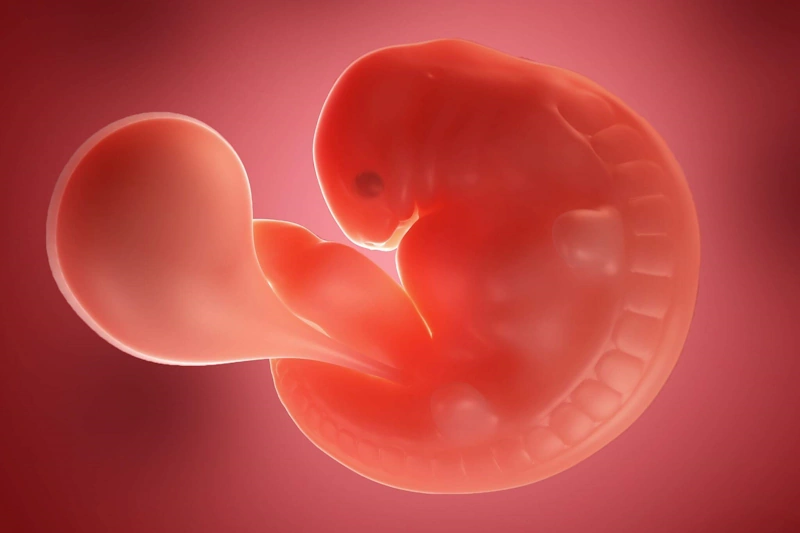
It is hard to believe, but in the fifth weeks of pregnancy, your fetus is still too small to be seen with the naked eye; however, inside the mother’s body, sensitive stages of growth and formation of life are taking place. At this time, the fetus has a tubular and curved shape, with the head area at one end and the body at the other. Between these two parts, a thin structure called the spinal cord appears, which gradually forms the basis of the central nervous system, that is, the brain and spinal cord. This stage is one of the most important starting points in fetal development, because all the baby’s future motor, sensory and cognitive activities begin here.
Next, we will examine the changes in the mother’s and fetus’ bodies in the fifth weeks of pregnancy to know exactly what changes are happening in your body in these early days.
Your Baby’s Shape in Week 5
At week 5, your baby is still very small, but his vital organs are developing at a rapid pace. At this stage, the fetus is inside a yellow, fluid-filled sac that receives the nutrients it needs. Blood is pumped by the fetus’s small, tubular heart; this heart is still simple, but in the coming week, its left and right ventricles will form and the heartbeat will become more pronounced.
At the same time, other body organs are also forming. The baby’s brain is entering a stage where it is divided into two hemispheres, and the respiratory system appears as grooves on the back of the face. As the days pass, the fetus’s lower body grows more and the lungs gradually develop over 23 stages.
The fetus’s tiny arms and legs are visible like delicate, transparent buds. This week, winged fingers and hands begin to form, and his body gradually takes on a human form. Your fetus is now visible with imaging tools like a vaginal ultrasound, although it is still less than a few millimeters in size.
Symptoms of the fifth weeks of pregnancy in the mother’s body
In the fifth weeks of pregnancy, hormonal changes reach their peak and many of the early signs of pregnancy become more obvious to the mother. At this time, the level of the hCG hormone (pregnancy hormone) in the blood increases, causing symptoms that may vary from woman to woman. Below are the most important symptoms of this week:
Morning sickness and digestive changes
One of the most common symptoms of the fifth weeks is morning sickness, which is usually caused by a sudden increase in hormones and stomach sensitivity. This condition may also occur throughout the day. To control nausea, you can:
- Eat small, frequent meals.
- Avoid eating fatty or heavy foods.
- Eat plain biscuits or dry bread before getting out of bed.
Along with nausea, you may also experience bloating, constipation, or heartburn. These digestive problems are normal and are caused by slowed bowel movements due to hormonal changes.
Fatigue and mood swings
Your body is adjusting to pregnancy, and extreme fatigue or constant sleepiness is a natural sign. The main reason for this feeling is the increase in progesterone and your body’s efforts to grow the fetus.
Try to get enough sleep and take short breaks during the day.
You may also experience mood swings, emotional sensitivity, or even crying for no reason; this is due to hormonal changes and usually decreases after the end of the first trimester.
Increased vaginal discharge
In the fifth weeks, it is normal to have an increase in vaginal discharge. This discharge is clear or whitish and is caused by increased blood flow to the pelvic area and thickening of the uterine wall.
⚠️ However, if your discharge is yellow, green, or accompanied by itching and an unpleasant odor, be sure to see a doctor, as it could be a sign of an infection.
Sensitivity to odors and changes in appetite
Your sense of smell may become much stronger this week. The smell of food, perfume, or even detergents may trigger nausea.
Some women experience food cravings — a strong desire to eat certain foods (such as pickles or certain fruits) or, conversely, an aversion to certain foods (such as meat or tea).
These changes are normal and usually subside in the following months.
Overall, most of these symptoms are a natural result of your body adjusting to pregnancy. If any of the symptoms become unusually severe (such as persistent nausea or significant weight loss), you should see your gynecologist.
Fetal status in the fifth weeks of pregnancy
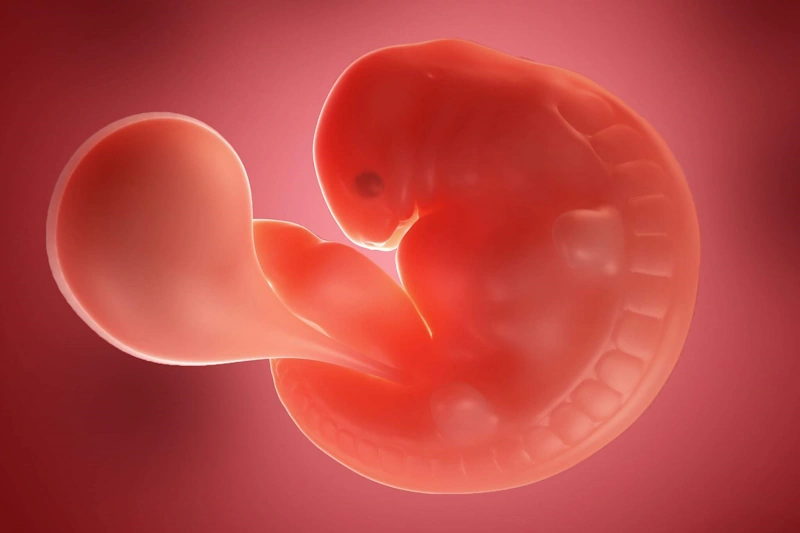
At week 5 of pregnancy, your fetus is still very small, but important and vital events are happening inside the uterus. The fetus is about 2 to 3 millimeters in size at this stage; about the size of a sesame seed. Although it does not yet have a complete human appearance, the basic foundations of all the body’s organs are forming.
Heart Formation and Beating
One of the most important events of the fifth weeks is the beginning of the development of the fetal heart. At this time, the heart is still a small, simple tube, but its cells are starting to beat and the initial blood flow is moving through the fetus’s body.
In the coming weeks, this simple tube will divide into two ventricles, the left and right, and the fetal heartbeat will be visible and audible with a vaginal ultrasound.
Brain and Nervous System Development
This week, the fetus’s central nervous system (brain and spinal cord) is forming. The neural tube, which extends from the back of the fetus, gradually closes and nerve cells begin to divide and differentiate. This process begins the development of the brain and nerves — the part that will be responsible for the baby’s thinking, feeling, and movement in the future.
For this reason, taking folic acid in the fifth weeks of pregnancy is very vital. This vitamin prevents abnormalities such as neural tube defects (spina bifida).
Internal Organ Formation
Inside the fetus, vital organs such as the liver, kidneys, digestive tract, and lungs are beginning to develop. Although they are not yet fully functional, their basic structure is forming. The lungs are initially visible as delicate ridges in the back of the chest that will expand into branches over the coming weeks.
External Organs and Appearance
At this stage, the fetus’s arms and legs appear as small, winged buds. The fetus’s head is larger than the rest of the body because the brain is developing faster than the other organs. The eyes, ears, and mouth are also forming as small dark spots.
By the end of the fifth weeks, your fetus is safely encased in the amniotic sac and is receiving nutrients from the yolk sac. The placenta is not yet fully formed, but it is growing and will soon take over the main nutrition of the fetus.
✨ In the coming week, the fetal heartbeat will become clearer and more organs will form.
In the next section, we will look at proper maternal nutrition in the fifth weeks of pregnancy to learn what nutrients are essential for better fetal development and maternal health.
Proper Nutrition in the fifth weeks of Pregnancy
In the fifth weeks of pregnancy, your body is adjusting to drastic hormonal changes and the fetus in the womb is growing at an incredible rate. At this stage, proper nutrition plays a vital role in the development of the fetus’s brain, heart, and nervous system. Choosing healthy and nutritious foods will not only reduce fatigue and morning sickness, but also prevent many fetal abnormalities.
1. Adequate folic acid intake
In the fifth weeks, folic acid is the most important supplement during pregnancy. This vitamin prevents the incomplete formation of the fetal neural tube and reduces the risk of birth defects such as spina bifida.
🔹 Recommended amount: 400 to 800 micrograms daily
🔹 Natural sources: Green leafy vegetables (spinach, broccoli), lentils, chickpeas and fortified cereals.
2. Iron intake and prevention of anemia
At this stage, the mother’s blood volume increases and the need for iron to make hemoglobin increases. Iron deficiency can cause fatigue, dizziness and reduced oxygen supply to the fetus.
🔹 Iron sources: lean red meat, liver, chicken, eggs and legumes.
🔹 Tip: For better absorption of iron, consume it with sources of vitamin C such as oranges, lemons or bell peppers.
3. Calcium and Vitamin D Consumption
Calcium plays an important role in the formation of the fetus’s bones and teeth. It also prevents muscle cramps in the mother.
🔹 Calcium sources: low-fat dairy products, almonds, sesame seeds, sardines and green vegetables.
🔹 Vitamin D helps in better absorption of calcium, so don’t forget to get 10 to 15 minutes of morning sun daily.
4. High-quality protein sources
Protein is the main element in the growth of fetal cells and tissues. In the fifth weeks, it is recommended to consume about 75 to 100 grams of protein daily.
🔹 Useful sources: white meat, eggs, legumes, soy, dairy products and nuts (walnuts and almonds).
5. Anti-nausea and energy-boosting foods
Many mothers experience nausea during pregnancy in the fifth weeks. Eating small and frequent meals and using simple foods can reduce this problem.
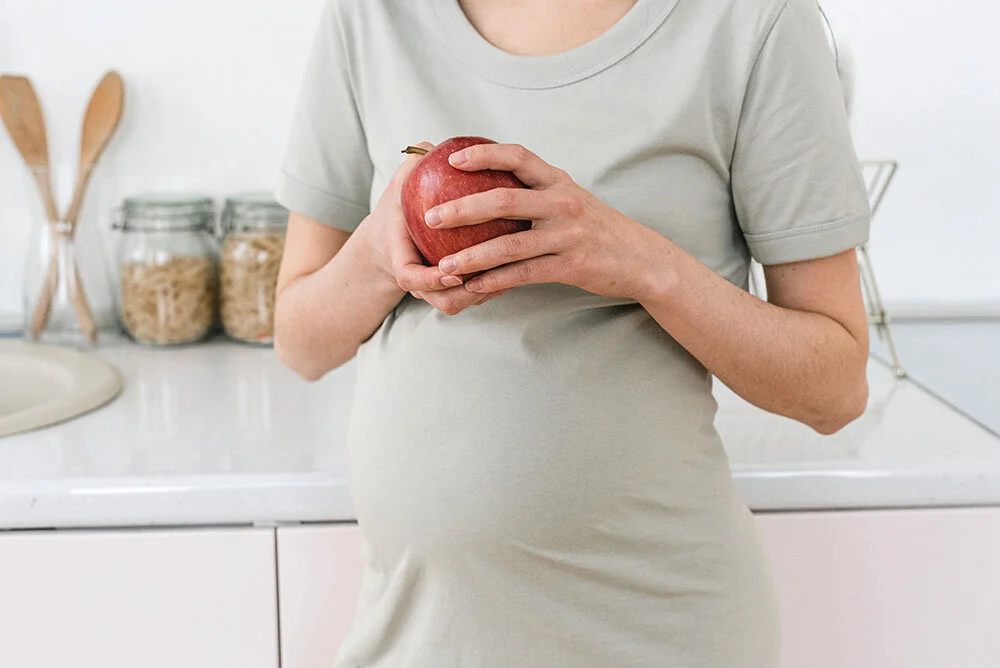
🔹 Useful foods: plain biscuits, toast, apples, bananas, natural ginger and mild teas such as mint.
🔹 Avoid: fatty, spicy, smelly foods and carbonated drinks.
6. Drink enough water and fluids
During pregnancy, water not only helps prevent constipation and urinary tract infections, but also keeps the amniotic environment around the fetus healthy.
🔹 Recommended amount: at least 8 to 10 glasses of water per day.
7. Prohibited foods in the fifth weeks of pregnancy
In this week, you should avoid consuming foods that pose a risk of contamination or poisoning.
🚫 Unpasteurized soft cheeses
🚫 Undercooked meat and fish
🚫 Raw eggs
🚫 Caffeinated and alcoholic beverages
✅ Following nutritional principles in these early weeks has a direct impact on the healthy development of the fetus and the health of the mother.
In the next section, we will look at the changes in the mother’s body in the fifth weeks of pregnancy to understand exactly what changes your body is going through.
Your Body in Week 5 of Pregnancy
In the fifth weeks of pregnancy, your body enters a phase of intense hormonal changes that are clearly visible in your appearance, skin, and organs. Increased estrogen and progesterone levels cause symptoms such as breast tenderness, frequent urination, and skin changes. Below, we will take a closer look at each of these changes.
Bigger, More Sensitive Breasts
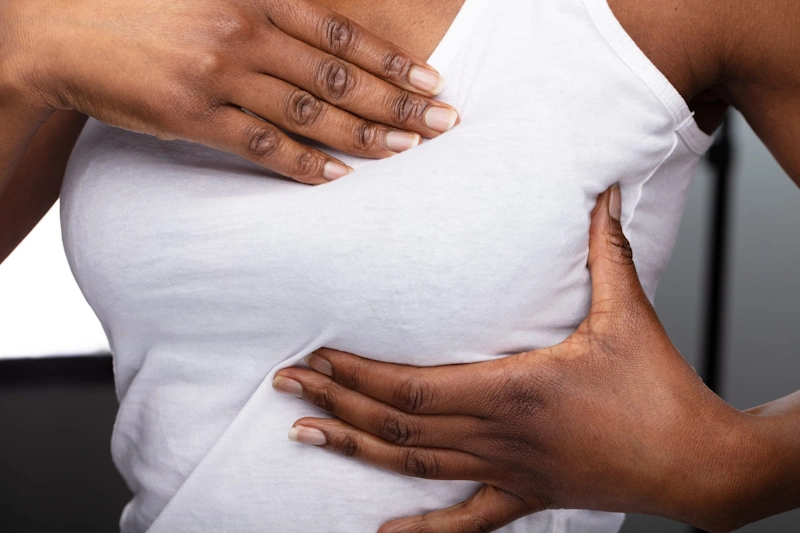
If you have always dreamed of fuller breasts, now your body is naturally fulfilling this desire! At this stage of pregnancy, your breasts become larger and more swollen due to increased blood flow and the development of mammary glands. In the first trimester, your breasts may increase in size by about one size, and by the end of pregnancy, they may increase by up to two sizes.
This swelling and sensitivity is the result of increased levels of the hormones estrogen and progesterone, which, by increasing blood flow, prepare the breast tissue for breastfeeding after delivery. During this time, your nipples may become darker and the area around them (the brown areola) may appear more raised. These changes are a normal sign of the development of your milk glands.
You may notice blue veins under the skin of your breasts, and you may feel a slight pain or burning sensation. These symptoms usually subside after the end of the first trimester. You can massage your breasts with warm (not hot) water or use a warm compress to relieve the pain.
Do breasts go back to their original shape after giving birth?
Breasts may not return to their original shape completely after giving birth. The amount of sagging depends on genetics, weight gain, and the type of breast tissue. To prevent sagging breasts:
- Wear supportive, comfortable bras during the day and even at night.
- Avoid sudden weight changes.
- Use anti-stretch marks creams or natural oils like sweet almond or coconut oil to maintain skin elasticity.
Choosing the right bra for pregnancy
As your breasts increase in size, you need to get soft, cotton, and non-padded bras. In fact, there is no such thing as a “pregnancy bra”; most bras used during this period are the same as those used for breastfeeding (nursing) bras.
Tips for choosing better:
- Use models with wide, adjustable straps.
- Avoid padded or padded bras, as they can cause pain and pressure.
- Wear lightweight sports bras at home or while sleeping.

Frequent urination in the fifth weeks of pregnancy
This week, you may notice that your urination frequency has increased noticeably. This is due to increased blood volume and the pressure of the growing uterus on the bladder. Although it may be tiring, it is a normal sign of the body’s functioning during pregnancy.
The important thing is to never hold your urine, as this increases the risk of developing a urinary tract infection.
⚠️ Warning: Feeling pain, burning, or fever when urinating is a sign of a bladder infection and needs to be investigated and treated. If you experience these symptoms, consult your doctor and get a urine test.
Skin and facial changes in the fifth weeks of pregnancy
Pregnancy hormones can sometimes make the skin brighter and more beautiful, creating the so-called “pregnancy glow.” Increased blood flow and increased secretion of oil from the skin glands make the cheeks look fresher and the skin more shiny. However, in many women, hormonal changes also cause skin problems.

Oily, acne-prone skin
Hormonal changes can increase oiliness in the skin and cause acne. To control it:
- Use mild cleansers designed for oily skin.
- Cleanse your skin twice a week with gentle scrubs or natural masks.
- Avoid products containing retinol, benzoyl peroxide, or vitamin A compounds, as they are contraindicated during pregnancy.
- Always consult your gynecologist before using any skin medication.

Dry, flaky skin
On the other hand, hormonal fluctuations can cause dry, tight skin. To fix this:
- Drink plenty of water to hydrate your skin from the inside out.
- Use unscented moisturizers and natural products like baby oil or shea butter.
- Avoid long, hot baths; lukewarm water is best.
- You can use a homemade oatmeal mask as a natural moisturizer.
In addition to these care tips, wearing light, cotton clothing will allow your skin to breathe and prevent further irritation.

Warnings and Danger Signs in the fifth weeks of Pregnancy
While many of the changes in the mother’s body in the fifth weeks are normal and expected, some symptoms can indicate serious problems and require immediate medical attention. Being aware of these signs will help protect the health of the mother and the fetus.
1. Abnormal bleeding or spotting
- Light bleeding or spotting in early pregnancy may be normal, but heavy, persistent bleeding, or bleeding accompanied by abdominal pain requires immediate investigation.
- These symptoms can be a sign of miscarriage or ectopic pregnancy.
2. Severe abdominal or pelvic pain
- Mild pain due to the growing uterus is normal, but severe, sudden, or persistent pain can be a warning sign.
- See a doctor immediately if the pain is accompanied by fever, bleeding, or severe nausea.
3. Fever or signs of infection
- Fever, chills, or burning when urinating can be a sign of a urinary tract or kidney infection.
- An untreated infection can endanger the health of the mother and fetus.
4. Dizziness or fainting
- Low blood pressure or nutrient deficiencies can cause dizziness, weakness, or fainting.
- If these symptoms recur, your nutritional and hydration status should be checked and a doctor should be consulted if necessary.
5. Severe nausea and vomiting
- Mild to moderate nausea is normal, but severe and persistent vomiting (Hyperemesis gravidarum) can cause dehydration and weight loss in the mother.
- In these situations, there is a need to see a doctor immediately and receive appropriate treatment.
Summary of warnings
Recognizing and following the danger signs in the fifth weeks of pregnancy will help you:
- Maintain the health of the fetus
- Prevent serious problems
- Experience more peace during pregnancy
⚠️ General advice: Any heavy bleeding, persistent pain, fever, uncontrollable nausea, or sudden weight loss requires immediate referral to a gynecologist.
Summary and general recommendations for the fifth weeks of pregnancy
The fifth weeks of pregnancy is a sensitive and exciting stage that brings important changes to the fetus and the mother’s body. In this week:
- The fetus is growing rapidly and the heart, brain and primary organs are forming.
- The mother’s body copes with hormonal changes and symptoms such as nausea, fatigue, breast tenderness and skin changes appear.
- A healthy and balanced diet plays a vital role in the development of the fetus and maintaining the mother’s health.
Important recommendations for mothers in the fifth weeks
- Don’t forget essential supplements
Consumption of folic acid, iron and calcium is vital for the development of the fetus’s nervous system and skeletal structure. - Pay attention to the changes in your body
Never ignore severe pain, abnormal bleeding, fever or severe nausea and consult a doctor immediately. - Take care of your skin and breasts
Use safe and gentle products for your skin and breasts
Wear a comfortable, cotton bra to reduce pain and swelling - Drink enough water and rest
Drink 8 to 10 glasses of water daily
Get enough rest and regular sleep to reduce fatigue - Support from family and spouse
Mood swings and fatigue are normal; emotional support from your spouse and family helps reduce stress.
The final point
The fifth weeks of pregnancy is the time when the mother’s body begins to adapt to the rapid growth of the fetus. By following a healthy diet, taking care of your body, and monitoring danger signs, you can get through this stage safely and calmly.
✨ In the following weeks, the fetus will begin to form more organs, and the mother’s body will experience more changes. Paying attention to medical, nutritional, and psychological tips at this stage provides a strong foundation for a healthy pregnancy and normal fetal development.



[…] heart rate is faster than in week 6, and small bulges are forming in the heart tube. Cells are rapidly dividing to form 40 pairs of […]