
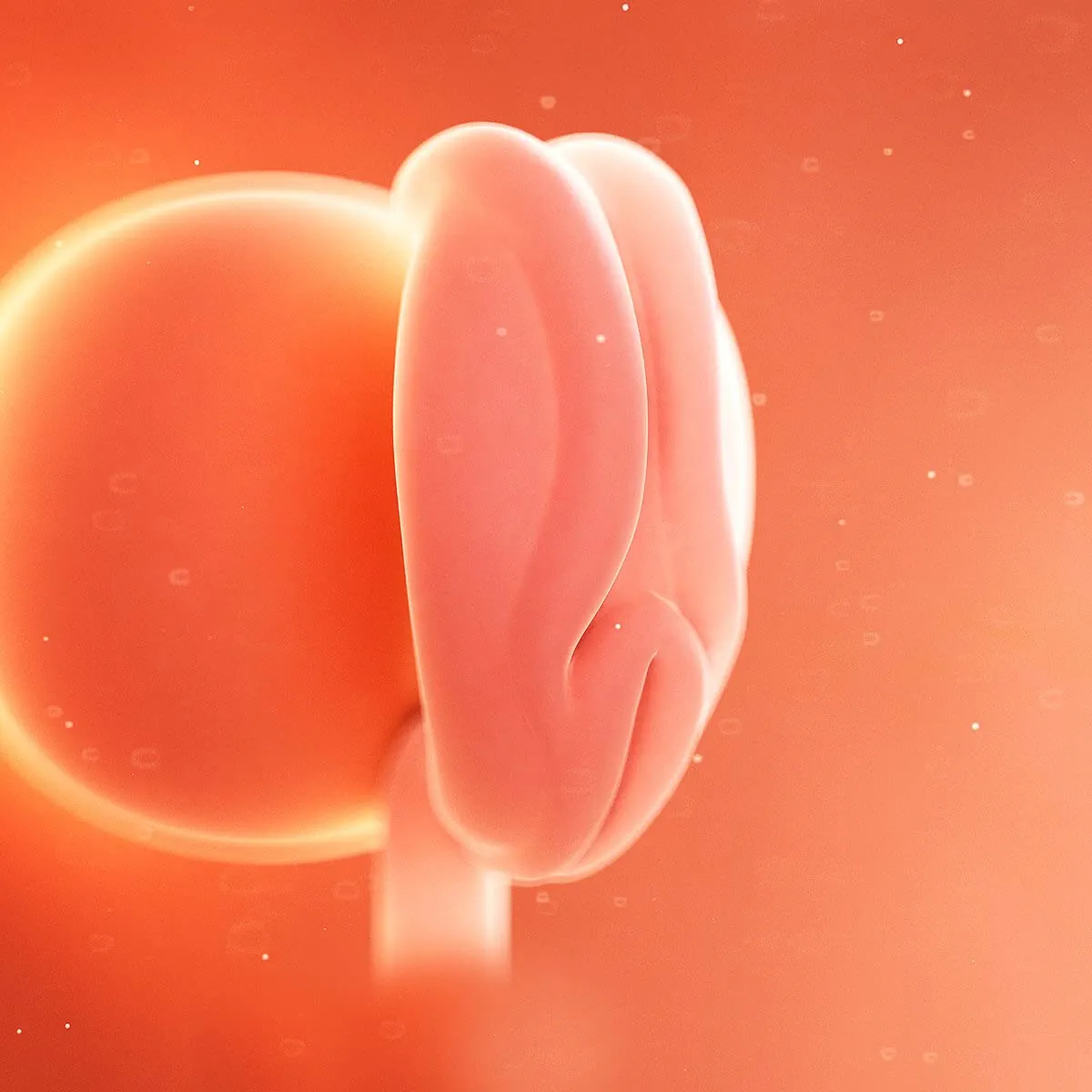
The fourth week of pregnancy is one of the most important and exciting stages of the beginning of pregnancy, because it is precisely in this week that fertilization and implantation (implantation of the embryo in the uterus) occur, and the mother’s body officially enters the gestation period. Many women are not yet aware of their pregnancy, but big changes are happening inside their bodies. From the increase in hormone levels to the beginning of the formation of a new creature in the uterus, everything is moving at a remarkable speed this week.
If your period has not come on time and is a few days late, it is probably time to take a pregnancy test. At this time, the hCG hormone (pregnancy hormone) can be detected in your blood and urine, which is what makes a pregnancy test positive.
In fact, the fourth week is considered the actual beginning of pregnancy; that is, when the embryo is implanted in the uterus and the mother’s body begins to nourish and protect it.
🩸 What exactly is happening in your body during the fourth week of pregnancy?
In the fourth week of pregnancy, the fetus is still very small, but what happens in the mother’s body and inside the uterus sets the stage for its nine months of growth and development. This week is actually the beginning of the actual pregnancy; the moment the fertilized egg implants in the uterus and pregnancy hormones begin to be secreted.
Let’s take a step-by-step look at what’s happening in your body 👇
🧬 Implantation
In the early days of the fourth week, the blastocyst (fertilized egg cell) enters the uterus from the fallopian tube and implants in its inner wall (endometrium).
The implantation process usually occurs between days 6 and 10 after fertilization and may be accompanied by light spotting or a few drops of blood, which is completely normal.
At this stage, the mother’s body begins to establish a blood connection with the fetal cells to provide the nutrients and oxygen needed for the embryo to grow.
🩸 Formation of the Yolk Sac and Placenta
After the embryo implants, two vital structures form:
- Yolk sac: The first source of nutrition for the embryo until the placenta forms.
- Placenta: An amazing structure that will be responsible for the transfer of nutrients, oxygen, and hormones between the mother and the fetus.
At this time, the placenta is not yet complete, but it is forming and attaching to the uterine wall to fully take over the task of nourishing and supporting the fetus in the coming weeks.
🧪 hCG Starts to Secrete and Why Your Pregnancy Test Is Positive
One of the most important events this week is the release of the hormone human chorionic gonadotropin (hCG) by the cells of the developing placenta. This hormone is the same substance that home pregnancy tests detect.
As hCG levels rise, your body sends messages to your ovaries to prevent the release of new eggs and to maintain the thickness of your uterine lining.
From this week on, hCG levels double approximately every 48 to 72 hours. This rapid increase is one of the signs of a healthy pregnancy and is the basis for many of the early pregnancy symptoms (such as nausea, fatigue, and breast tenderness).
In fact, the fourth week of pregnancy is a week when everything is happening microscopically but vitally. Nothing has changed on the outside of the mother’s body yet, but inside the womb, a tiny embryo is building a new world.
🤰 Signs and Symptoms of the Fourth Week of Pregnancy
In the fourth week of pregnancy, many women are still unaware that they are pregnant, as symptoms at this stage are usually mild and similar to premenstrual symptoms. But the body is undergoing major changes, and hormones (especially hCG and progesterone) create certain symptoms that can be the first clues to pregnancy.
🌿 Early Physical Symptoms in the Fourth Week of Pregnancy
At this stage, you may experience one or more of the following symptoms:
- Late Menstruation: This is the first clear sign of pregnancy. If your period was regular and is now a few days late, there is a high chance that you are pregnant.
- Tenderness and Heaviness of Breasts: Under the influence of the increase in the hormones progesterone and estrogen, your breasts become swollen and tender.
- Fatigue and Sleepiness: Your body is spending a lot of energy on the development of the fetus, so it is normal to feel weak and need to sleep.
- Bloating and a feeling of fullness in the abdomen: Hormonal changes cause slow bowel movements and gas retention.
- Increased Basal Body Temperature (BBT): If you measure your body temperature daily, you will notice a slight and steady increase.
- Vaginal discharge: It may be clearer and more slippery than usual.
- Light spotting: Some women experience pink or brown spotting when the egg implants in the uterus, which is a natural sign of pregnancy.
💫 Psychological and emotional symptoms
Hormonal changes don’t just affect your body, they also affect your emotions and mood. In the fourth week of pregnancy, you may:
- Have mixed emotions, such as sudden joy or crying for no reason.
- Experience anxiety or worry about your pregnancy and the future.
- Have an increased desire to sleep or be alone.
- Or, conversely, feel a lot of energy and excitement from the start of your pregnancy.
These changes are completely normal and are part of your body’s response to the increased levels of estrogen and progesterone.
⚖️ Differences between pregnancy symptoms and PMS
It can sometimes be difficult to distinguish pregnancy from menstrual symptoms, as both conditions have similarities. The following table will help you better understand the differences:
| Symbol | Pregnancy | PMS |
| Delayed menstruation |
Yes | No |
| Breast tenderness |
More intense and heavy | Usually mild |
| Spotting |
May occur during implantation days. | At the end of the cycle, near menstruation |
| Morning sickness |
Common from week 4 onwards | Rarely |
| Fatigue |
Continuous and early | Sometimes before menstruation |
| Lower abdominal pain |
Mild and transient | It may be more severe. |
So if you notice a delayed period, along with a few other symptoms, it’s time to take a home pregnancy test.
In the fourth week, these symptoms are still mild, but they signal a major change in your body — one that will become more apparent in the coming weeks.
👶 Fetal Status in Week 4 of Pregnancy
In the fourth week of pregnancy, the fetus is still very small — about the size of a poppy seed or sesame seed — but despite its microscopic size, cell growth and division are occurring at an incredible rate. In fact, the foundations of all the body’s organs begin to form this week.
🧫 Size and Shape of the Embryo
The embryo is about 1 to 1.5 millimeters long at week 4 and doesn’t yet look like a baby. At this stage, it is a small cluster of cells called a blastocyst.
This blastocyst implants itself in the uterine wall and begins to form the structures that will become the embryo, placenta, and amniotic sac in the coming weeks.
On very detailed ultrasounds (which are usually best seen from week 5 onwards), only the gestational sac may be visible, not the embryo itself. This sac will be where the embryo will grow and be protected in the coming months.
🌱 Formation of embryonic layers (Ectoderm, Mesoderm and Endoderm)
One of the most important events this week is the division of the blastocyst cells into three main layers. Each of these layers will later form a specific part of the embryo’s body:
- Ectoderm: The outer layer that will become the skin, hair, nails, eyes and nervous system (brain and spinal cord).
- Mesoderm: The middle layer that will form organs such as the heart, muscles, bones, kidneys and circulatory system.
- Endoderm: The inner layer that will become the basis of the digestive tract, liver, lungs and bladder.
That’s why experts say:
“In the fourth week of pregnancy, the general outline of the human body is taking shape.”
❤️ Cell division begins and organs begin to form
At this stage, cells are constantly dividing and specializing. Some cells will go on to form the embryo, while others will form the placenta and protective sacs.
Although no organs have yet formed, the path to the development of the heart, brain, and spine has begun. In weeks 5 and 6, the heart will have its first beat.
Alongside the embryo, the yolk sac is also working to provide nutrients to the developing cells until the placenta is complete and takes over the task of feeding them.
Overall, the fourth week of pregnancy is a stage where new life is taking shape at the cellular level. Nothing may be visible on the outside yet, but inside the mother’s body, one of the most complex and beautiful processes of creation is taking place.
🤰 Changes in the mother’s body in the fourth week of pregnancy
In the fourth week of pregnancy, the appearance of the mother’s body may not have changed noticeably yet, but inside the body, many hormonal and physiological changes have begun. These changes are necessary to maintain the pregnancy, develop the fetus, and prepare the body for the next stages.

🌸 Hormonal Changes and the Role of Progesterone
Hormones are the main heroes this week. As the embryo implants in the uterine wall, the following hormone levels increase:
- HCG (pregnancy hormone): Secreted by the placenta, it helps to maintain the fertilized egg and prevent menstruation.
- Progesterone: Prepares the uterus to hold the embryo, prevents uterine contractions, and thickens the uterine wall.
- Oestrogen: Helps breast tissue grow and increases blood flow to the uterus.
The combination of these hormones causes symptoms such as fatigue, mood swings, breast tenderness, and morning sickness.
💧 Changes in Vaginal Discharge and Body Temperature
In the fourth week, many women notice an increase in vaginal discharge. This discharge is usually clear, odorless, and slippery, and helps maintain a healthy, moist environment for the uterus.
If the discharge is of an abnormal color (yellow, green, or has a foul odor), you should consult a doctor.
On the other hand, your basal body temperature (BBT) usually remains elevated. If you have been charting your daily temperature, you will notice that it remains about 0.5 degrees Celsius higher than normal during this week — a sign that your pregnancy is continuing.
🩸 Changes in the uterus and cervix
Due to increased hormones:
- The wall of the uterus becomes thicker and more blood-filled so that the embryo can implant and be nourished.
- The cervix becomes softer and slightly swollen.
- Some women may feel a slight heaviness or pulling in the lower abdomen, which is caused by the growth of the uterus.
These changes are usually normal and are a sign of the body adapting to the new conditions.
All in all, your body is secretly preparing for the months ahead in the fourth week of pregnancy. Although you may not see any changes on the outside, inside, your body has begun one of the most complex biological processes.
🩺 Important precautions in the fourth week of pregnancy
The fourth week is the official start of pregnancy; that is, when you should change your lifestyle, nutrition, and daily care in a targeted manner. From this week onwards, every behavior you do can directly affect the development and health of the fetus.
Below, we review the most important measures and medical recommendations for the fourth week of pregnancy 👇
🧪 Take a Home Pregnancy Test and Blood Test
If your period is a few days late, it’s time to take a pregnancy test.
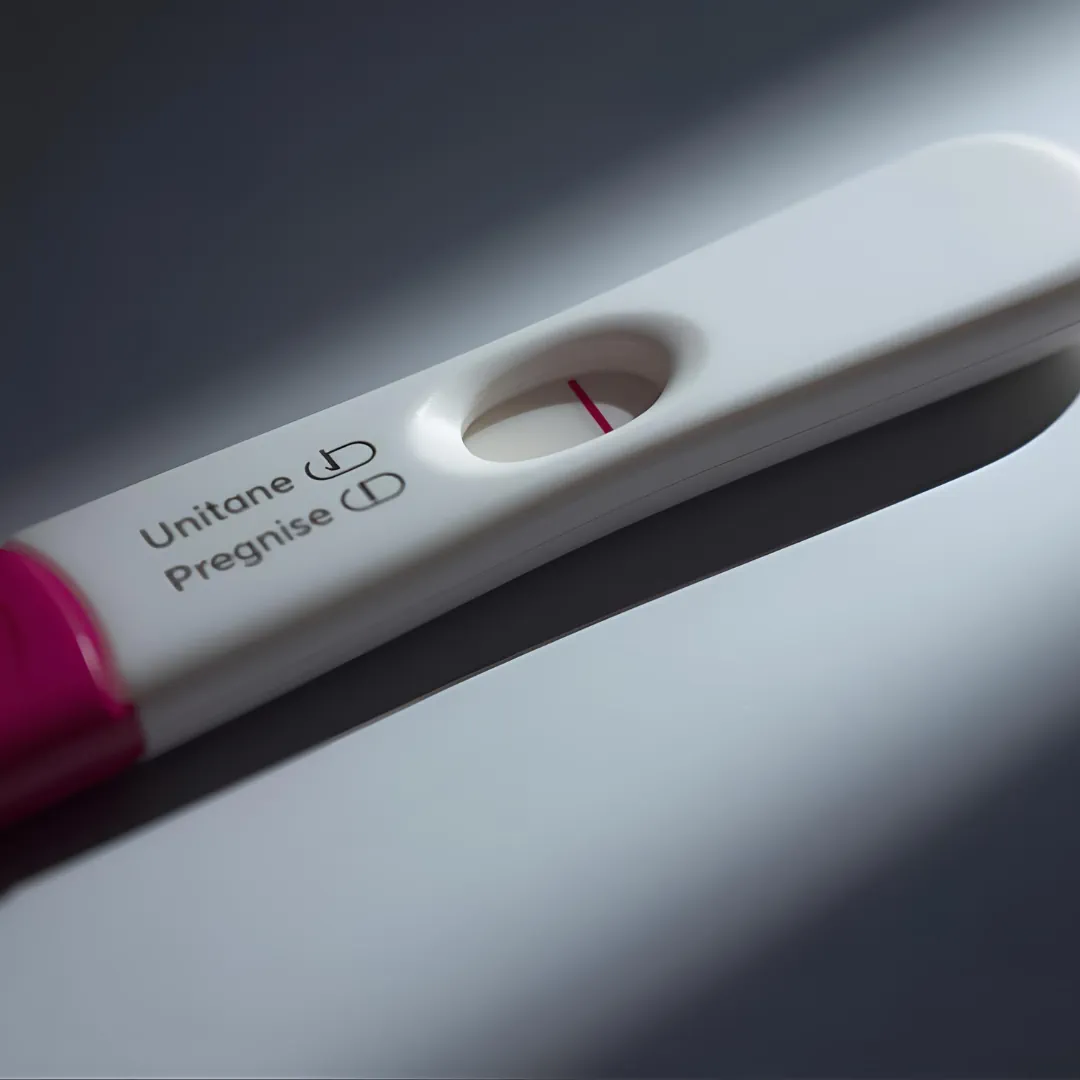
There are two main methods for confirming pregnancy:
- Home pregnancy test (Urine Test): Using a dipstick test, the presence of the hCG hormone in the urine is detected. It is best to do this test in the morning with your first urine to get the most accurate result.
- Blood Test: This is done in a laboratory and is the most accurate method for diagnosing pregnancy, as it detects even very small amounts of hCG.
If the test is positive, it is time to visit your gynecologist for your first visit to begin your care plan.
💊 Start taking folic acid and pregnancy vitamins
You should start taking pregnancy supplements from the fourth week of pregnancy. The most important of them are:
- Folic acid: The most important supplement in the first trimester of pregnancy. Taking 400 to 800 micrograms of it daily prevents neural tube defects in the fetus.
- Vitamin D and iron: You can start taking them after consulting a doctor to prevent anemia and bone weakness.
- Calcium: It is essential for the development of the fetus’ bones.
The important thing is to avoid taking supplements or herbal medicines without your doctor’s approval.
🥗 Pay attention to nutrition and avoid certain foods
This week, you should have a healthy and balanced diet.
The main nutritional recommendations are:
- Increase your intake of fruits, vegetables, whole grains, and healthy proteins such as chicken, eggs, and low-mercury fish.
- Drink at least 8 glasses of water daily to keep your body hydrated.
- Avoid excessive caffeine (more than two cups of coffee per day).
- Avoid alcohol, cigarettes, fast food, sausages, and fish such as tuna or swordfish, which may contain high levels of mercury.
A healthy diet in these early weeks lays the foundation for your fetus’s health.
😴 The importance of sleep and mental peace
Your body is adapting to new conditions, so you need enough rest.
- Sleep at least 8 hours at night.
- During the day, if you feel tired, lie down for a few minutes or take a short nap.
- Avoid stress and anxiety, as stress can negatively affect hormone levels and the development of the fetus.
Calm breathing exercises, soft music, and walking outdoors can help you relax.
🥗 Proper nutrition in the fourth week of pregnancy
In the fourth week of pregnancy, a healthy and balanced diet is one of the most important factors for the healthy development of the fetus and the well-being of the mother. At this stage, the fetus is still very small, but its cells are dividing very quickly, so your body needs special nutrients to support this rapid growth.

🌾 Nutrients that are beneficial for fetal cell growth
In the early weeks of pregnancy, your diet should be rich in substances that help form the brain, spinal cord, and nerve cells of the fetus.
These substances include the following:
- Folic acid (vitamin B9): It is the most vital substance at this stage. Its deficiency can cause neural tube defects in the fetus.
🔹 Food sources: Green leafy vegetables (spinach, broccoli, parsley), lentils, chickpeas, and whole grain breads. - Protein: Essential for building new fetal tissues.
🔹 Sources: Lean meat, chicken, healthy fish (such as trout), eggs, legumes, and dairy products. - Iron: Essential for producing red blood cells and transporting oxygen to the fetus.
🔹 Sources: Chicken liver, red meat, spinach, lentils, and black raisins. - Calcium: Important for the formation of the fetus’s future bones and teeth.
🔹 Sources: Milk, yogurt, cheese, almonds and sesame.
🥬 Natural sources of folic acid and iron
Although folic acid supplementation is essential, it is also important to consume it naturally through food.
To better combine folic acid and iron, it is recommended to:
- At each meal, combine plant sources of iron (such as lentils or beans) with sources of vitamin C (such as lemon or orange) to increase iron absorption.
- Avoid consuming tea and coffee immediately after meals, as it reduces iron absorption.
- Healthy snacks such as a combination of dates and nuts can be a good source of energy and iron.
🧁 Healthy Snacks to Control Nausea and Weakness
In the fourth week of pregnancy, some women experience morning sickness or low energy. To control these conditions, it is better to:
- Eat a few plain biscuits or dry toast in the morning before getting out of bed.
- Divide meals into 5 to 6 smaller meals a day.
- Avoid eating fatty, spicy, and fried foods.
- Suitable snacks include: fresh fruit, plain yogurt, nuts, whole-grain crackers, and light soups.
🚫 Foods to Avoid
In the fourth week of pregnancy, some substances can be dangerous for the fetus, including:
- Undercooked meat or eggs (risk of toxoplasmosis and salmonella)
- Soft, unpasteurized cheeses
- Alcoholic beverages
- Caffeine more than 200 mg per day (approximately the equivalent of two cups of coffee)
- Canned or smoked foods, which may contain harmful preservatives
In one sentence:
Nutrition in the fourth week of pregnancy is not food for two, but food for a growing body and an adapting body.
Every bite you eat is fuel for your body today and builds the bricks for your fetus’s growth tomorrow.
🧪 Tests and Ultrasounds in the Fourth Week of Pregnancy
Many new mothers discover they are pregnant in the fourth week. Although it is still too early to see the fetus on an ultrasound, a few simple tests can confirm the pregnancy and monitor its progress.
🧍♀️ Is an ultrasound necessary at week 4?
In most cases, an ultrasound at week 4 will not show anything yet.
At best, only the gestational sac may be visible, but the doctor usually waits until week 5 or 6 to see the embryo and yolk sac.
However, an ultrasound may be recommended earlier in the following cases:
- You have had a history of ectopic pregnancy or miscarriage.
- You have spotting or unusual pain in the abdomen.
- Your pregnancy test result is positive but clinical symptoms are not yet clear.
In such situations, a vaginal ultrasound is more accurate and can provide initial information about the condition of the uterus and ovaries.
🩸 Checking the level of hCG hormone in the blood
In the fourth week, the most important pregnancy test is measuring the level of hCG hormone.
- The amount of this hormone is low in early pregnancy but doubles every 48 to 72 hours.
- If the increase is normal, it is a sign of a healthy pregnancy.
- If the hCG level is abnormally high or low, the doctor may check for the possibility of an ectopic pregnancy or early miscarriage.
The approximate range of hCG hormone in the fourth week of pregnancy is between 5 and 426 mIU/mL. Of course, this value can vary from person to person and should be interpreted by the doctor.
⚠️ Things to see a doctor about
If you experience any of the following symptoms in the fourth week of pregnancy, it is essential to see a gynecologist:
- Frequent spotting or light bleeding
- Stabbing pain in the lower abdomen or sides
- Severe dizziness or sudden weakness
- Ambiguous pregnancy test results (for example, a positive test but low hCG)
These symptoms can indicate problems such as ectopic pregnancy or implantation failure, which are very important to diagnose early.
Finally, in the fourth week, the aim of further tests is to confirm the pregnancy and check the normal course of hormones. There is no need for repeated ultrasounds yet; but most importantly, it is important to remain calm and follow nutritional and medical care so that the fetus continues to develop in a natural way.
🧘♀️ Important Medical and Lifestyle Advice in the Fourth Week of Pregnancy
The fourth week is a time when a new mother is getting to know her pregnancy and her body is adjusting to the new situation. During this period, making a few simple lifestyle changes can help the fetus develop healthily and reduce possible complications.

🚭 Quit smoking, alcohol, and over-the-counter medications
At this stage, anything you put into your body can have a direct effect on your baby, because the placenta is still forming and the protective barrier is not yet fully formed.
- Smoking: Reduces oxygen delivery to the baby and increases the risk of miscarriage, premature birth, and low birth weight.
- Alcohol: Even small amounts can cause fetal alcohol syndrome (FAS), which affects the baby’s brain and facial development.
- Over-the-counter or herbal medications: Some medications are dangerous during pregnancy (such as ibuprofen, aspirin, certain sleeping pills, or antidepressants).
⛔ Talk to your doctor before taking any medication—even herbal ones.
🧠 The importance of stress management and mental health
Stress and anxiety in the early weeks of pregnancy can negatively affect hormonal balance and even implantation. To manage stress:
- Try deep breathing exercises and daily meditation.
- Use soft music or walk in a green space.
- Prioritize adequate sleep (7 to 9 hours a night).
- Talk to your partner about feelings and concerns; emotional support plays an important role in the mother’s peace of mind.
Remember: The mother’s mental peace creates a safe environment for the fetus to develop.
🤸♀️ Light and safe exercises for early pregnancy
You can still do physical activity in the fourth week of pregnancy, but in a gentle and controlled manner.
Physical activity helps improve blood circulation, sleep better, and reduce fatigue.
Suitable exercises include:
- Daily gentle walking
- Pregnancy yoga
- Light stretching
- Swimming (if approved by your doctor)
Avoid strenuous activities, jumping, long runs, or lifting heavy objects.
☀️ Exposure to sunlight and fresh air
Sunlight helps the body produce vitamin D, which is essential for the development of fetal bones.
Exposure to mild sunlight for about 15 to 20 minutes every day in the morning or evening, and take a vitamin D supplement if needed, in consultation with your doctor.
🧴 Skin and Body Care
Hormonal changes may cause acne, dryness, or dullness of the skin.
Use natural skin care products without harsh chemicals. Creams containing retinol, salicylic acid, or hydroquinone are not recommended during pregnancy.
In the fourth week of pregnancy, the main goal is to maintain a balance in everything: nutrition, sleep, relaxation, and body care. These habits will provide a solid foundation for the next nine months and will have a direct impact on the health of the fetus.
⚠️ Warnings and Danger Signs in the Fourth Week of Pregnancy
The fourth week of pregnancy is a sensitive time, as the embryo has just implanted in the uterus and the placenta has not yet fully formed. Being aware of the danger signs can help detect potential problems early and prevent serious complications.
🩸 Spotting or unusual bleeding
- Light spotting in the fourth week may be normal and is caused by the egg implanting in the uterus.
- But heavy bleeding, bright red, or with blood clots can be a sign of serious problems, such as early miscarriage or ectopic pregnancy.
- If you experience such bleeding, you should see a doctor immediately.
💢 Severe pain in the lower abdomen or flanks
- Mild, transient pain in the lower abdomen is usually normal and is caused by changes in the uterus.
- But severe, stabbing, or persistent pain on one side of the abdomen or flanks can be a sign of an ectopic pregnancy or ovarian cyst.
- This condition requires immediate medical attention.
⚡ Feeling dizzy, weak, or severely nauseous
- Mild morning sickness is normal in the fourth week.
- But severe nausea, repeated vomiting, dizziness, or low blood pressure may indicate dehydration and require evaluation by a doctor.
🔎 Other abnormal symptoms
- Pain or burning when urinating (may be a urinary tract infection)
- High fever
- Abnormal vaginal discharge with an unusual odor or color
All of these symptoms can be dangerous and require prompt investigation.
💡 Important: Any drastic changes in physical symptoms during the fourth week of pregnancy should not be ignored. Early detection of many problems increases the chances of a healthy pregnancy.
❤️ Tips for Sex in the Fourth Week of Pregnancy
In the fourth week of pregnancy, many women and their partners have questions about the safety of sex. At this stage, the mother’s body is still adjusting to pregnancy and the placenta has just formed, but most sexual intercourse is usually safe unless a doctor has specifically advised against it.
🛡️ Is it safe to have sex this week?
- If the pregnancy is healthy and there are no dangerous symptoms such as bleeding, severe pain or a previous miscarriage, sex is usually safe.
- Penetration does not harm the fetus, as the placenta and amniotic sac provide adequate protection for the embryo.
- Some women may have a reduced desire for sex due to breast tenderness, nausea or fatigue, which is normal.
⚠️ Conditions that should limit sex
If any of the following conditions are present, your doctor may limit sex until the problem is resolved:
- Spotting or vaginal bleeding
- Severe lower abdominal or back pain
- A history of miscarriage or premature birth
- Multiple pregnancies or placental problems
In these cases, your doctor will provide the best advice to protect the health of the mother and fetus.
💡 Practical tips for comfort and safety
- Use comfortable positions without excessive pressure on the abdomen
- Avoid sudden movements or jumping
- Maintain calm and good communication with your partner
Healthy sex in the fourth week, if there are no problems, usually does not pose a risk to the mother and fetus and can even help strengthen emotional connection and reduce stress.
💖 Mother’s Emotions in Early Pregnancy
The fourth week of pregnancy is a time when the mother’s body and mind are undergoing rapid changes. The surge in hormones, physiological changes, and the excitement of pregnancy all cause the mother’s emotions and mood to fluctuate.
😌 Emotional reactions and mood swings
- Mood swings: You may experience sudden joy, anxiety, or even crying for no reason.
- Fear and worry: Many mothers worry about the health of the fetus, the course of the pregnancy, or the success of implantation.
- Excitement and anticipation: On the other hand, some mothers feel very excited and motivated about pregnancy.
These changes are completely normal and are usually controlled by increasing awareness and calmness.
👩❤️👨 The role of spouse and family support
Emotional support from spouse and family is very important in the early weeks of pregnancy. Some key points include:
- Talking and sharing feelings: Talking with your spouse about concerns and emotions can reduce psychological stress.
- Participating in care: Your spouse’s help with nutrition, rest, and medical plans can help the mother feel more comfortable.
- Emotional support: Family can increase the mother’s sense of security and peace by being present and encouraging.
💡 Practical tips for managing emotions
- Daily journaling of mood and physical changes
- Practice meditation or deep breathing daily
- Attending calming and positive gatherings
By managing emotions in the fourth week, the mother is prepared to continue her pregnancy with awareness and peace, and a safe and positive environment is provided for the development of the fetus.
❓ Frequently Asked Questions About the Fourth Week of Pregnancy
The fourth week of pregnancy is usually accompanied by many questions. Below, we will discuss the most common questions and their scientific answers:
1️⃣ Can pregnancy be seen on ultrasound in the fourth week?
- At this week, the fetus is usually not yet visible and only the gestational sac may be seen with a vaginal ultrasound.
- To see the fetus and yolk sac, you usually have to wait until the fifth or sixth week.
2️⃣ Is spotting normal in the fourth week?
- Light spotting is normal for some women and is caused by the egg implanting in the uterine wall.
- Heavy bleeding, bright red, or accompanied by pain, requires medical attention.
3️⃣ When should you take a pregnancy test?
- The best time to take a home test is a few days after your period is late.
- For the most accurate result, you can get a blood test for hCG.
4️⃣ Is sex safe in the fourth week of pregnancy?
- If the pregnancy is healthy and there are no dangerous symptoms, sex is usually safe.
- If you have bleeding, severe pain, or a history of pregnancy problems, you should consult a doctor.
5️⃣ What foods and supplements should be consumed?
- Folic acid, iron, calcium, and vitamin D are essential.
- Eating healthy foods such as fruits, vegetables, whole grains, healthy proteins, and avoiding excessive alcohol and caffeine are recommended.
6️⃣ What are the signs that something is wrong?
- Severe spotting or bleeding
- Severe pain in the lower abdomen or sides
- Severe dizziness, weakness, or nausea
- Abnormal vaginal discharge or fever
If you experience these symptoms, you should see a doctor immediately.
These questions are the most common concerns of mothers in the fourth week of pregnancy, and answering them will help you relax and better manage this stage.
✅ Summary and Key Points of the Fourth Week of Pregnancy
The fourth week of pregnancy is the real beginning of a 9-month journey. This week, the embryo has just implanted in the uterus and the mother’s body is adjusting itself to support the growth of the fetus. Although the external changes may not yet be noticeable, vital and complex events are taking place inside the mother’s body.
🔹 Key Points of the Fourth Week:
- Embryo Implantation: The blastocyst attaches to the uterine wall and the foundation for fetal development is formed.
- Start of secretion of the hCG hormone: Causes a positive pregnancy test and maintains the condition of the uterus.
- Early pregnancy symptoms: Delayed menstruation, breast tenderness, fatigue, mild spotting, and mood swings are among the most common.
- Fetal status: The fetus is still microscopic, but cell division and the formation of fetal layers have begun.
- Medical care: Take a pregnancy test, take essential supplements such as folic acid and vitamins, and see a doctor if there are any danger signs.
- Healthy nutrition and lifestyle: A balanced diet, light exercise, adequate sleep, stress reduction, and avoidance of alcohol, smoking, and unnecessary medications are very important.
- Warnings and danger signs: Heavy spotting, bleeding, severe abdominal pain, dizziness, severe nausea, and abnormal vaginal discharge require immediate follow-up.
- Emotional support: Communication with your spouse and family and managing mood swings help the mother relax.
💡 Final message
The fourth week of pregnancy is a week full of hope, excitement, and hidden changes. Following medical, nutritional, and psychological tips creates a solid foundation for a healthy pregnancy. Every small action you take is actually an investment in your own health and your child’s future.



No comment