
Introduction
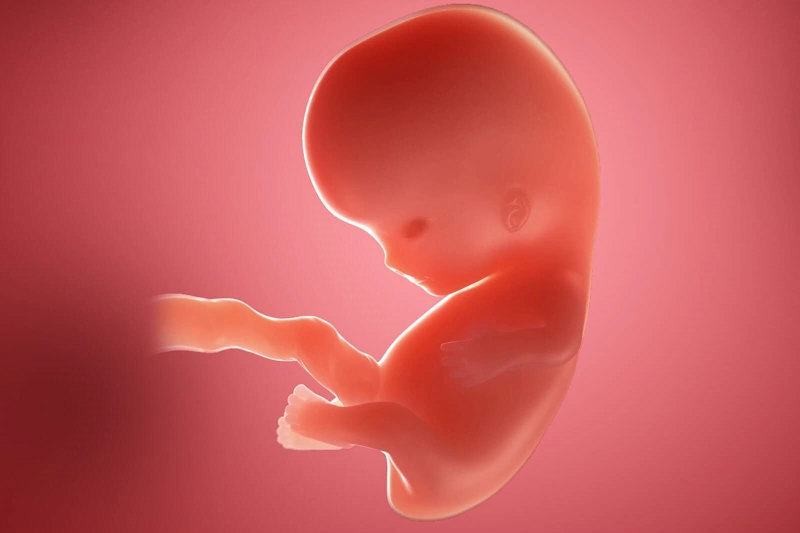
By the end of the second month, your baby is less than 2.5 cm long. At this stage, the central nervous system and major organs are almost fully developed. The heart has four chambers, and the heartbeat is strong and steady at around 160 beats per minute — faster than your own heart after heavy activity!
Changes in Your Baby During the Eighth Week
At this stage:
- Your baby’s head is more aligned with the body.
- Skin has formed but is still transparent.
- Although the genital organs are forming, it’s still impossible to determine the baby’s sex via ultrasound.
- Eye structures are fully developed.
- Tiny ears, wrists, elbows, and knees are visible.
Finally, your baby now resembles a miniature newborn. What was once a cluster of cells (zygote) is now a fetus, and soon your baby will begin moving.
First Ultrasound
Many expectant mothers look forward to their first ultrasound, a painless procedure using sound waves to create images of the baby. Most first ultrasounds are performed between weeks 10 and 12, although sometimes earlier or more frequent scans are recommended in cases of high-risk pregnancy or previous complications.
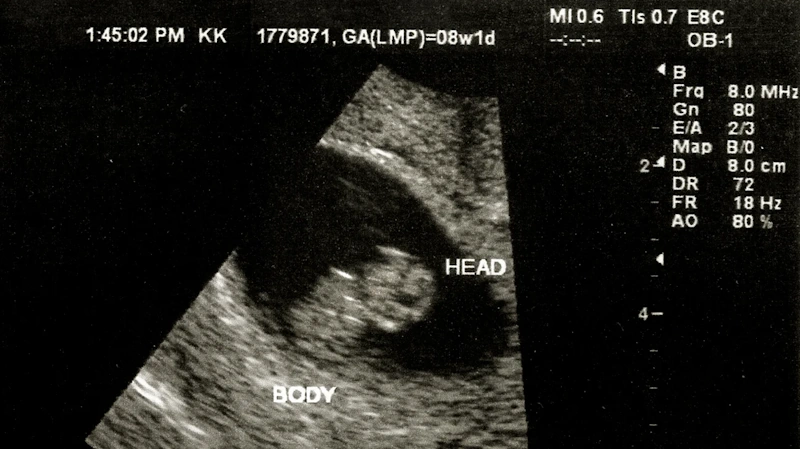
Ultrasound can show:
- Fetal heartbeat
- Umbilical cord and placenta
- Whether you are carrying multiples
Your doctor may use a transvaginal probe early in pregnancy for clearer imaging. Ultrasound is safe and an invaluable tool for monitoring fetal growth, although it cannot guarantee perfect health or detect every anomaly.
Your Body in the Eighth Week
Regular Prenatal Check-ups
Regular prenatal visits are essential to:
- Monitor your pregnancy progress
- Perform necessary tests
- Provide guidance on childbirth classes and other preparations
Typical check-up schedule (if pregnancy is normal):
- Weeks 4–28: once a month
- Weeks 28–36: every 2–3 weeks
- Week 36–birth: weekly
Managing Illnesses
Colds: Rest, hydration, warm soups, and saline nasal sprays are safe. Acetaminophen is the safest pain reliever.
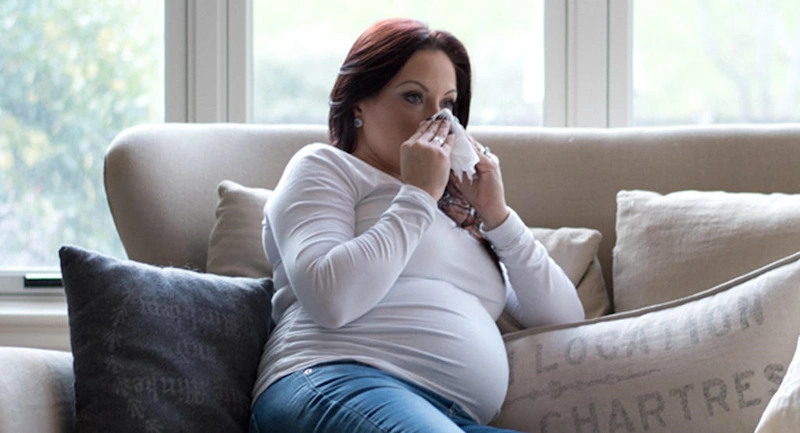
Flu: High fever can increase the risk of complications; antiviral medication may be prescribed. Vaccination is safe at all pregnancy stages.
Allergies: Use humidifiers, and consult your doctor about safe antihistamines or inhaled steroids.
Workplace Safety
During pregnancy, be aware of:
- Chemicals (e.g., solvents, paints, cleaning agents, lead)
- Radiation (X-rays or ionizing waves)
- Heavy lifting
Always wear protective equipment and request a safe work environment.
Your Well-being

Safe Work Practices
- Limit standing for long periods; take breaks every hour.
- Use ergonomic chairs and supportive footwear.
- Reduce stress and avoid physically demanding tasks.
Sleep and Dreams
Hormonal changes may cause vivid or unusual dreams. Nightmares about birth or your baby’s appearance are normal and reflect your natural anxiety and concern for the child.
Diet and Exercise

Increased Iron Needs
Iron is crucial for red blood cell production. During pregnancy, your iron requirement doubles. Insufficient iron can cause anemia, fatigue, and low birth weight. Foods rich in iron include:
- Lean red meat
- Fish (low mercury)
- Spinach and other leafy greens
- Lentils and beans
- Iron-fortified cereals
- Dried fruits
Vitamin C (from orange juice, strawberries, or peppers) helps improve iron absorption.
Caloric Intake
Contrary to common belief, you do not need to eat for two. In the first trimester, an extra 300 calories per day is sufficient. Focus on nutritious, natural foods, such as:
- Low-fat yogurt with fruit
- Baked potato with cheese and broccoli
- Whole-grain toast with peanut butter
- Turkey sandwich with whole-grain bread, lettuce, and tomato
Exercise
Safe activities include:
- 20–30 minutes of daily walking
- Prenatal yoga and gentle stretches
- Breathing exercises and meditation
Avoid high-impact sports, heavy lifting, or activities with a risk of falling.
Common Questions in the Eighth Week
When visiting your doctor, you may want to ask:
- How much weight gain is normal?
- Are there workplace hazards I should avoid?
- Could any activity I’ve done harm the baby?
- Which tests for infections or STDs are recommended?
- What exercises are safe for me?
- Which tests do you recommend based on my age and medical history?
- How can I reach you between visits?
- How can I find prenatal classes?
- Can I bring my partner or a friend to appointments?
- If I had a previous C-section, can I try natural delivery this time?
📌 Tip: Write down your questions in advance so nothing is forgotten during your visit.
Summary
In week eight of pregnancy, balanced nutrition, adequate sleep, stress management, and safe exercise are essential. Regular check-ups, workplace safety, and understanding your body’s changing needs will help ensure a healthy pregnancy and baby.
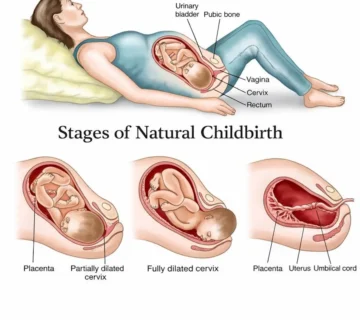



[…] first prenatal checkup usually occurs between weeks 8 and […]