
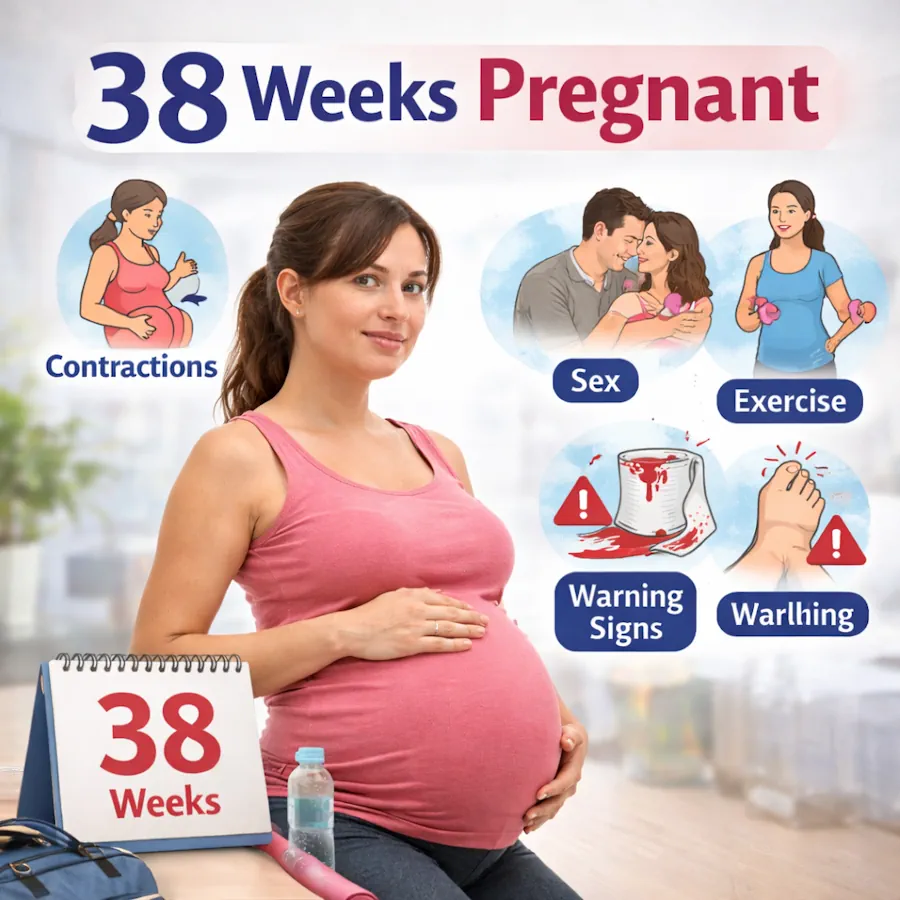
In week 38 of pregnancy, the fetus is almost fully prepared for birth, and most vital organs and reflexes have reached maturity. During this week, the baby continues to store body fat, which helps regulate body temperature after birth. Many mothers experience symptoms at this stage that may indicate the approach of labor. Being aware of maternal body changes, fetal development, and warning signs during week 38 plays an important role in ensuring a safe and calm delivery.
Fetal Development in Week 38 of Pregnancy
By week 38 of pregnancy, the fetus has reached near-complete growth and is physiologically well prepared for birth. The baby’s weight is typically over 2,700 grams, and length is approximately 48–50 centimeters. Vital organs are fully developed, and the fetus continues accumulating fat to better regulate body temperature after birth.
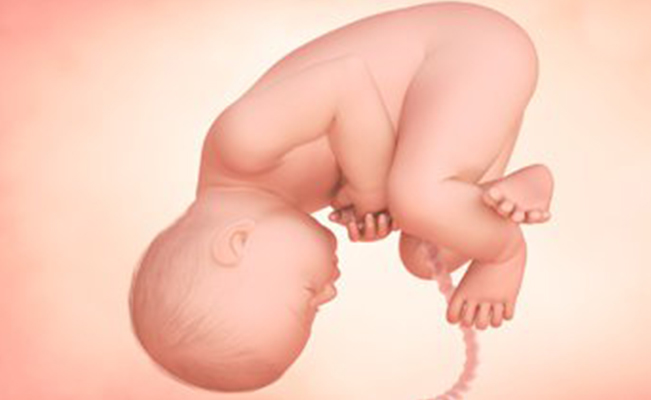
At this stage, the placenta is close to its maximum size, usually measuring 15–20 centimeters in diameter and 2–3 centimeters in thickness. Enlargement of the uterus and placenta may cause a sensation of heaviness, pelvic pressure, and swelling of the legs, which are common maternal symptoms at this time.
Due to limited space inside the uterus, the fetus can no longer flex the elbows and knees as easily as before. However, fetal movements should remain regular and noticeable. A significant decrease in fetal movements during week 38 requires immediate medical evaluation.
The fetal heart rate during this week is typically 120–160 beats per minute. Many mothers also experience fetal hiccups, which occur due to swallowing amniotic fluid and indicate respiratory system maturation. These rhythmic movements may sometimes be visible through the maternal abdomen.
The lungs are nearly fully developed, although final maturation continues until birth. The umbilical cord, which provides the vital connection between the fetus and placenta, usually measures 30–90 centimeters, with an average length of 50–60 centimeters. It has a whitish, coiled appearance and is responsible for delivering oxygen and nutrients to the fetus.
Your Body in Week 38 of Pregnancy
Headaches in Week 38: Normal or Concerning?
Headaches during week 38 of pregnancy may result from fatigue, stress, sinus problems, hormonal changes, or a history of migraines. In some women, hormonal fluctuations intensify headaches late in pregnancy, although many experience improvement during the third trimester.
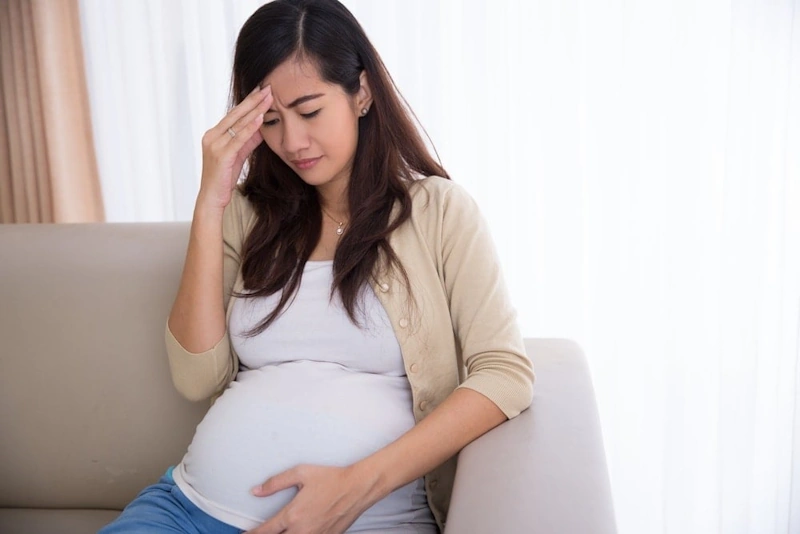
If headaches persist, it is helpful to track their pattern, including onset, duration, severity, and triggers. This can assist in identifying causes and preventing recurrence. Common contributors include work-related stress, anxiety about labor, or concerns about caring for a newborn.
Ways to Reduce Headaches in Week 38
-
Avoid stressors and ensure adequate rest
-
Engage in light walking and fresh air exposure
-
Apply a cold compress to the forehead or neck for throbbing headaches
-
Place a warm compress on the feet to help regulate blood flow
-
For sinus or allergy-related headaches, keep the environment cool and consider air purification
Acetaminophen (paracetamol) is generally considered safe during the third trimester, but any medication should be taken under medical guidance. For migraines, resting in a dark, quiet room and sleeping may help.
⚠️ Important:
Severe, persistent headaches that do not respond to usual treatment may indicate preeclampsia and require immediate medical attention.
Vision Changes in Week 38 of Pregnancy
Hormonal changes during the third trimester can cause fluid retention in tissues, sometimes affecting vision. Temporary changes in near- or farsightedness may occur, making existing glasses less effective.

Increased estrogen levels may also lead to dry eyes due to reduced tear production, resulting in symptoms such as:
-
Blurred vision
-
Eye irritation or redness
-
Light sensitivity
During this time:
-
Avoid wearing contact lenses if uncomfortable
-
Use pregnancy-safe artificial tears
-
Wear sunglasses in bright light
Changes in vision are usually temporary and resolve after delivery. Therefore, refractive eye surgery should be postponed until at least six months postpartum.
⚠️ Seek immediate medical care if sudden vision changes, double vision, or flashing lights occur—especially if accompanied by headache—as these may be signs of preeclampsia.
About Yourself in Week 38 of Pregnancy
Nesting Instinct in Late Pregnancy

In the final weeks of pregnancy, many women experience a sudden surge of energy and a strong urge to clean and organize their home. This behavior, known as the nesting instinct, is hormonally driven and completely normal.
Preparing baby clothes, organizing supplies, and decluttering can be helpful. However, avoid:
-
Heavy lifting
-
Climbing ladders
-
Major home renovations
Conserving energy is essential at this stage.
Need for Solitude and Calm
It is natural to feel less inclined to leave home during week 38 due to the proximity of labor and concerns about membrane rupture or contractions. Staying home and resting is perfectly acceptable.
However, maintaining social connection is important. Short visits or simple gatherings with family or friends can help prevent feelings of loneliness, stress, or depression. Maternal emotional well-being directly affects fetal health.
Summary
In week 38 of pregnancy, monitoring physical symptoms, managing headaches, protecting vision, and maintaining emotional calm are essential for preparing for labor.
Is It Time for Labor at Week 38 of Pregnancy?
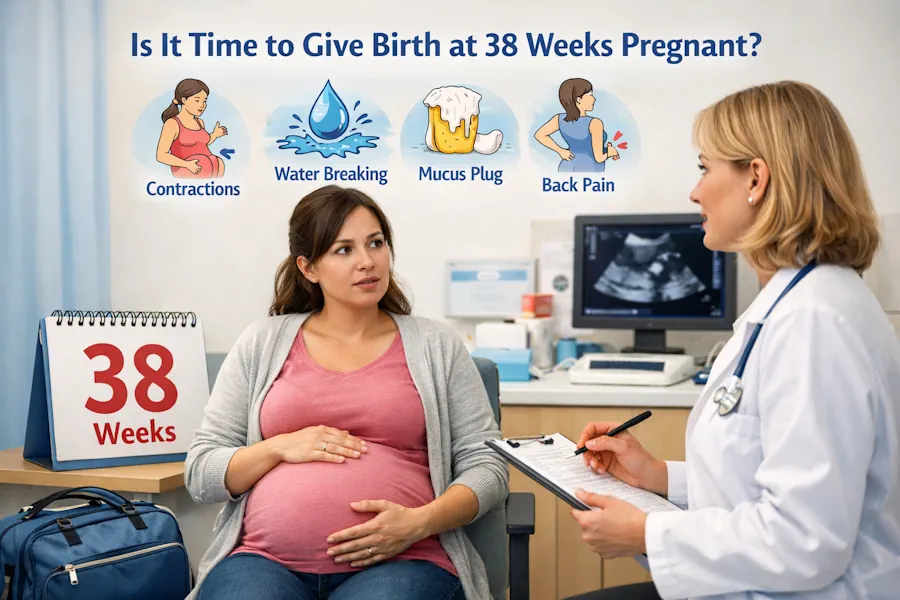
Labor at week 38 of pregnancy is considered normal, and many babies are born at this time. However, the exact onset of labor cannot be predicted and may occur during this week or later. The body usually shows signs of readiness before labor begins.
Signs Labor May Be Approaching
-
Regular uterine contractions increasing in intensity and frequency
-
Pelvic pressure or the baby “dropping”
-
Increased vaginal discharge or passage of bloody mucus (bloody show)
-
Persistent lower back pain radiating to the thighs
-
Rupture of membranes (water breaking), sudden or gradual
One sign alone does not necessarily indicate labor, but a combination may suggest true labor.
Difference Between True Labor and False Labor
Many women experience Braxton Hicks contractions, which can be mistaken for labor.
True labor contractions:
-
Regular and progressive
-
Do not improve with rest or position changes
-
Increase in intensity over time
False labor contractions:
-
Irregular
-
Improve with rest or movement
-
Intensity remains stable
When to Go to the Hospital
Seek immediate medical care if you experience:
-
Regular contractions every 5 minutes for one hour
-
Rupture of membranes
-
Vaginal bleeding
-
Decreased or absent fetal movements
-
Severe pain accompanied by headache or visual changes
Can Labor Be Delayed Beyond Week 38?
Yes. Even with signs of readiness, labor may occur later. If maternal and fetal conditions are normal, physicians typically allow labor to begin naturally and induce only when medically indicated.
Warning Signs in Week 38 of Pregnancy (Very Important)
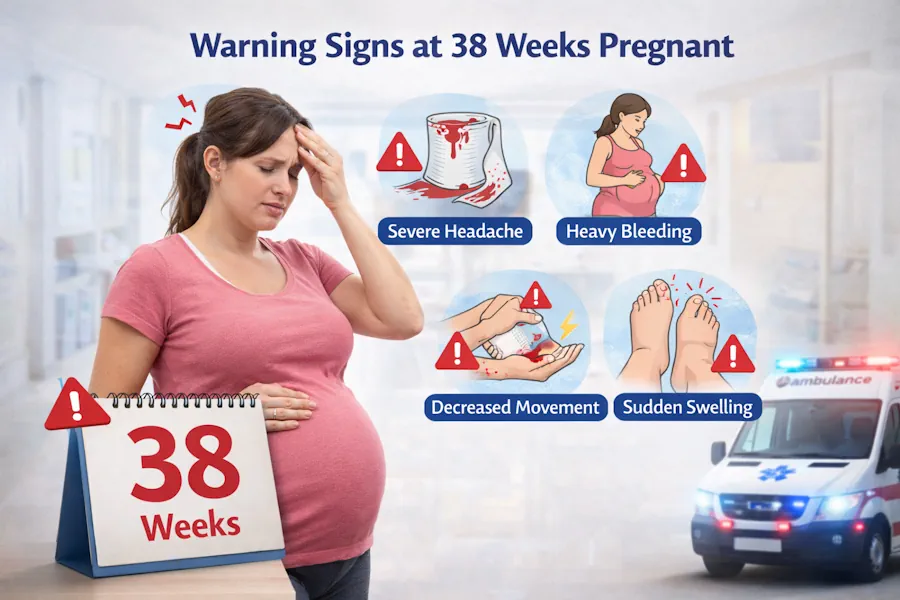
While most changes are normal, certain symptoms require urgent medical attention:
-
Reduced or absent fetal movements
-
Significant vaginal bleeding
-
Rupture of membranes
-
Severe, regular abdominal pain
-
Persistent severe headache
-
Blurred vision, double vision, or visual disturbances
-
Sudden swelling of face, hands, or feet
-
Sudden rise in blood pressure
-
Fever, chills, or signs of infection
Decreased Fetal Movement
Fetal movements should remain regular. If fewer than 10 movements are felt within two hours, seek immediate medical evaluation.
Signs of Preeclampsia
-
Severe headache
-
Visual disturbances
-
Upper abdominal pain
-
Sudden swelling
-
High blood pressure
Prompt medical care is essential.
Is All Pain Dangerous in Week 38?
No. Mild pelvic discomfort, lower abdominal pressure, and mild back pain can be normal.
However, severe or progressive pain with abnormal symptoms requires immediate evaluation.
Sexual Intercourse in Week 38 of Pregnancy
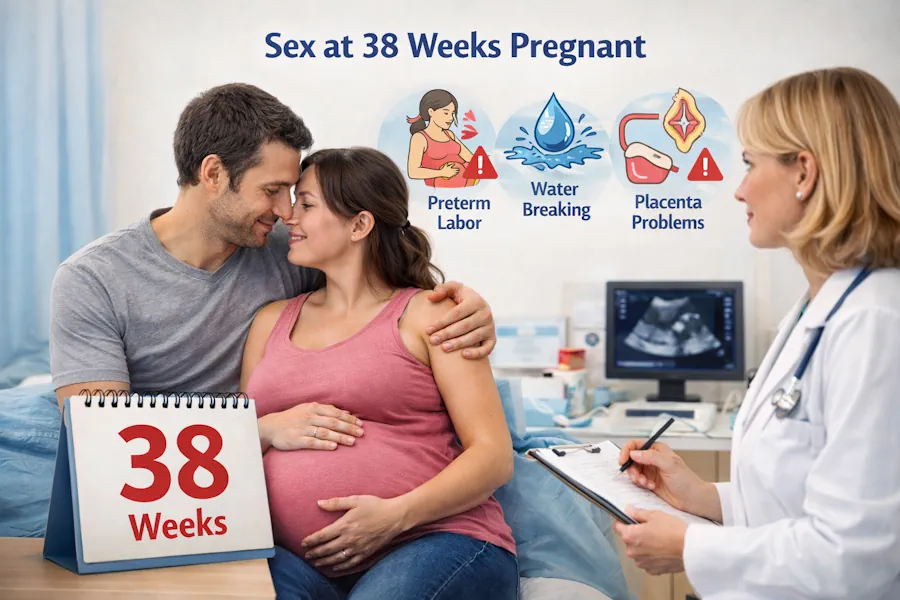
In uncomplicated pregnancies without medical restrictions, sexual intercourse is generally safe in week 38. The fetus is well protected by the amniotic sac and uterine muscles.
Libido may increase or decrease due to physical and hormonal changes, which is normal.
Can Sex Trigger Labor?
Intercourse may stimulate uterine activity due to:
-
Prostaglandins in semen
-
Nipple stimulation leading to oxytocin release
However, it will not induce labor unless the body is already prepared.
Safety Tips
-
Choose positions that avoid abdominal pressure
-
Avoid rough or deep penetration
-
Prioritize maternal comfort
-
Maintain proper hygiene
Stop intercourse if pain or strong contractions occur.
When Is Sex Not Recommended?
-
Vaginal bleeding
-
Ruptured membranes
-
History of preterm labor
-
Placenta previa or cervical issues
-
Direct medical advice to avoid intercourse
Nutrition in Week 38 of Pregnancy

Nutrition supports maternal energy, labor preparation, and fetal health. Focus on light, nutrient-dense, easily digestible meals.
Recommended Foods
-
High-quality proteins (eggs, poultry, low-mercury fish, legumes, pasteurized dairy)
-
Fresh fruits and vegetables, especially leafy greens
-
Whole grains for fiber
-
Iron-rich foods
-
Calcium and vitamin D sources
Adequate hydration is essential.
Foods to Limit
-
Fried or heavy foods
-
High-sodium foods
-
Excess sugar
-
Excess caffeine
-
Raw or undercooked foods
Can Certain Foods Induce Labor?
There is no strong scientific evidence. Moderate date consumption may help cervical ripening if no contraindication exists.
Exercise in Week 38 of Pregnancy
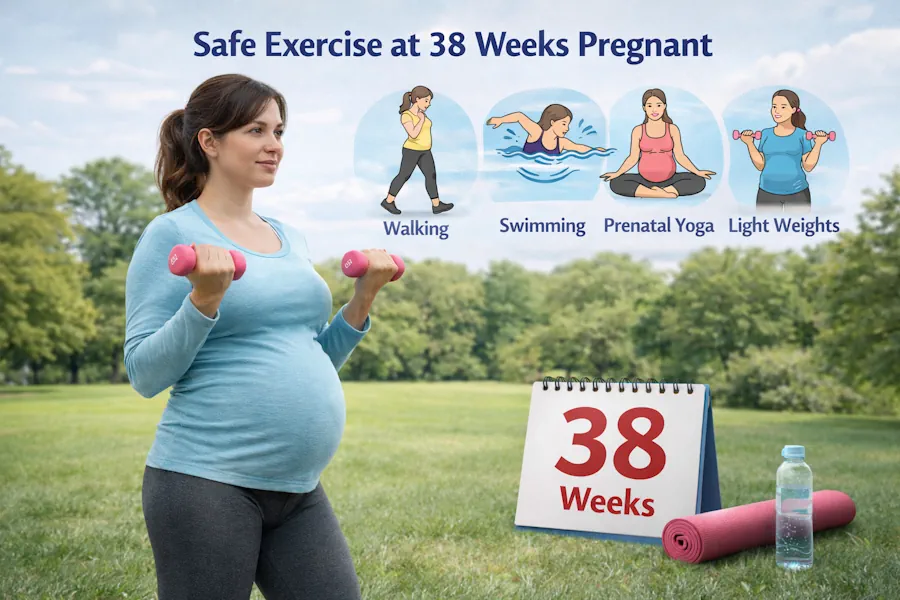
Light, controlled exercise may reduce discomfort, improve circulation, reduce stress, and prepare the body for labor—provided there is no medical restriction.
Recommended Activities
-
Gentle walking (15–30 minutes daily)
-
Stretching exercises
-
Prenatal yoga
-
Breathing and relaxation exercises
-
Pelvic floor (Kegel) exercises
Activities to Avoid
-
High-impact or strenuous exercise
-
Activities with fall risk
-
Prolonged supine positions
-
Balance-challenging movements
Stop Exercise If You Experience:
-
Severe abdominal pain
-
Vaginal bleeding
-
Dizziness or visual changes
-
Reduced fetal movement
-
Rupture of membranes
Frequently Asked Questions About Week 38 of Pregnancy
Is labor at week 38 normal?
Yes, it is considered full term.
What is the normal fetal weight?
Approximately 2,700–3,200 grams.
Is decreased fetal movement normal?
Intensity may change, but frequency should not decrease.
Can walking induce labor?
It may help prepare the body but does not induce labor on its own.
Final Summary
Week 38 of pregnancy is a critical period as both mother and baby prepare for birth. Understanding normal changes, recognizing warning signs, maintaining proper nutrition, safe activity, and emotional well-being all contribute to a safer delivery.
If you experience any concerning symptoms or have questions about labor or fetal health, do not delay consulting your healthcare provider.
📌 Prompt medical evaluation can protect both mother and baby.






No comment