
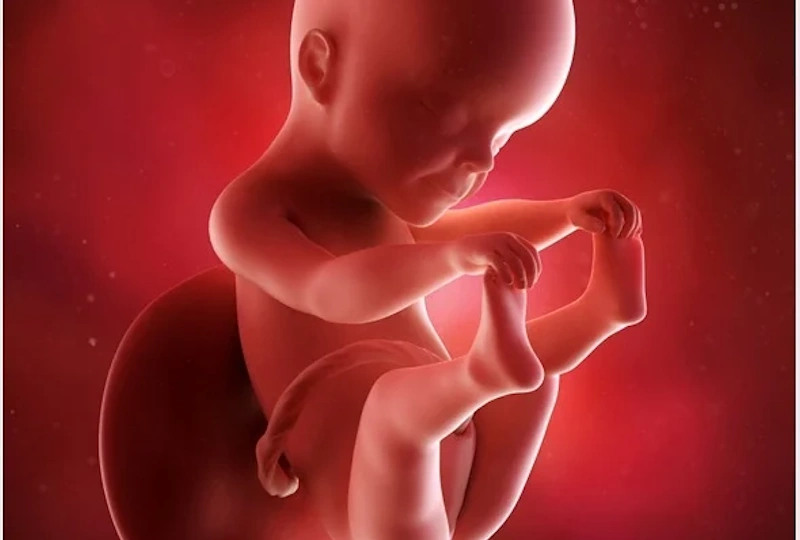
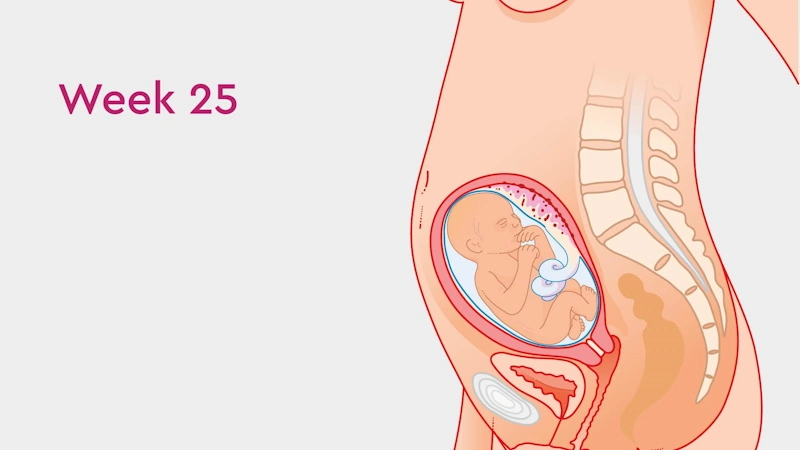
Week 25 of pregnancy marks an important stage in the second trimester—a week filled with rapid fetal development and significant physical changes in the mother. During this time, your baby weighs around 700 grams, measures nearly 32 centimeters, and begins to open their eyelids for the first time. Their brain is rapidly forming neural connections, their senses are becoming sharper, and their movements are more coordinated.
Meanwhile, the mother may experience shortness of breath, chest pressure, breast enlargement, increased vaginal discharge and mild swelling, all of which are considered normal at this stage. Understanding what changes are expected—and which signs require medical attention—helps ensure a healthier and more comfortable pregnancy.
In this guide, we’ll explore everything happening inside your body and your baby’s development during week 25, along with essential tips for nutrition, exercise, warning signs and medical care.
Fetal Development at Week 25
Weight and Length of the Baby
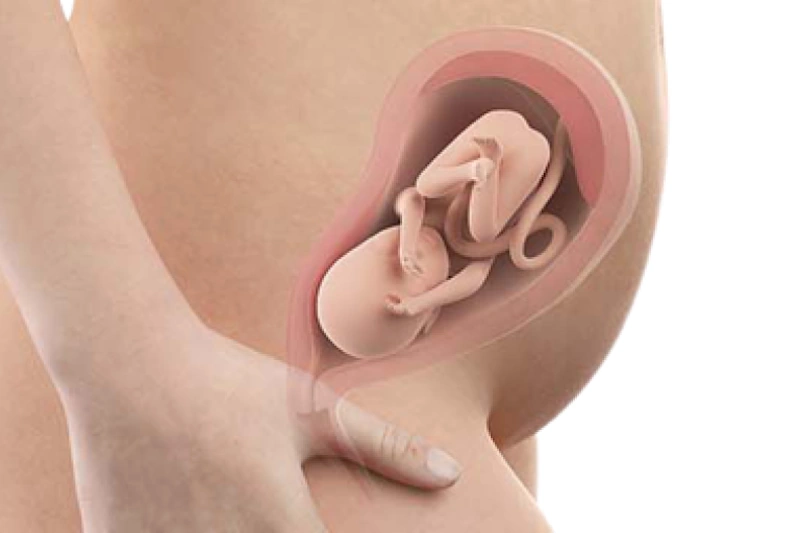
By week 25, your baby is growing rapidly:
-
Weight: 650–700 grams
-
Length: 31–33 cm from head to heel
The baby still looks slim because fat stores are just beginning to accumulate, but muscle tone and movement patterns are becoming stronger and more predictable.
Brain and Nervous System Development
This is one of the most crucial weeks for brain growth:
-
Deep grooves and folds (sulci and gyri) begin forming.
-
Billions of new neural connections are created.
-
The brain starts regulating basic functions such as breathing rhythms, temperature control and reflexes.
This neurological progress is essential for the baby’s survival after birth.
Vision, Hearing, and Opening of the Eyelids
A major milestone this week is the opening of the baby’s eyelids.
Your baby can now:
-
Detect bright lights through the uterus
-
Blink and open/close their eyes
-
React to sounds, especially your heartbeat and voice
-
Distinguish muffled noises from outside
This is the stage when babies start recognizing their mother’s voice.
Movement and Sleep Cycles
At week 25:
-
Your baby shows more organized sleep–wake cycles
-
REM sleep (active dreaming sleep) begins
-
Movements feel stronger and more rhythmic
-
The baby may respond to touch, sound and bright light
If fetal movements noticeably decrease, contact your healthcare provider.
Development of a Baby Girl at Week 25
If you’re carrying a girl, by this week:
-
Her ovaries contain millions of immature eggs
-
The uterus and fallopian tubes are fully formed
-
The external genitalia are now clearly visible on ultrasound
Growth patterns are otherwise identical to those of a baby boy.
Changes in the Mother’s Body at Week 25
Shortness of Breath
Shortness of breath is extremely common at 25 weeks.
Causes include:
-
The growing uterus pushing upward on the diaphragm
-
Increased oxygen demand
-
Elevated estrogen levels increasing breathing rate
-
Even more pronounced symptoms in twin or multiple pregnancies
Seek medical help if:
-
Shortness of breath is sudden or severe
-
It is accompanied by chest pain
-
You experience a racing heartbeat
-
You feel dizzy or faint
Breast Enlargement and Preparation for Breastfeeding

At this stage:
-
Milk-producing glands are growing rapidly
-
Breasts may feel heavy or tender
-
Prominent blue veins may appear
-
Some women may leak small amounts of colostrum
These changes are normal and indicate preparation for breastfeeding.
Chest Pressure and Rib Pain

Many women feel discomfort under the ribs due to:
-
The enlarged uterus pushing upward
-
Inflammation of the cartilage between the ribs
-
Poor posture or prolonged sitting
Tips to reduce rib pain:
-
Sit up straight with a pillow behind your lower back
-
Use warm compresses
-
Avoid tight clothing
-
Change positions frequently
Visible Veins and Skin Changes
During pregnancy, blood volume increases by about 40%, making veins more visible.
Common signs include:
-
Fine red or blue veins on the breasts and legs
-
Mild swelling in the legs and feet
-
Spider veins or varicose veins
Helpful tips:
-
Elevate your legs when resting
-
Avoid standing for long periods
-
Wear compression stockings if needed
Common Symptoms in Week 25
Normal Symptoms
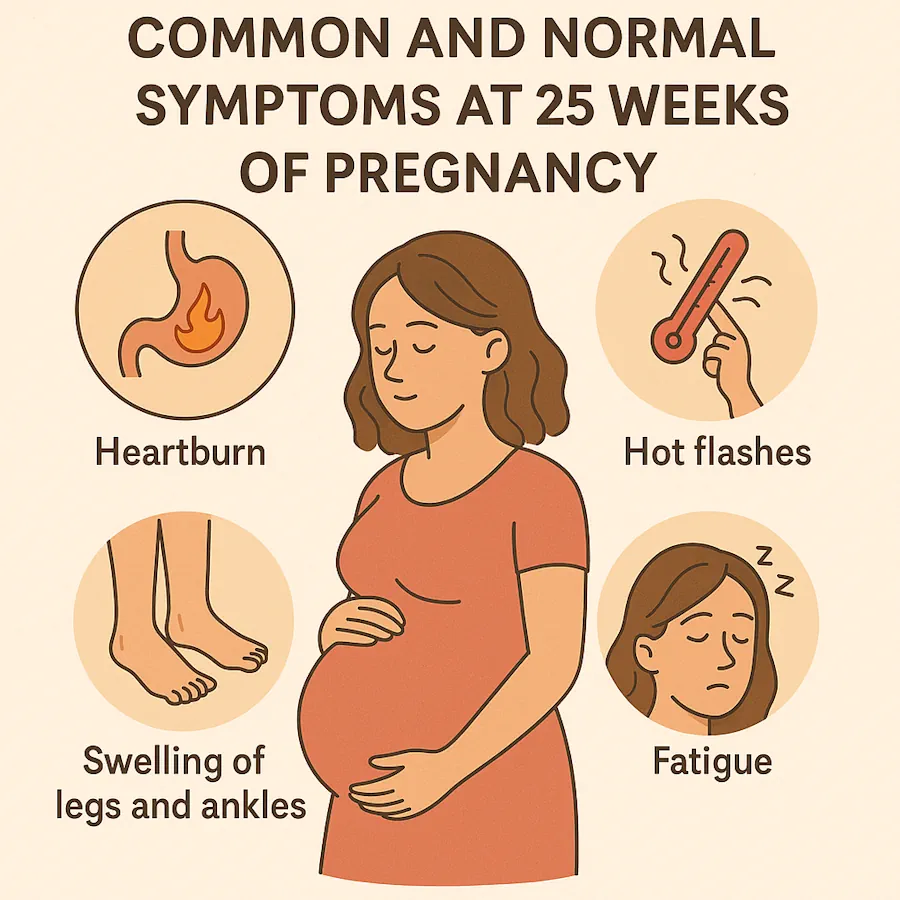
-
Mild shortness of breath
-
Back and pelvic pain
-
Increased vaginal discharge
-
Swelling in the feet and ankles
-
Stronger and more frequent fetal movements
-
Heartburn and indigestion
-
Pressure under the ribs
-
Breast tenderness
These symptoms are usually harmless unless they become severe.
Warning Signs to Call Your Doctor About
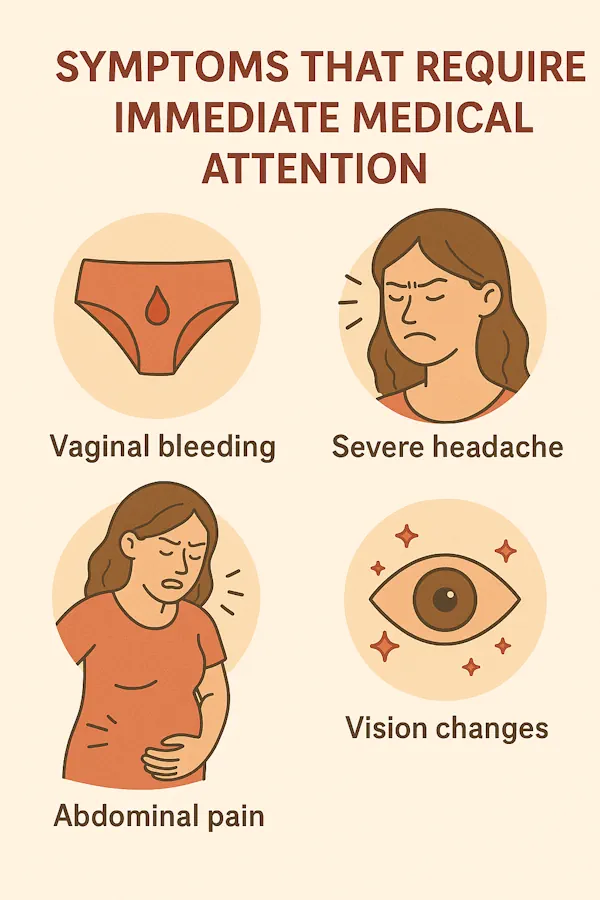
These may indicate preterm labor or other complications:
-
Regular contractions every 10 minutes or less
-
Leakage of fluid from the vagina
-
Vaginal bleeding or spotting
-
Intense pelvic pressure
-
Severe back pain
-
Sudden decrease in fetal movements
-
Severe shortness of breath with chest pain
-
Blurry vision, severe headache, or sudden swelling
Seek medical help immediately if any of these occur.
Ultrasound at Week 25: What to Expect
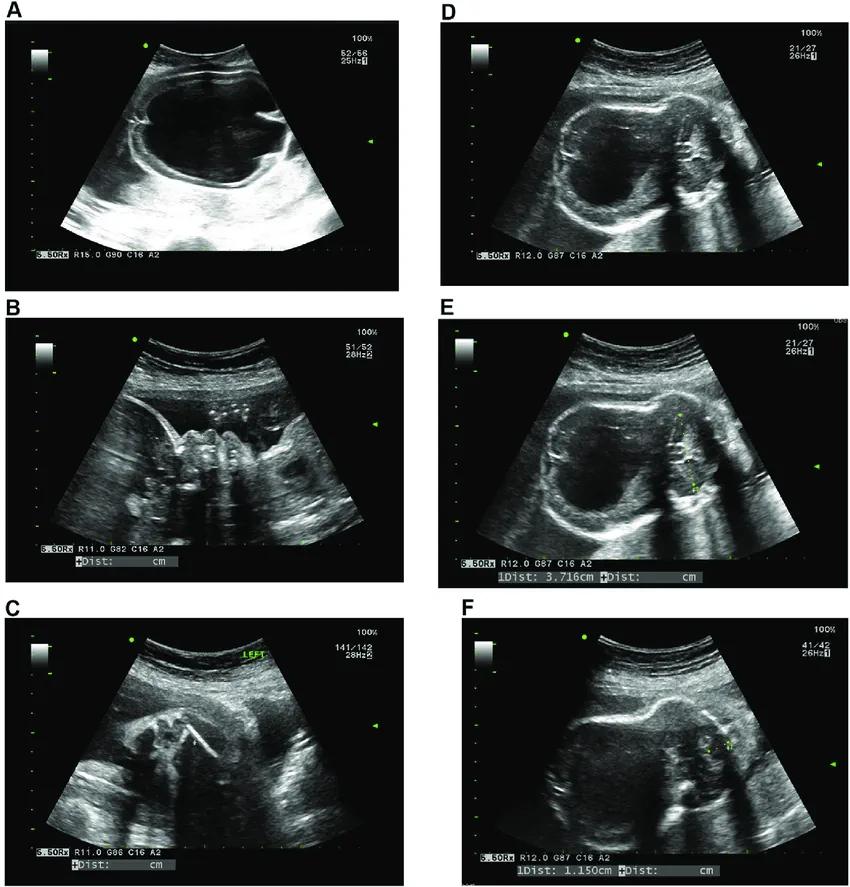
Assessing Fetal Growth
Your provider will measure:
-
Head circumference (HC)
-
Abdominal circumference (AC)
-
Femur length (FL)
-
Estimated fetal weight (EFW)
These measurements help determine if the baby is growing appropriately.
Amniotic Fluid and Placenta Evaluation
The ultrasound also checks:
Amniotic fluid levels
-
Low fluid (oligohydramnios)
-
High fluid (polyhydramnios)
Placenta health and location
-
Anterior or posterior
-
Low-lying or placenta previa
-
Maturity and blood flow
Assessment of Brain, Heart and Organs
The ultrasound evaluates:
-
Brain structures
-
Heart function and heart rate (140–160 bpm)
-
Lung development
-
Kidney and liver size
-
Movement of the diaphragm
Screening for Preterm Labor Risk
If needed, a cervical length measurement is performed.
A cervix shorter than 25 mm increases the risk of preterm labor.
Shortness of Breath in Twin Pregnancy
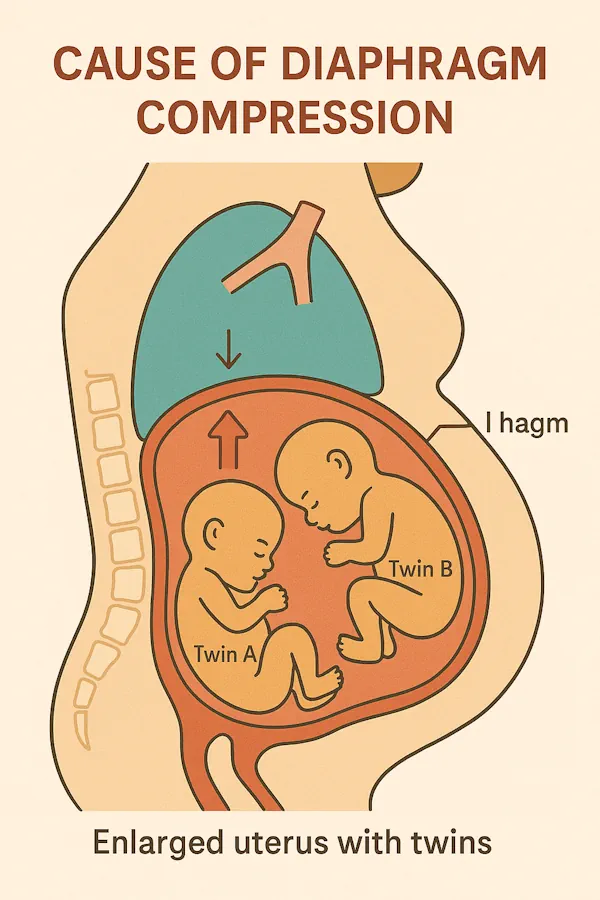
Why It’s Worse in Twin Pregnancy
-
Rapid uterine growth
-
Greater pressure on the diaphragm
-
Higher blood volume
-
Increased oxygen demand
-
More pressure on lung space
When It’s Dangerous
Seek urgent care if you experience:
-
Sudden severe shortness of breath
-
Chest pain
-
Rapid heartbeat
-
Dizziness or fainting
-
Blue lips or fingers
-
Pain/swelling in one leg
-
Fever or productive cough
Ways to Reduce Breathlessness
-
Sit upright with good posture
-
Sleep with multiple pillows
-
Practice slow, deep breathing
-
Avoid overexertion
-
Drink enough water
-
Wear loose clothing
Preterm Labor at Week 25
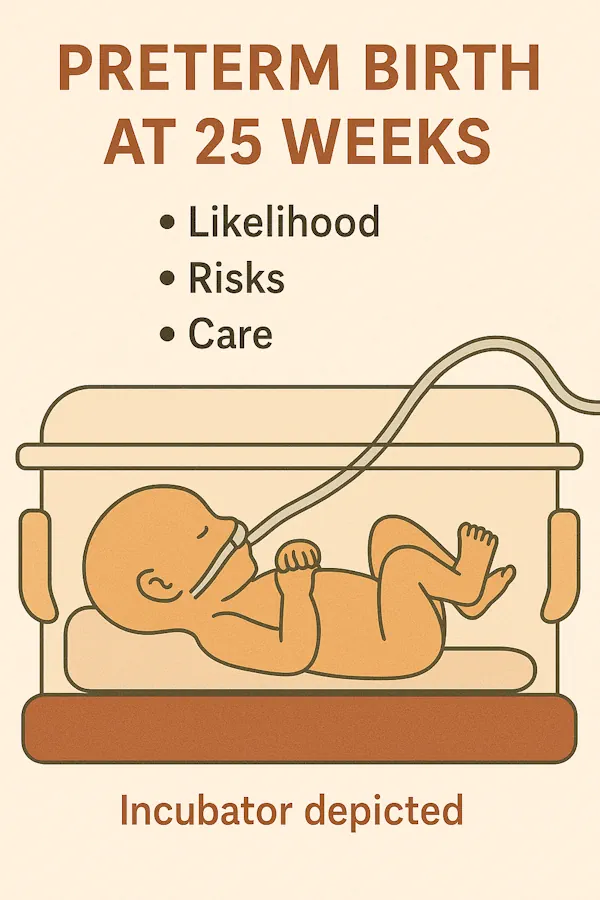
Survival Rate of a Baby Born at 25 Weeks
With advanced NICU care, survival rates range from:
67% to 80%
This depends on:
-
Baby’s weight
-
Infection risk
-
Lung development
-
Whether it’s a twin pregnancy
-
Quality of NICU care
Signs of Preterm Labor
-
Regular contractions
-
Back pain that comes and goes
-
Pelvic pressure
-
Vaginal bleeding
-
Leaking fluid
-
Change in discharge
-
Reduced fetal movements
Preventing Preterm Labor
1. Progesterone Therapy
Reduces preterm birth risk by up to 33% in eligible women.
2. Reduced physical activity
Recommended when contractions or cervical shortening are present.
3. Cervical cerclage
Used earlier in pregnancy for a very short cervix.
4. Hydration
Dehydration can trigger contractions.
Steroid Injections for Fetal Lung Maturity
If preterm labor risk is high, betamethasone or dexamethasone is given to:
-
Improve lung function
-
Reduce respiratory distress
-
Lower risk of brain bleeding
-
Increase survival
Optimal effect occurs after 48 hours.
NICU Care for a 25-Week Baby
Babies born at this stage require:
-
Incubator (thermoregulation)
-
Ventilation or CPAP
-
IV nutrition
-
Infection monitoring
-
Continuous vital checks
Hospital stay may last weeks to months.
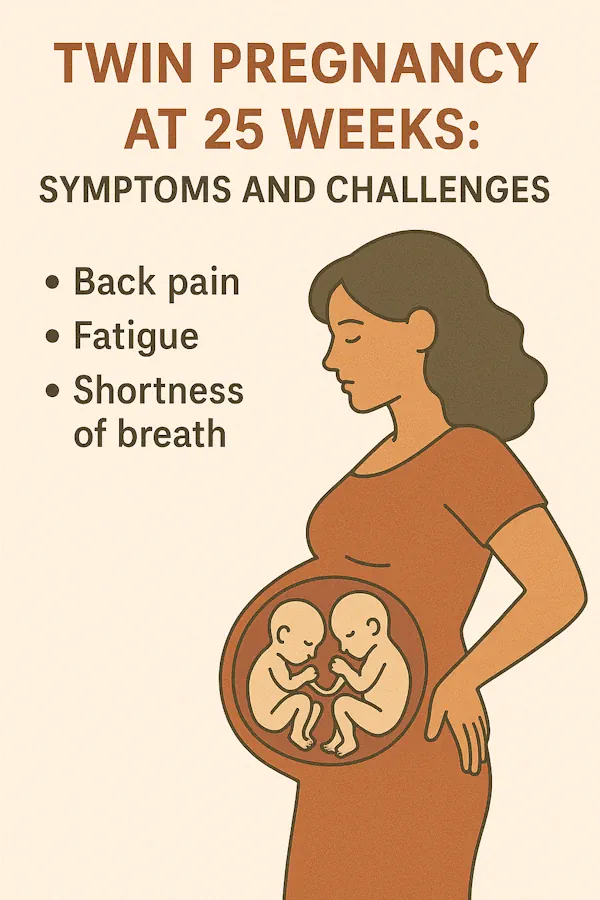
Twin or Multiple Pregnancy at Week 25
Common Symptoms
-
More severe shortness of breath
-
Faster weight gain
-
Fatigue
-
Increased swelling
-
Stronger fetal movements from multiple babies
Risks
-
Higher chance of preterm birth
-
Pre-eclampsia
-
Gestational diabetes
-
Iron-deficiency anemia
-
Growth restriction in one baby
Delivery in a Multiple Pregnancy
At week 25, if delivery occurs:
-
Cesarean section is usually required
-
Babies immediately enter the NICU
-
Higher risk of breathing problems and low birth weight
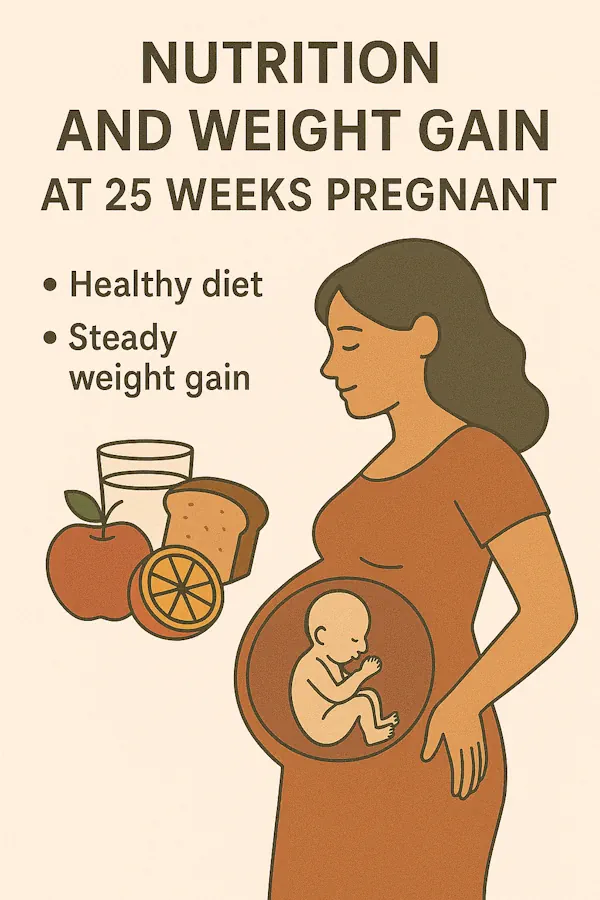
Nutrition and Weight Gain at Week 25
Calorie Needs
Single pregnancy: +300 calories/day
Twin pregnancy: +400–500 calories/day
Essential Nutrients
-
Protein: 75–100 g/day
-
Iron: to prevent anemia
-
Calcium: for bone development
-
Folic acid: for brain development
-
Omega-3 (DHA): for eye and brain growth
Foods to Limit
-
Raw or undercooked meat
-
Unpasteurized cheese
-
Processed meats
-
Excess caffeine (limit to 200 mg/day)
-
Sugary drinks
Healthy Weight Gain
Single pregnancy: 6–8 kg by week 25
Twin pregnancy: 9–13 kg by week 25
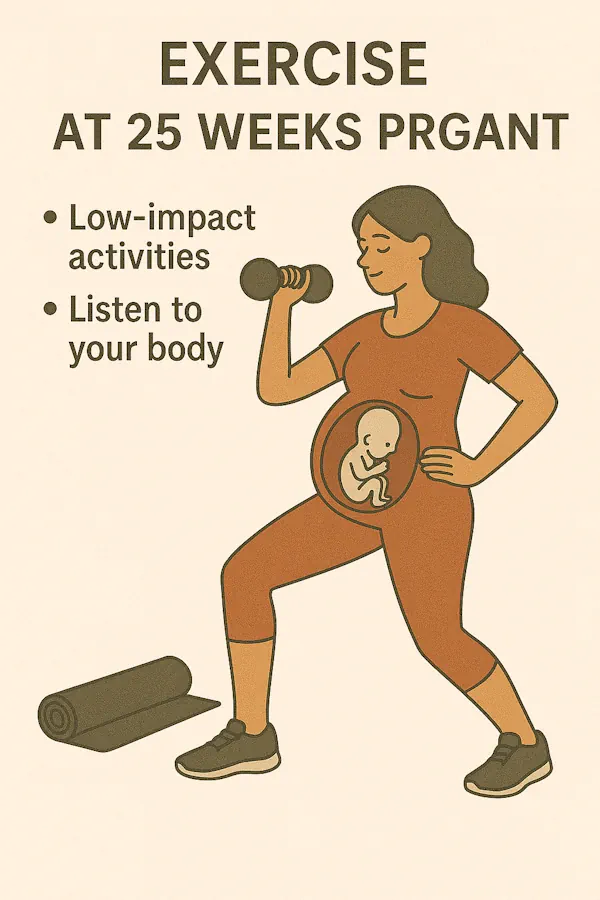
Exercise at Week 25
When Exercise Is Not Allowed
-
Preterm labor risk
-
Bleeding
-
Placenta previa
-
High blood pressure or preeclampsia
-
Ruptured membranes
-
Multiple pregnancy with complications
Safe Exercises
-
Walking
-
Swimming
-
Prenatal yoga
-
Light strength training
-
Breathing exercises
Benefits of Exercise
-
Easier labor
-
Less back pain
-
Better sleep
-
Improved energy
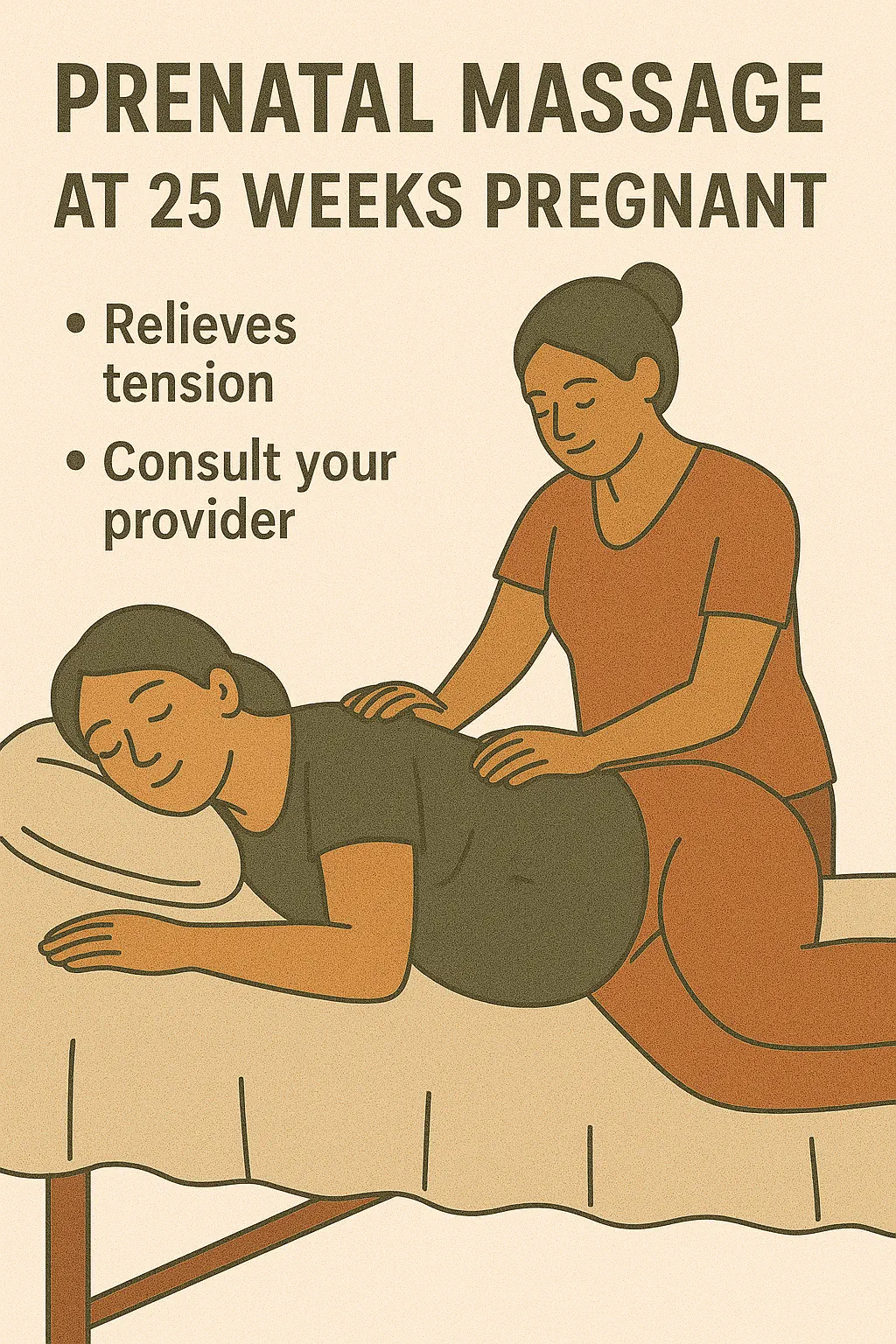
Prenatal Massage: Benefits and Safety
Benefits
-
Reduces back, neck and shoulder pain
-
Improves blood circulation
-
Relieves stress
-
Helps reduce swelling
-
Enhances sleep quality
When Massage Is Unsafe
-
High blood pressure
-
Preterm labor risk
-
Placenta previa
-
Severe swelling in one leg (possible clot)
-
Fever or infection
FAQ – Common Questions at Week 25
Is week 25 dangerous?
Not usually, unless symptoms of preterm labor or complications occur.
What is the normal fetal heart rate?
140–160 bpm.
Is reduced fetal movement normal?
Short resting periods are normal, but a noticeable decrease requires evaluation.
Can I travel?
Yes, if pregnancy is low-risk.
Is sex safe?
Yes, unless your provider has advised otherwise.
Conclusion
Week 25 of pregnancy is a time of remarkable growth and transformation—for both mother and baby. While many symptoms are natural and expected, understanding warning signs and maintaining proper nutrition, exercise and medical care will help ensure a healthier pregnancy. With continued monitoring and support, you are moving closer to meeting your little one.




No comment