

At 24 weeks of pregnancy, you enter one of the most important stages of your second trimester. Your baby’s facial features are becoming more defined, movements are stronger and more coordinated, and vital organs—especially the lungs and nervous system—are undergoing rapid development.
Meanwhile, your body is also experiencing noticeable changes, from a growing belly and increased fetal movement to skin pigmentation and occasional discomfort.
In this comprehensive guide, we’ll review everything you need to know about fetal development, maternal symptoms, ultrasound findings, nutrition, exercise, medical tests, warning signs, and more during week 24.
⭐ Fetal Development at 24 Weeks
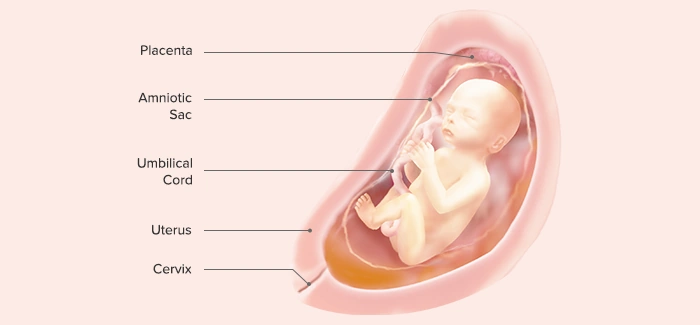
Size and Weight
At this stage, your baby:
- Weighs about 600–700 grams
- Measures 30–32 cm in length
- Is roughly the size of a large ear of corn or zucchini
Facial and Physical Features
- Eyebrows, eyelashes, and eyelids are well formed.
- Hair growth on the head becomes more noticeable.
- The skin is still thin and slightly wrinkled but gradually thickening.
Lung Development
Week 24 is crucial for lung maturation:
- The air sacs (alveoli) are forming.
- Surfactant production begins—an essential substance for keeping air sacs open after birth.
- Baby practices “breathing” by inhaling and exhaling amniotic fluid.
Nervous System
Neural connections are forming rapidly, allowing more coordinated movements, such as:
- Grasping the umbilical cord
- Touching the face
- Reacting to light and sound
Baby’s Movements
Movements are strong and easily felt:
- Kicks, rolls, stretches, and twisting motions
- Increased activity when the mother is resting
- More predictable wake–sleep cycles (baby sleeps up to 12–14 hours a day)
Differences in Boys vs. Girls at Week 24
- Boys: the testes begin descending toward the scrotum.
- Girls: uterus and ovaries are developed and contain hundreds of thousands of immature eggs.
⭐ Week 24 of Pregnancy: Which Month Is It?
Week 24 corresponds to the sixth month of pregnancy and the second half of the second trimester.
⭐ Common Symptoms at 24 Weeks

1. Stronger Fetal Movements
Most mothers clearly feel kicks and rolls throughout the day.
2. Enlarged and Firm Belly
The uterus is now above the belly button.
3. Braxton Hicks Contractions
Mild, irregular tightening of the uterus is normal.
4. Skin Changes
- The linea nigra (dark vertical line on the abdomen) may appear.
- The nipples and areola darken due to hormonal changes.
5. Belly Button Changes
It may become flat or protrude slightly—this is normal and temporary.
6. Heartburn and Indigestion
Caused by hormonal changes and pressure from the growing uterus.
7. Back and Pelvic Pain
Due to shifting weight and loosening ligaments.
8. Frequent Urination
Common due to pressure on the bladder.
9. Increased Vaginal Discharge
Clear or white discharge is normal; any change in color or smell requires evaluation.
10. Mild Swelling
Slight swelling of hands or feet is common; severe swelling is not.
⭐ Ultrasound at 24 Weeks: What Is Checked?
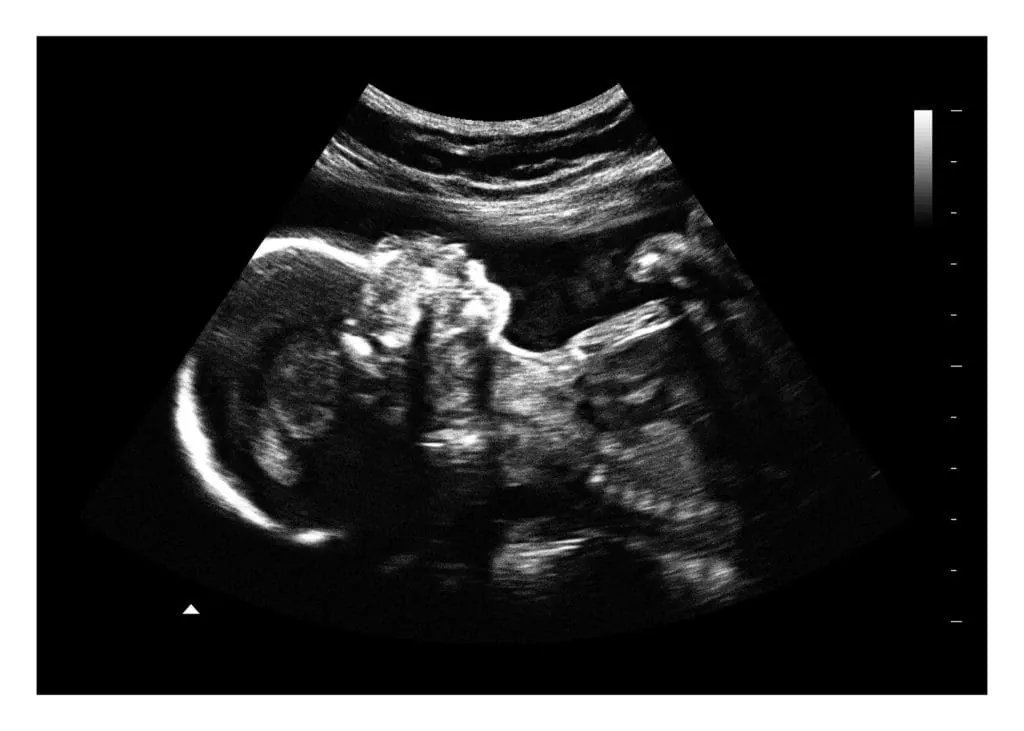
A growth scan or detailed ultrasound at this stage may evaluate:
1. Baby’s Measurements
- Head circumference (HC)
- Abdominal circumference (AC)
- Femur length (FL)
- Estimated fetal weight (EFW)
2. Organ Development
Assessment of:
- Heart structure and heartbeat
- Kidneys, bladder
- Stomach, intestines
- Lungs
- Spine and limbs
3. Fetal Movements
Observing:
- Limb movements
- Breathing motions
- Opening and closing of hands
4. Placenta
- Location (anterior, posterior, low-lying)
- Thickness
- Blood flow (Doppler if needed)
5. Amniotic Fluid Level (AFI)
6. Cervical Length (if needed)
For mothers at risk of preterm labor.
⭐ Nutrition Guide for Week 24

1. Protein
Aim for 75–90 grams per day.
Sources: lean meat, eggs, dairy, fish, legumes.
2. Iron
Prevents anemia.
Sources: red meat, lentils, spinach, eggs.
3. Calcium
For bone development.
Aim for 1000–1200 mg/day.
Sources: dairy, almonds, broccoli, sesame.
4. Fiber
Prevents constipation.
Sources: whole grains, fruits, vegetables, oats.
5. Hydration
Drink 8–10 glasses of water daily.
6. Limit Sugar Intake
Helps prevent gestational diabetes.
7. Foods to Avoid
- Raw or undercooked meat
- Unpasteurized cheese
- High-mercury fish
- Deli meats
- Alcohol and energy drinks
⭐ Exercise During Week 24: Safe vs. Unsafe Activities
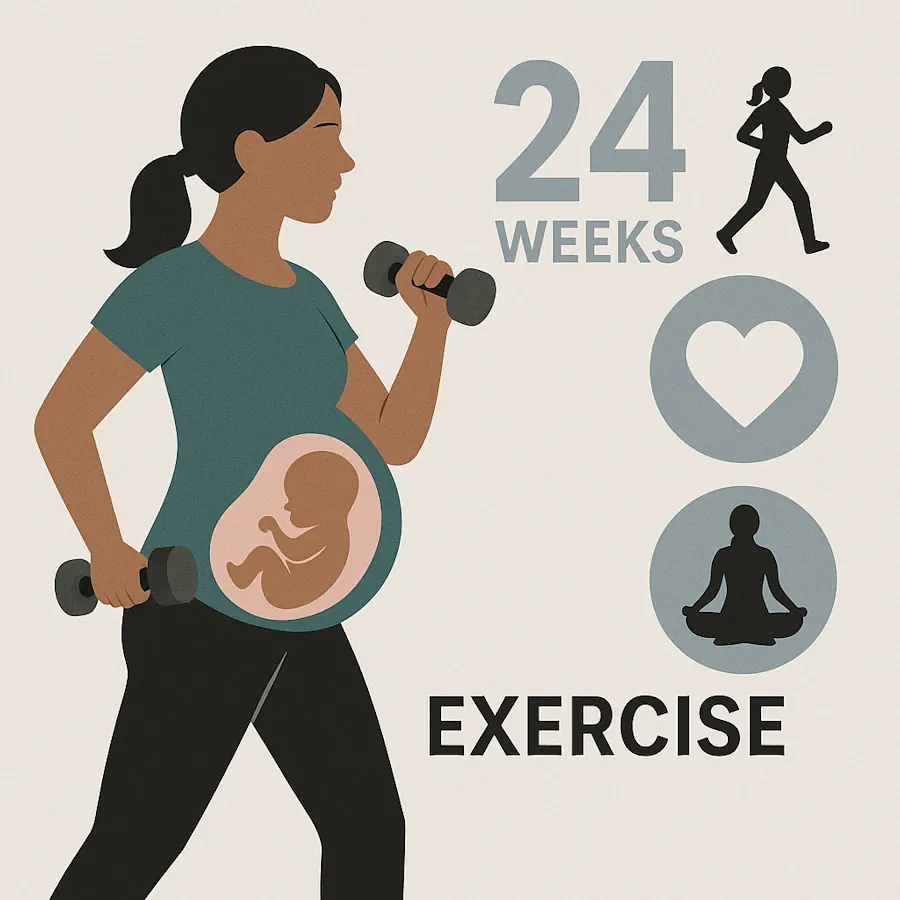
Safe Exercises
- Walking
- Swimming
- Prenatal yoga
- Light stretching
- Low-impact strength training
Exercises to Avoid
- High-impact running or jumping
- Heavy weightlifting
- Contact sports
- Exercises involving lying flat on your back
- Activities with a risk of falling (horseback riding, skiing)
Safety Tips
- Stay hydrated
- Avoid overheating
- Stop exercising if you feel pain, dizziness, or reduced fetal movement
⭐ Tests and Screenings at 24 Weeks
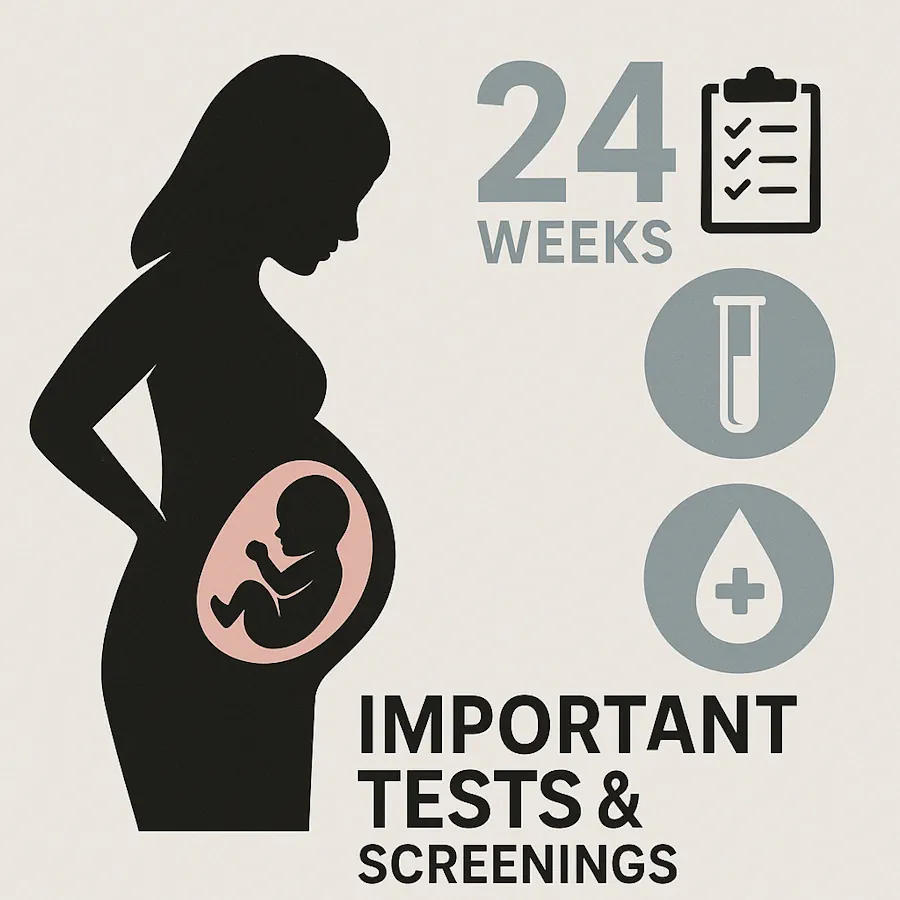
1. Glucose Tolerance Test (OGTT)
The most important test between 24–28 weeks to detect gestational diabetes.
2. Urine Test
Checks for:
- Protein
- Sugar
- Infection
3. Blood Pressure Check
Screens for preeclampsia.
4. Weight Monitoring
5. Fetal Movement Assessment
⭐ Warning Signs at Week 24
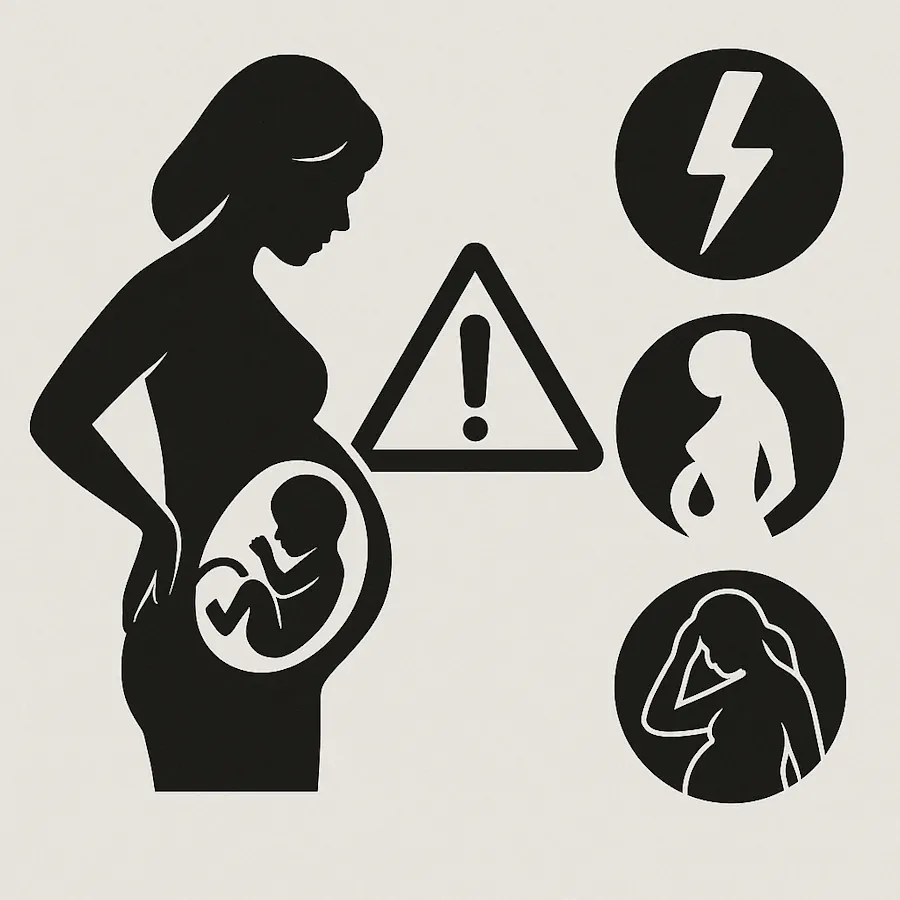
Contact your doctor if you experience:
- Decreased or absent fetal movements
- Regular, painful contractions
- Vaginal bleeding
- Leaking fluid
- Severe abdominal pain
- Sudden swelling of hands or face
- Severe headache or vision changes
- Fever, chills, or painful urination
⭐ Frequently Asked Questions (FAQ)
1. Can a baby survive if born at 24 weeks?
Yes. Survival rate is 50–60% with advanced NICU care.
2. Is belly button popping out normal?
Yes, it’s due to the expanding uterus and usually resolves after birth.
3. How should fetal movement feel?
Regular kicks and rolls throughout the day; if movement decreases, call your doctor.
4. Is sex safe at 24 weeks?
Yes, unless your doctor has advised against it due to complications.
5. How much weight should I have gained by now?
About 6–7 kg on average.
⭐ Summary: Week 24 at a Glance
At 24 weeks pregnant, your baby is growing quickly, gaining weight, developing lung function, and becoming more active every day. You may notice stronger movements, skin changes, heartburn, or mild swelling, all of which are normal.
This week is also crucial for screening tests—especially the glucose tolerance test—and paying attention to warning signs of preterm labor or high blood pressure.
Proper nutrition, hydration, safe exercise, and regular prenatal care help ensure a healthy pregnancy as you move toward the third trimester.




No comment