
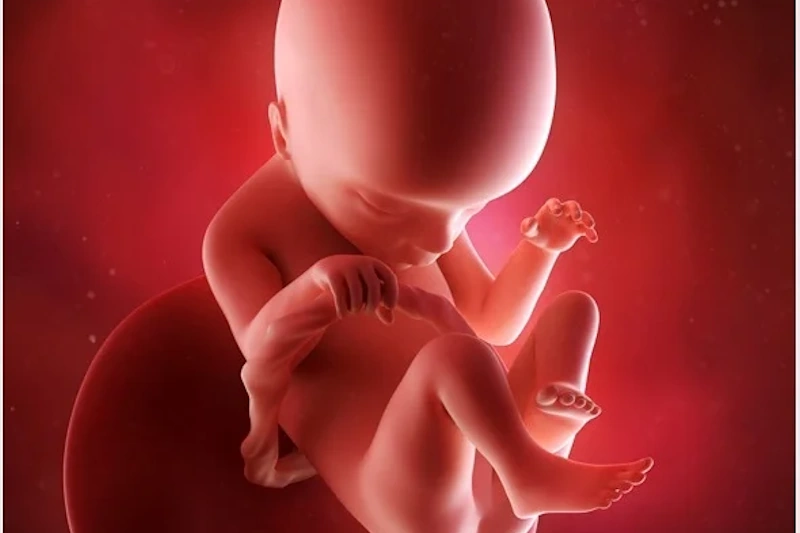
You’ve officially reached the halfway point of your pregnancy! 20 weeks pregnant is a major milestone—your baby’s movements are becoming stronger, your body is changing rapidly, and one of the most important ultrasounds of the entire pregnancy (the anomaly scan) takes place during this week.
This comprehensive guide explains everything you need to know about your baby’s development, your body’s changes, common symptoms, risks, nutrition, exercise, and key medical tests during Week 20 of pregnancy.
Baby Development in Week 20 of Pregnancy
During Week 20, your baby becomes increasingly active and their development accelerates.
1. Baby’s Size and Appearance
-
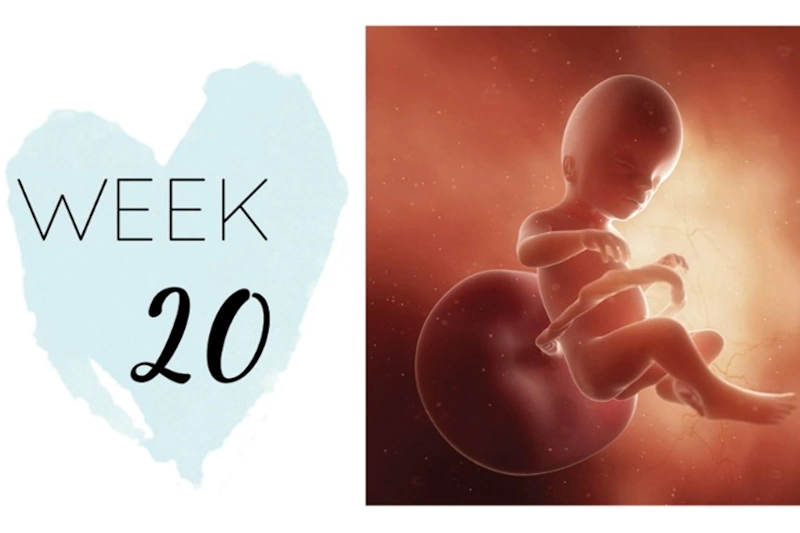
Length: 24–26 cm (about the size of a large banana)
-
Weight: Around 300 grams
-
Body features: Hair, eyebrows, eyelashes, and nails continue forming.
-
The face and body now look much more like a newborn.
2. Sensory Development
Specialized areas of the baby’s brain for touch, taste, smell, hearing, and vision are forming rapidly.
Your baby can:
-
Sense touch
-
Respond to sounds
-
Taste small variations in the amniotic fluid
3. Movements
Many mothers clearly feel:
-
Kicks
-
Flutters
-
Rolling movements
-
Sudden jerks
These movements are often more noticeable at night when you’re relaxed.
4. Digestive System Practice
During the anomaly scan, you may see your baby swallowing amniotic fluid—a crucial step for digestive system development.
5. Lungs and Heart
-
The lungs are still immature but practicing breathing movements.
-
The heartbeat is strong and easily detectable in prenatal checkups.
Your Body in Week 20 of Pregnancy
Growth of the Uterus
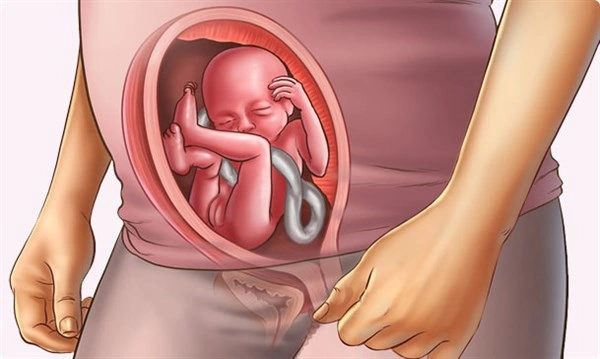
Your uterus now rises to the level of your belly button.
It is:
-
Highly elastic
-
Supported by strong ligaments
-
Capable of expanding up to 500 times its original size
The increasing size explains:
-
Mild pressure in the lower abdomen
-
Slight discomfort
-
A feeling of heaviness
Round Ligament Pain
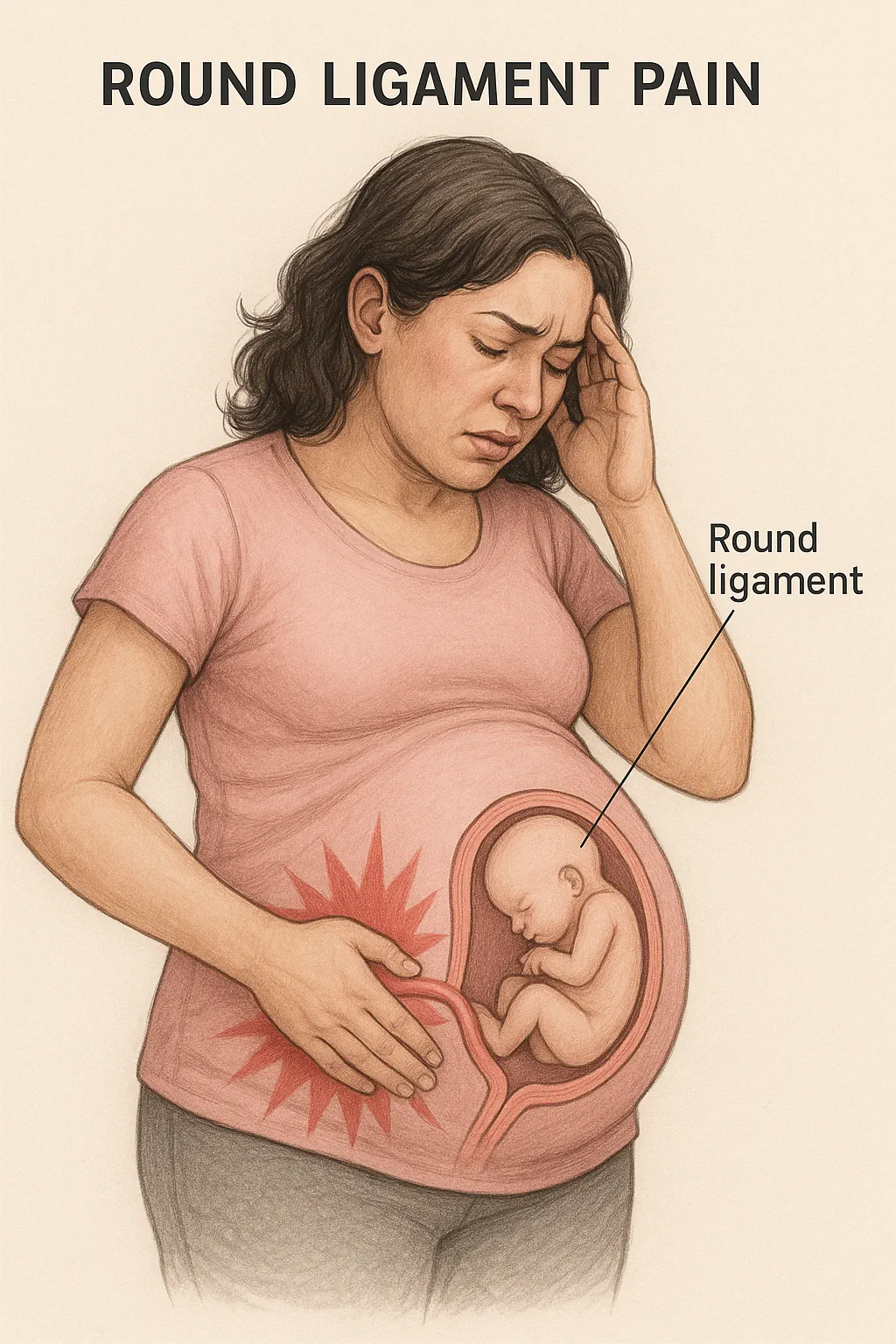
Round ligaments stretch as your uterus grows. This can cause:
Typical Symptoms
-
Sharp pain on one or both sides of the lower abdomen
-
Pain radiating to the groin
-
Sudden discomfort when standing, changing positions, or coughing
Is It Normal?
Yes. Round ligament pain is one of the most common symptoms in Weeks 16–20.
How to Relieve It
-
Rest
-
Warm compress
-
Gentle stretching
-
Acetaminophen (paracetamol), if recommended by your doctor
-
Warm baths
Heightened Sense of Smell
Some mothers experience a stronger sense of smell during the second trimester due to hormonal changes. This usually improves after delivery.
High-Risk Pregnancies at 20 weeks pregnant
Most pregnancies are low-risk, but some situations require closer monitoring.
Who Is Considered High-Risk?
-
Mothers with chronic medical conditions:
Diabetes, hypertension, lupus, heart disease -
Pregnancy complications:
Preeclampsia, placenta previa, heavy bleeding -
Babies with congenital anomalies
-
Obesity (high BMI)
-
Twin or multiple pregnancies
-
Maternal age over 40 (depending on medical evaluation)
Extra Precautions for High-Risk Pregnancies
Your doctor may recommend:
-
More frequent checkups
-
Additional ultrasounds
-
Modified physical activity
-
Adjusted diet
-
Referral to a maternal–fetal medicine specialist
Pregnancy and delivery should ideally take place in a well-equipped hospital.
Stress in Week 20 of Pregnancy
Some stress is normal, but chronic stress may potentially affect pregnancy by increasing risks such as preterm birth or low birth weight.
Signs of High Stress
-
Rapid heartbeat
-
Muscle tension
-
Irritability
-
Difficulty sleeping
-
Feeling overwhelmed
-
Frequent headaches or stomach upset
How to Manage Stress
-
Sleep well
-
Eat nutritious meals
-
Try prenatal yoga or breathing exercises
-
Spend time with supportive people
-
Limit exposure to stressful environments
-
Talk to a psychologist if needed
Setting Boundaries with Curious or Pushy People
Pregnancy attracts attention—sometimes unwanted attention.
It’s perfectly okay to say:
-
“No, please don’t touch my belly.”
-
“No, we haven’t decided on the baby’s name.”
-
“No, I prefer not to discuss my test results.”
Your body and pregnancy belong to you, not to others.
Nutrition and Exercise in 20 weeks pregnant
Managing Heartburn and Indigestion
As the uterus grows and hormones relax the esophageal sphincter, heartburn becomes more common.
Tips
-
Eat small, frequent meals
-
Avoid spicy, acidic, or fried foods
-
Don’t lie down immediately after eating
-
Elevate your head while sleeping
Most antacids are safe, except sodium bicarbonate, which should be avoided due to high sodium content.
Vitamin B Complex: Your Essential Allies
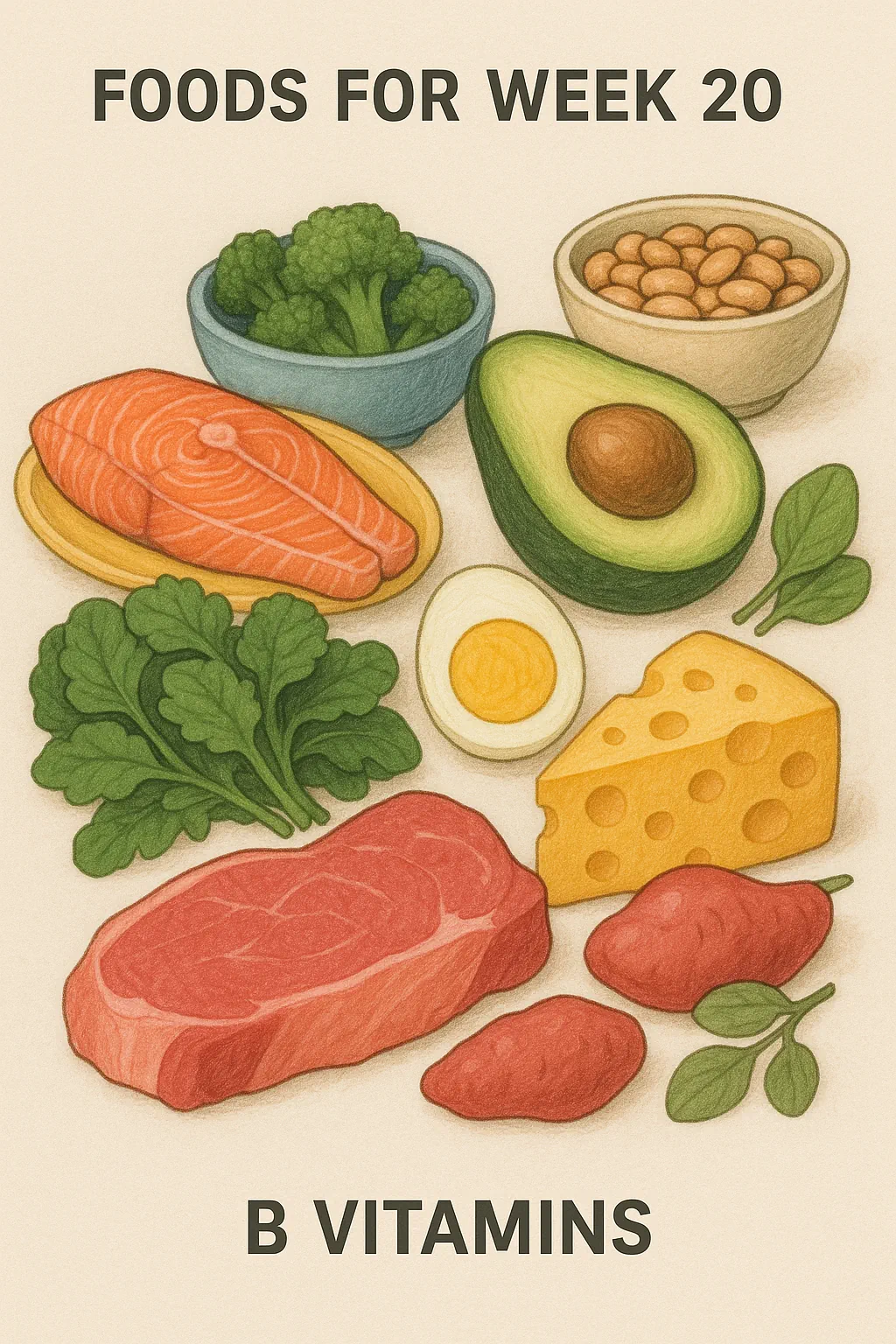
B vitamins help:
-
Boost energy
-
Support nervous system development
-
Produce red blood cells
Rich Food Sources
-
B1: Whole grains, beans, lean meat
-
B2: Milk, yogurt, eggs
-
B3: Turkey, fish, nuts
-
B5: Salmon, yogurt, sweet potatoes
-
B6: Chicken, peanut butter, soy
-
B7 (Biotin): Eggs, legumes
-
B9 (Folate): Broccoli, oranges, spinach
-
B12: Salmon, dairy, eggs
Recommended Exercises for 20 weeks pregnant
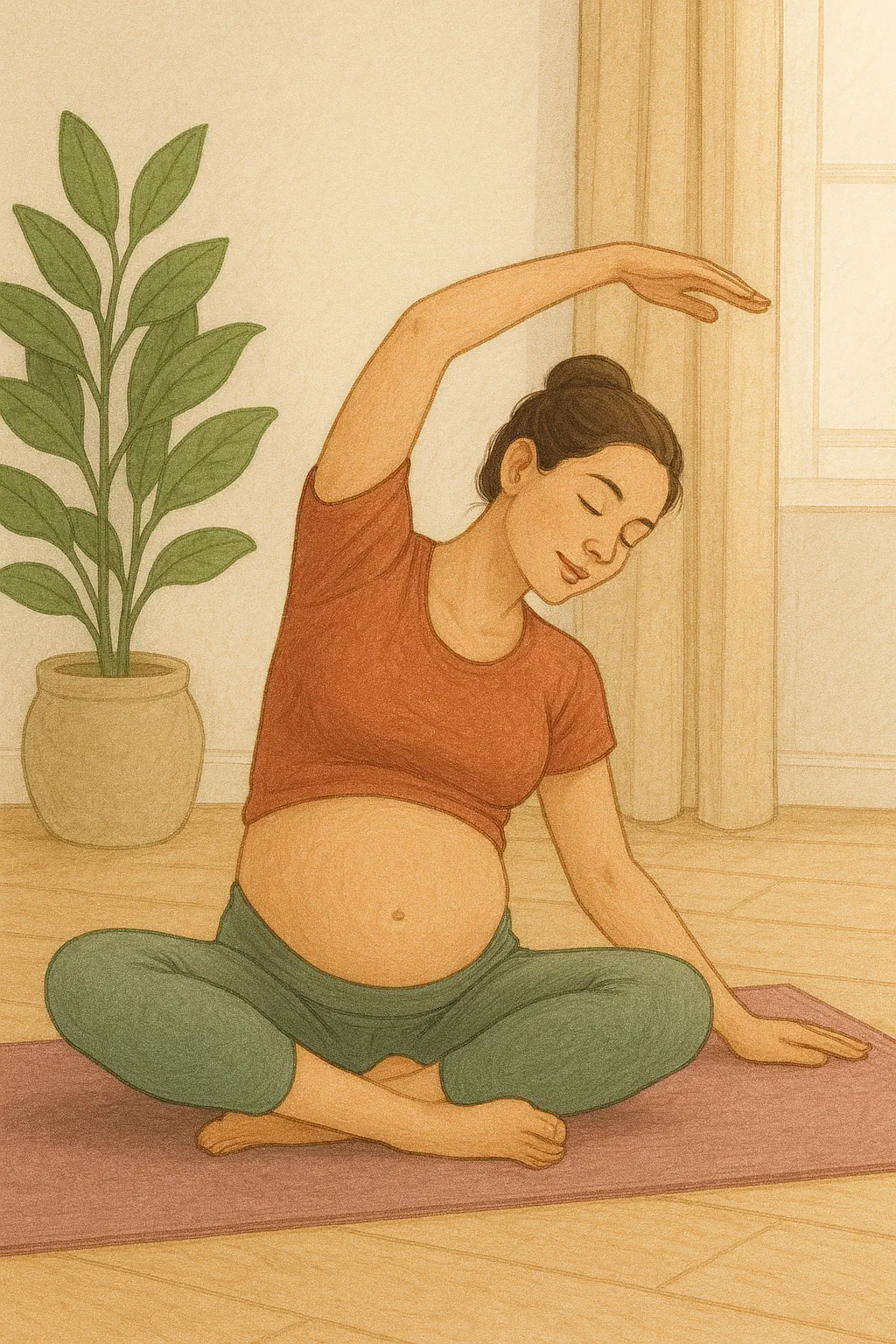
Safe activities include:
-
Walking
-
Prenatal yoga
-
Swimming
-
Light stretching
Avoid:
-
Jumping
-
Heavy lifting
-
High-intensity workouts
-
Abdominal crunches
What If Your Ultrasound Shows Twins or Multiples?
Don’t panic—and don’t start buying everything in pairs just yet!
Early Ultrasound (Week 6): Not Reliable
One fetus may stop developing early due to genetic issues (Vanishing Twin Syndrome).
Week 12 Ultrasound: More Reliable but Not Final
Most multiples survive beyond this point, but confirmation is stronger after Week 18.
Week 18–20 Ultrasound: Highly Reliable
If multiples are confirmed now, chances of continuation are very high.
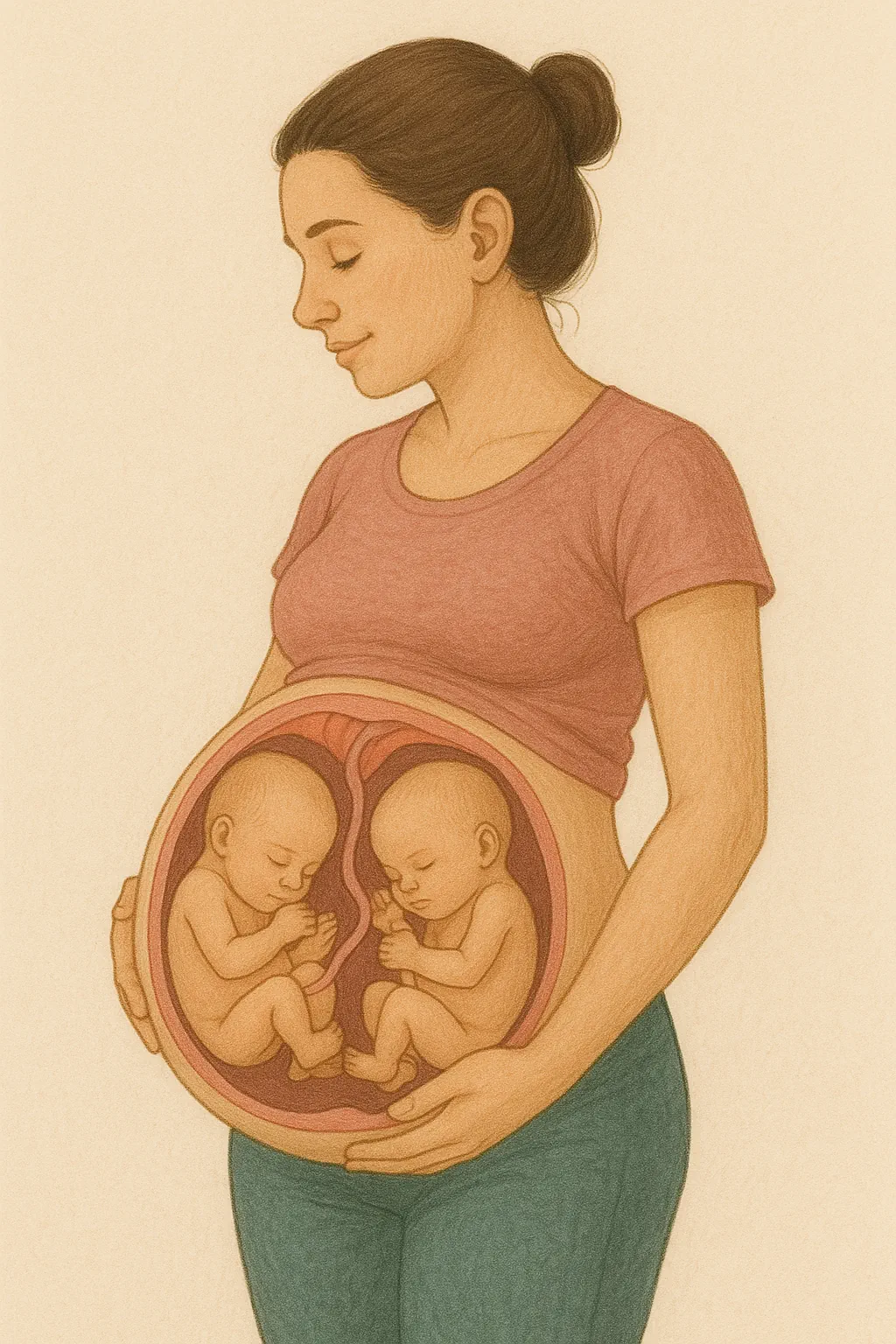
Managing Multiple Pregnancy
-
More checkups
-
Nutrient-rich diet
-
Monitoring fetal growth
-
Emotional support
-
Connecting with mothers of multiples
Helping the Father Bond with the Baby
Fathers often feel left out during pregnancy. You can involve him by:
-
Taking him to prenatal visits
-
Letting him feel the baby’s movements
-
Encouraging him to talk, sing, or read to the baby
-
Giving him meaningful responsibilities
-
Sharing thoughts about his own father to shape his parenting perspective
Conclusion 20 weeks pregnant
Week 20 marks a beautiful midpoint in pregnancy where your baby’s development flourishes, your symptoms become more familiar, and your emotional connection with your baby deepens. With proper nutrition, regular checkups, stress management, and healthy movement, you can enjoy this milestone with confidence and peace of mind.
{
“@context”: “https://schema.org”,
“@type”: “FAQPage”,
“mainEntity”: [
{
“@type”: “Question”,
“name”: “How big is the baby at 20 weeks pregnant?”,
“acceptedAnswer”: {
“@type”: “Answer”,
“text”: “At 20 weeks, the baby measures about 24–26 cm and weighs around 300 grams. Hair, nails, and sensory structures continue to develop rapidly.”
}
},
{
“@type”: “Question”,
“name”: “Is lower abdominal pain normal at 20 weeks pregnant?”,
“acceptedAnswer”: {
“@type”: “Answer”,
“text”: “Yes. Sharp or stretching pain on one or both sides of the lower abdomen is usually due to round ligament stretching and is normal. Seek medical care if the pain is severe, persistent, or accompanied by bleeding.”
}
},
{
“@type”: “Question”,
“name”: “Where is the baby positioned at 20 weeks pregnant?”,
“acceptedAnswer”: {
“@type”: “Answer”,
“text”: “At 20 weeks, the uterus reaches the level of the belly button and the baby typically lies in the mid-abdominal area. The position changes frequently with movements.”
}
},
{
“@type”: “Question”,
“name”: “What ultrasound is done at 20 weeks?”,
“acceptedAnswer”: {
“@type”: “Answer”,
“text”: “The 18–20 week anatomy scan evaluates the baby’s organs, brain, heart, kidneys, spine, limbs, placenta, and amniotic fluid. It is one of the most important prenatal ultrasounds.”
}
},
{
“@type”: “Question”,
“name”: “What if the ultrasound shows twins or multiples?”,
“acceptedAnswer”: {
“@type”: “Answer”,
“text”: “Early ultrasounds may not be reliable due to vanishing twin syndrome. Confirmation at 18–20 weeks is highly reliable, and multiple pregnancies require additional monitoring and nutritional support.”
}
},
{
“@type”: “Question”,
“name”: “What exercises are safe at 20 weeks pregnant?”,
“acceptedAnswer”: {
“@type”: “Answer”,
“text”: “Walking, prenatal yoga, swimming, and gentle stretching are ideal. Avoid high-impact activities, heavy lifting, and intense abdominal exercises.”
}
}
]
}


No comment