
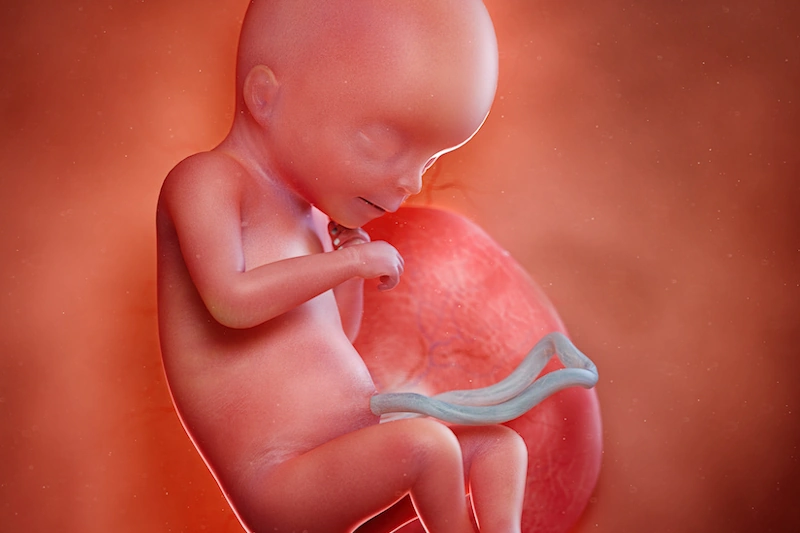
By week 18 of pregnancy, you’ve reached a pivotal milestone. Your baby is now about 14.2 cm long (head to bottom), roughly the size of a bell pepper. Their reflexes—hearing, sensing, swallowing and sucking—are developing rapidly. Meanwhile, your little one is wriggling and stretching more than ever, moving those tiny arms and legs with increasing coordination.
In this article, you’ll get a detailed look at baby’s growth, what’s happening in your body, nutrition and exercise tips, and answers to the most common questions for this stage of pregnancy.
Baby’s Growth & Development at Week 18
Size, appearance & key milestones
At 18 weeks, your baby is growing fast. According to the Mayo Clinic, the ears begin to stand out on the head and the hearing system is functional. Mayo Clinic
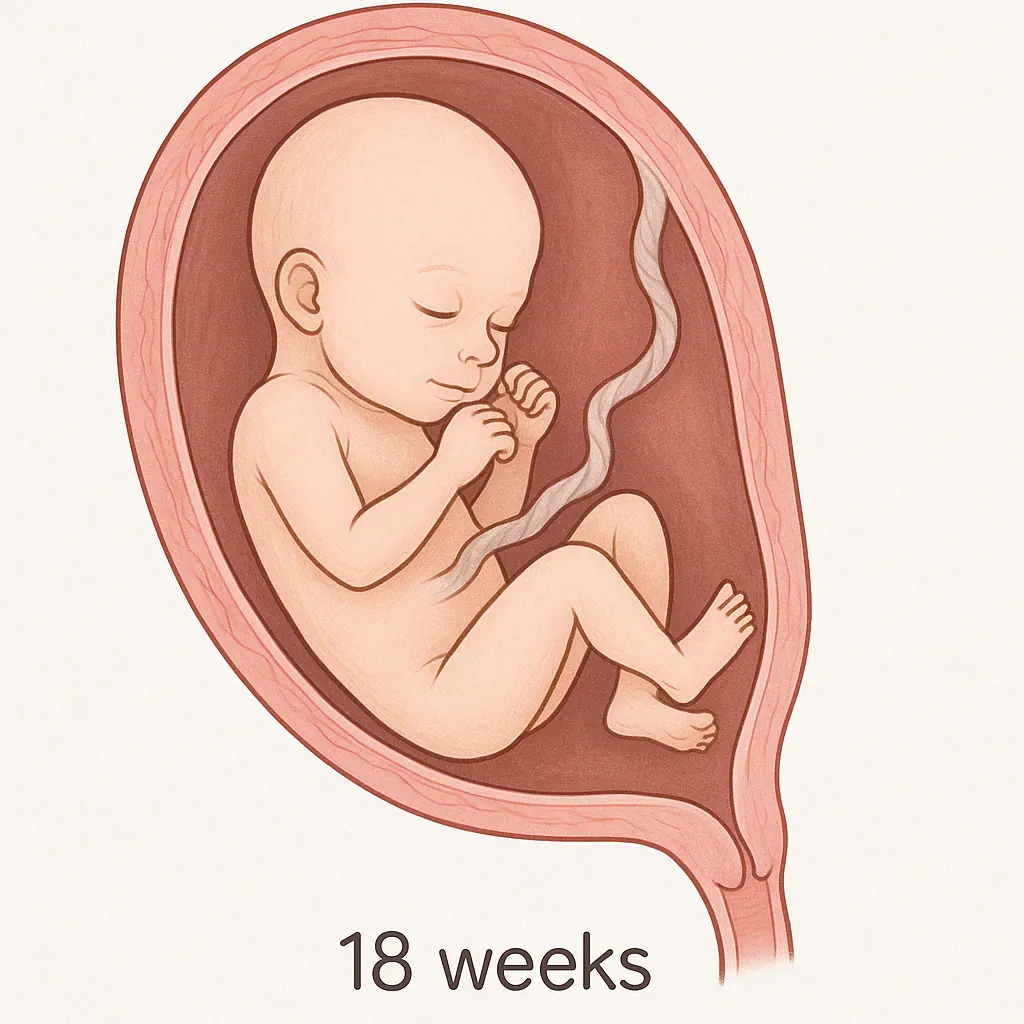
You may see your little one in a snapshot of the ultrasound: they might be sucking their thumb or frowning—yes, those facial muscles are starting to show. Their reflexes are becoming real: swallowing, sucking, and responding to internal sounds like your heartbeat and blood flow. nhs.uk+1
Hearing, movement & positioning
Your baby is now able to hear sounds inside your body—such as the rushing of blood or your voice. KidsHealth+1 Movements are more coordinated, though you may still feel only fluttering or bubbles rather than distinct kicks (especially if this is your first pregnancy). Tommy’s
Placenta, bones & organ development
Your baby’s skeleton continues to ossify (bones hardening) and internal organs are maturing. Mayo Clinic The placenta is still the primary source of nutrients and oxygen—and it is removing waste as well, so your health impacts your baby’s environment directly.
Mom’s Body: What’s Changing at Week 18
Leg cramps & circulation changes
Leg cramps often show up at night. They’re typically due to changes in circulation and pressure on the veins from your growing uterus—not necessarily simple “low potassium” myths. Stretching your calves, standing barefoot on a cool surface, or gentle movement often helps.
Increased blood volume & heart rate
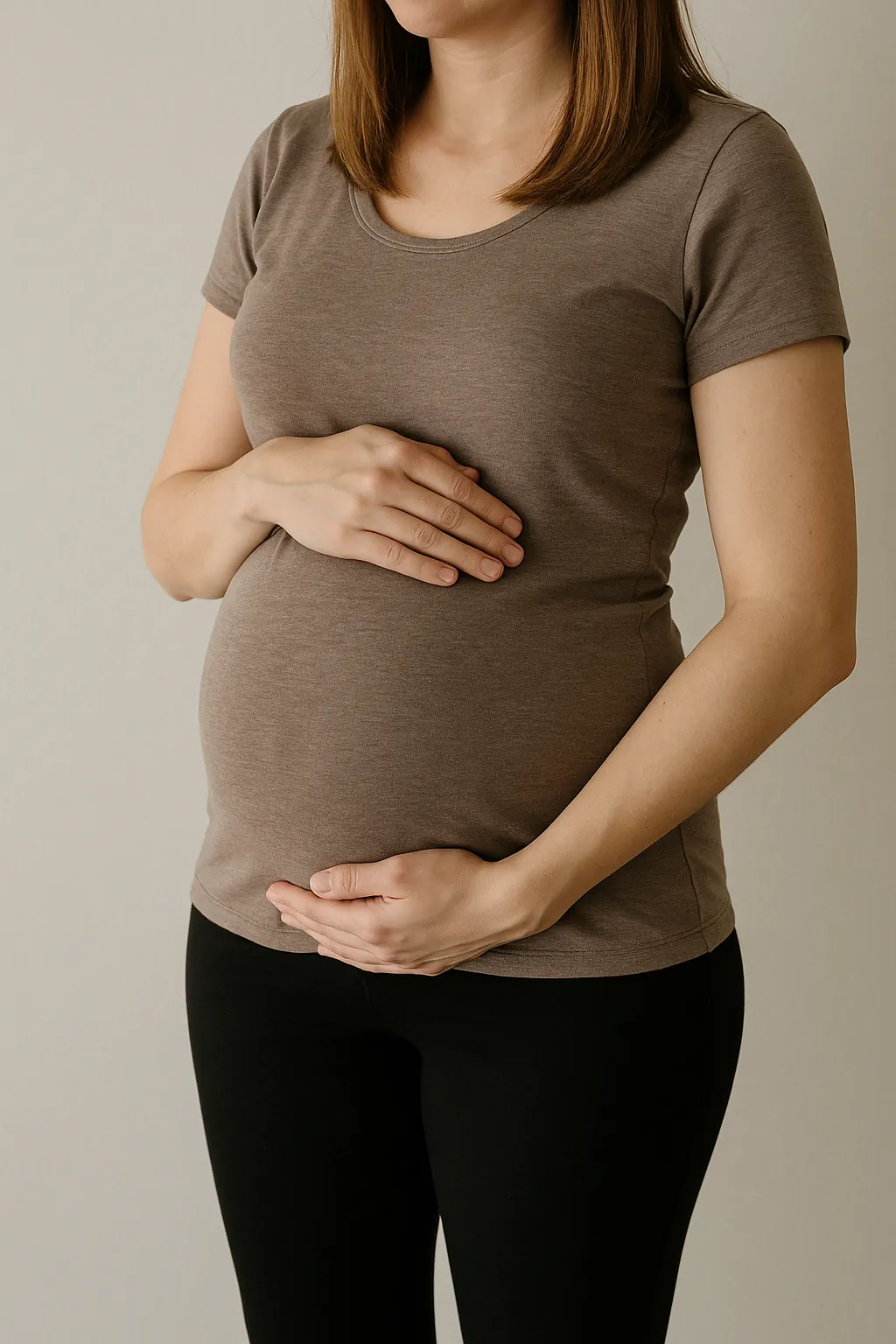
Your blood volume has increased to deliver oxygen and nutrients to baby. Consequently, your heart may beat faster and you might feel some palpitations or shortness of breath. This is usually normal—but if you have severe symptoms, speak to your obstetrician.
Breast changes
As your body prepares for breastfeeding, your breasts get fuller, warmer, and more sensitive. Some benign lumps may appear—don’t panic—but always be alert and report any new unusual changes to your doctor.

Sleep issues, fatigue & positioning
In week 18, you may find it harder to sleep—between more body weight, fetal movement, leg cramps and heart rate shifts. Try sleeping on your left side, use pregnancy pillows, and keep your sleep environment cool and dark.
Weight gain & swelling
Most women by now have gained around 4-5 kg (though individual variation is large). Mild swelling of feet or hands is typical, thanks to fluid retention and vein pressure. If swelling is sudden or extreme, or accompanied by high blood pressure, call your doctor.
Nutrition & Diet Tips for Week 18
What to eat
-
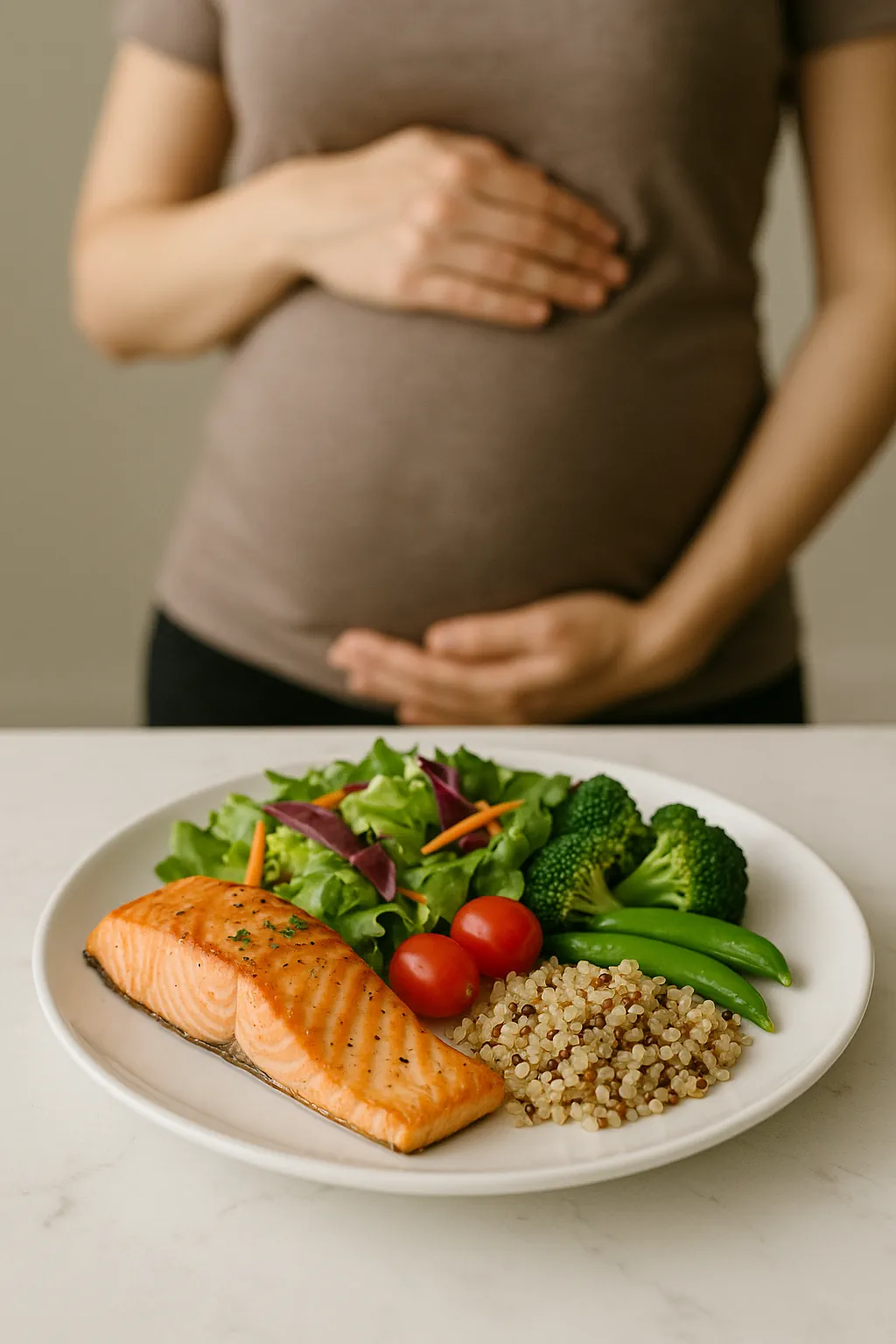
Vegetables & fruits: Rich in fibre, vitamins (especially C & folate) and anti-oxidants. E.g., berries, apples, broccoli, spinach.
-
Quality protein: Supports baby’s tissue and organ development. Include lean meat, poultry, fish (low in mercury), eggs, legumes.
-
Dairy or calcium-rich alternatives: For baby’s bones and your own. Yogurt, milk, cheese, or if avoiding dairy then almonds, kale, fortified products.
-
Iron & folate: Important for baby’s brain and blood system. Include lean red meat (if your diet allows), lentils, dark leafy greens. Take prenatal supplements as prescribed.
Foods to limit or avoid
Avoid raw or under-cooked meat and eggs, soft un-pasteurised cheeses, excess caffeine, energy drinks, high-salt processed foods (which can worsen swelling), and heavy fried/fatty meals.
Hydration & smart snacks
Drink at least 8 glasses of water daily. Snack smart: a handful of nuts + yoghurt, whole-grain crackers + peanut butter, or fruit with natural yoghurt.
Safe Exercise & Physical Activity at Week 18
Benefits
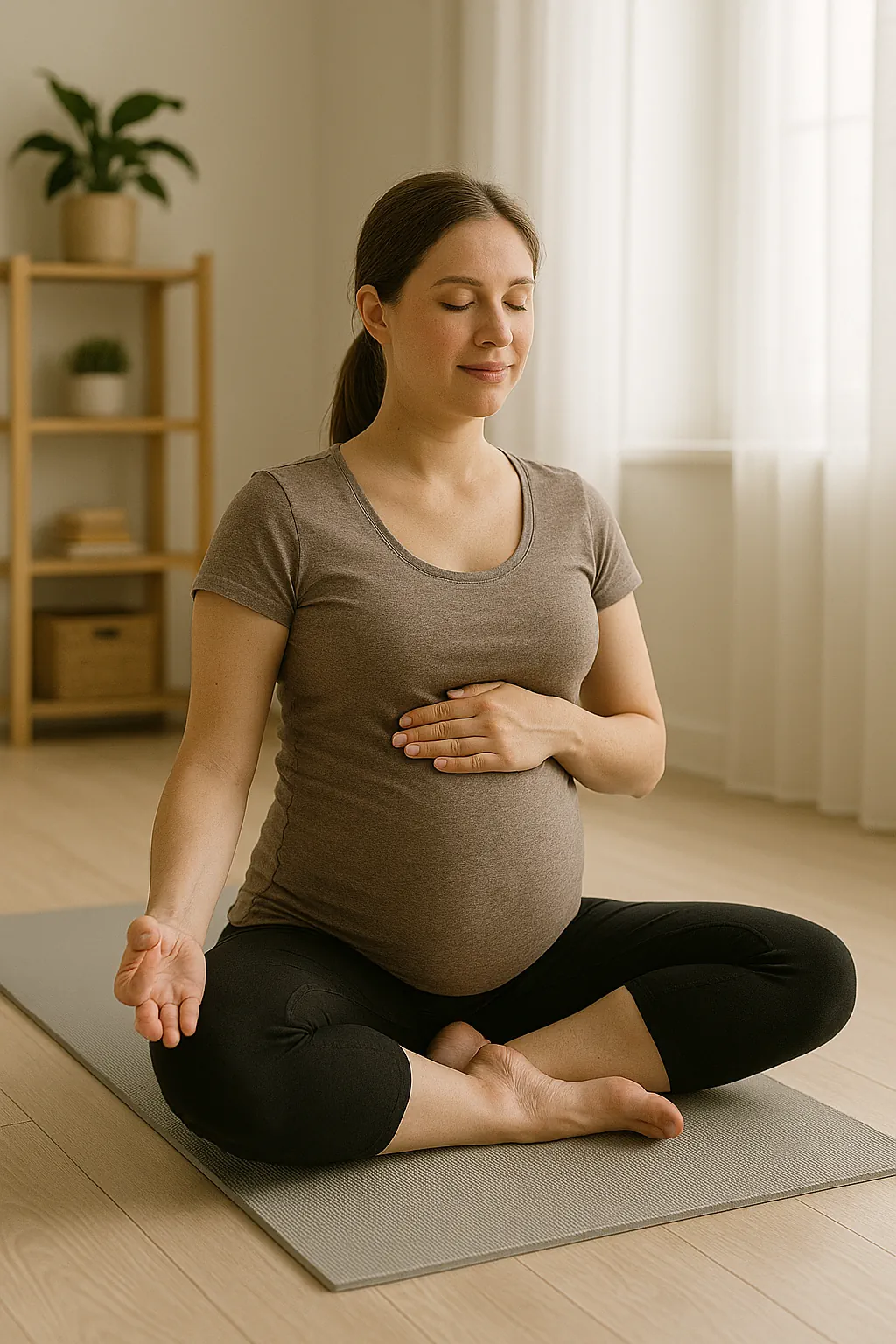
Gentle exercise improves circulation, boosts mood, eases muscle and joint discomfort, and helps prepare the body for birth.
Recommended activities
-
Walking: 20–30 minutes a day is excellent.
-
Pregnancy yoga or stretching: Helps flexibility and reduces back pain.
-
Swimming or water-based exercise: Supports body weight and eases pressure on joints.
-
Light strength training: Good if you were active before pregnancy—use lighter weights and higher repetitions. Avoid intense abdominal workouts.
Unsafe practices
Avoid high-impact sports, heavy lifting, lying flat on your back for long, jumping or jerky movements, and any activity with risk of falling or abdominal trauma.
FAQ: Common Questions at Week 18
How many months is 18 weeks?
18 weeks is typically the end of the 4th month and entering the 5th month of pregnancy.
Where is the baby located in the womb?
Around week 18, the uterus is above the pelvic bone. The baby lies in the lower abdomen, typically just above the pubic area and near the navel zone.
Can the baby’s gender be seen at this stage?
In many cases yes—during the anatomy scan (usually between 18-20 weeks) the technician may be able to determine gender, depending on fetal position and image clarity.
What is the baby’s average size and weight?
Around 14 cm length (head to bottom) and approximately 180-220 g weight (though there’s normal variation).
When will I feel baby movement?
Some women feel fluttering or “quickening” around now—especially if this is not their first pregnancy. If you don’t yet feel consistent movement by 24 weeks, inform your doctor.
Summary & Key Take-aways
Week 18 of pregnancy is a wonderful milestone: your baby is becoming more active, their senses are coming online, and your body is adapting to this life-forming journey.
Stay mindful of your nutrition, keep moving safely, monitor your body’s signals, and lean on your medical team when in doubt.
Next week, we’ll explore Week 19: What to expect and how to prepare—make sure you come back for that!
Are you expecting? Share this article with a friend who’s also in week 18 and comment below with one thing you’re excited to feel this week. Visit our blog each week for updated guides covering every stage of your pregnancy journey.


No comment