
What Happens in the 17th Week of Pregnancy?
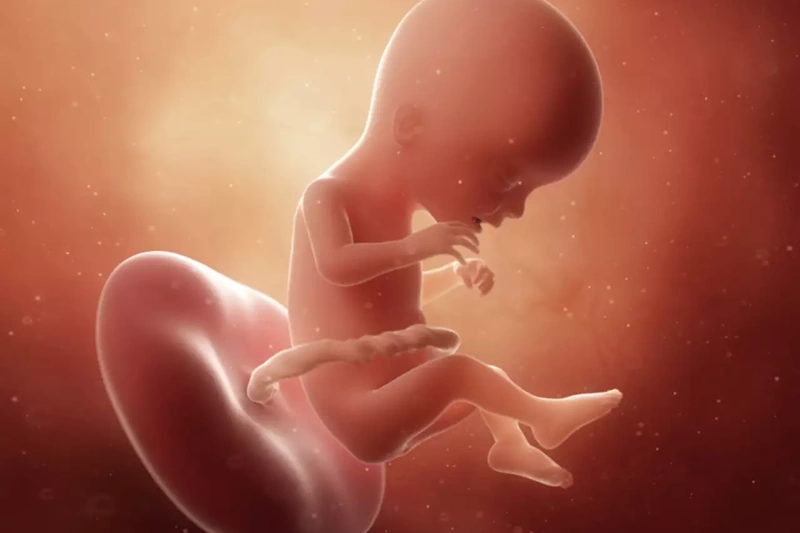
At 17 weeks pregnant, your baby is growing rapidly and your body is going through beautiful, visible changes.
Inside your womb, your little one is forming a protective layer called vernix caseosa — a creamy coating that protects their delicate skin from the amniotic fluid.
You may soon begin to feel your baby’s first gentle movements, often described as light flutters or bubbles in your lower abdomen.
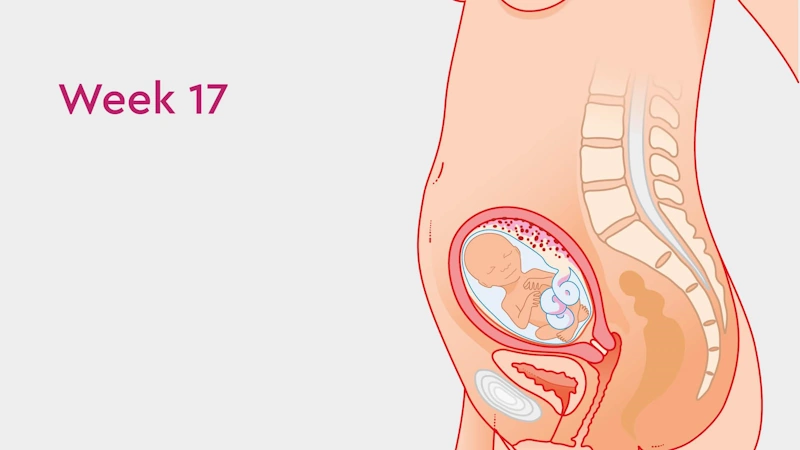
Meanwhile, your uterus is expanding, your belly is becoming rounder, and your breasts may feel larger or more sensitive as your body prepares for breastfeeding.
Baby Development in Week 17 of Pregnancy
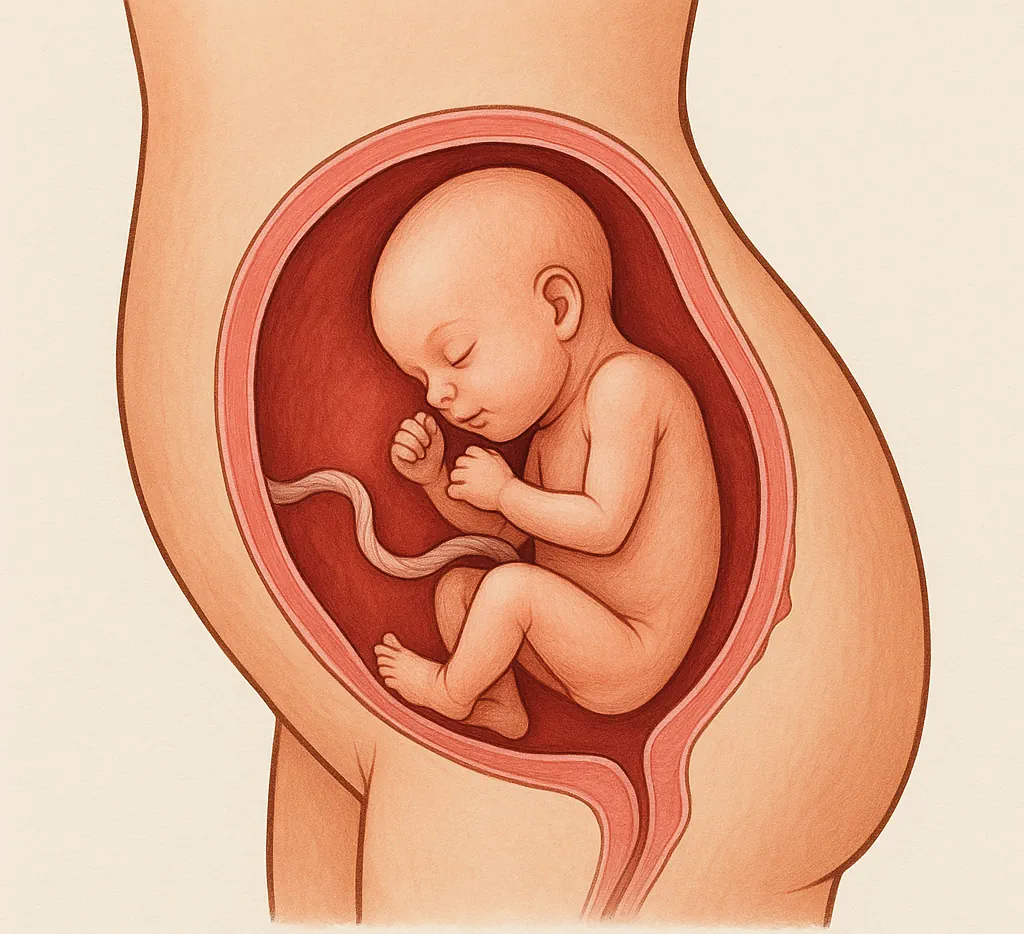
Your baby is now about 12.5 cm long (roughly the size of a pen) and becoming more active every day.
They can now move their hands and legs, touch their face, and even suck their thumb — practicing essential reflexes for life after birth.
Internal Growth
-
The circulatory and urinary systems are functioning efficiently.
-
Your baby practices breathing movements by inhaling and exhaling small amounts of amniotic fluid.
Sex-Specific Development
-
Tiny nipples and mammary glands are forming — even in boys.
-
In girls, the ovaries are developing millions of immature eggs (around 6 million), which will reduce to about 1 million at birth.
Baby’s Appearance
At this stage, your baby looks slender and delicate, slightly longer than the palm of your hand.
Their body hasn’t yet stored much fat, but in the coming weeks, a layer of body fat will form to help regulate temperature after birth.
Baby Movements at 17 Weeks: What to Expect
This week, your baby is more active than ever — stretching, turning, and kicking gently inside your uterus.
If this is your first pregnancy, you may not feel these movements yet, but soon you’ll experience one of the most exciting moments of pregnancy — feeling your baby move!
When Will I Feel My Baby Move?
Most women feel the first movements between 18 and 20 weeks, though some may notice them as early as week 16.
Mothers who have been pregnant before tend to recognize these sensations earlier.
At first, the movements may feel like gentle flutters, bubbles, or slight twitches — and by week 25, they become stronger and unmistakable.

If You Haven’t Felt Any Movement Yet
Don’t worry!
Factors such as placenta position, maternal weight, and activity level can affect when you first notice movement.
Try lying quietly on your side and focusing on your belly for a few minutes each day.
If you haven’t felt any movement by week 22 or 23, consult your obstetrician for reassurance.
Your Body in Week 17 of Pregnancy
Your body continues adapting to pregnancy in remarkable ways.
You might notice new sensations — most are normal and temporary.
Dizziness and Lightheadedness
Feeling dizzy when standing up or sitting down is common.
This happens because blood flow momentarily decreases when you change position.
✅ Tips to reduce dizziness:
-
Stand up slowly.
-
Avoid standing for long periods.
-
Stay well-hydrated and eat small, frequent meals.
If dizziness is severe or accompanied by fainting, contact your healthcare provider.
Other Common Body Changes
-
A growing belly and expanding uterus
-
Breast tenderness or enlargement
-
Increased vaginal discharge
-
Occasional mild back pain or pelvic pressure
-
Darker patches on the skin (pregnancy mask or melasma)
Medical Tests and Difficult Decisions in the Second Trimester
In rare cases, tests such as amniocentesis may reveal genetic or structural abnormalities in the fetus.
These situations require thoughtful discussion and professional guidance.
Before making any major decision:
-
Confirm the test results with your obstetrician.
-
Discuss options with a genetic counselor.
-
Seek emotional support from a psychologist if needed.
All medical or emotional decisions should be made under specialist supervision, considering both the mother’s and baby’s wellbeing.
Do’s and Don’ts in the 17th Week of Pregnancy
✅ Do’s
-
Eat a balanced diet rich in fruits, vegetables, lean proteins, and whole grains.
-
Stay hydrated — drink at least 8 glasses of water per day.
-
Exercise gently: prenatal yoga, walking, or light stretching.
-
Sleep on your left side to improve blood flow to the baby.
-
Wear comfortable, loose clothing.
-
Keep up with your scheduled check-ups and ultrasounds.
🚫 Don’ts
-
Avoid lifting heavy objects.
-
Don’t take any medication or herbal supplement without your doctor’s approval.
-
Avoid smoking, alcohol, and excessive caffeine.
-
Don’t stand for long periods.
-
Manage stress — listen to calming music, breathe deeply, and rest often.
Diet and Exercise in Week 17 of Pregnancy
Healthy Diet Tips
Your body now needs more iron, calcium, and folic acid.
Eat:
-
Lean meat, chicken, or eggs
-
Fresh fruits and vegetables
-
Whole grains and legumes
-
Nuts and olive oil for healthy fats
Avoid:
-
Sugary drinks
-
Undercooked meat or eggs
-
Processed foods with high salt or fat
Safe Exercises
Avoid intense workouts. Focus on flexibility and strength-building routines.
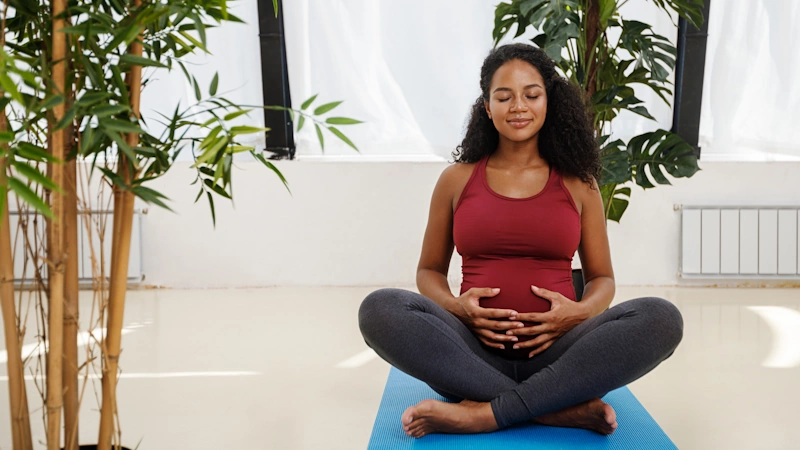
Prenatal Yoga
Gentle yoga stretches your body, improves posture, and helps manage stress.
Choose Hatha Yoga or beginner prenatal yoga classes.
Avoid Hot Yoga (Bikram) and any pose requiring deep bending or jumping.
Tai Chi
This Chinese practice combines soft, flowing movements with breathing and balance.
It’s perfect for pregnancy, as it improves posture, reduces back pain, and lowers stress.
Joining a Class
Select small classes (12–15 people) led by experienced instructors.
Always inform your trainer that you are pregnant, and stop any movement that causes discomfort.
FAQ – Frequently Asked Questions About Week 17 of Pregnancy
❓ Is it a good idea to move to a bigger house during pregnancy?
It’s best to wait until after delivery. Moving can cause stress and fatigue, and you may lose your local emotional support system.
❓ Can loneliness after pregnancy affect my mood?
Yes. Isolation and lack of social contact can increase the risk of postpartum depression. Stay connected with friends and family for emotional support.
❓ Is buying a new house during pregnancy a good financial decision?
Usually not. The expenses of pregnancy and newborn care can be high, so large financial commitments should be postponed if possible.
❓ Is home renovation safe during pregnancy?
No. Renovation can expose you to dust, paint fumes, and lead particles, which may be harmful to your baby. Avoid staying in the house during renovations.
Final Tip
Every pregnancy is unique.
If you notice unusual symptoms or feel unsure about your baby’s movements, consult Dr. Maryam Aghaei, your obstetrician and gynecologist, for personalized advice and care. ❤️


No comment