
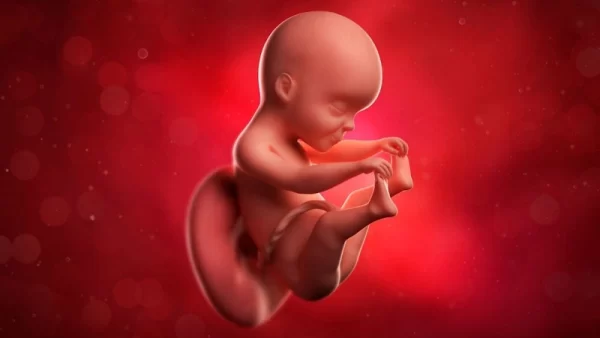
Week 14 of pregnancy marks the start of your second trimester — often described as the most comfortable and energetic phase of pregnancy. By now, many early symptoms such as nausea, fatigue, and morning sickness have started to fade, giving you a renewed sense of energy and appetite.
Meanwhile, your baby is growing rapidly. Major developments are occurring in the nervous system, muscles, and sensory organs. This week represents a critical milestone, as both your body and your baby enter a stage of dynamic growth and stability.
In this article from Dr. Maryam Aghaei, we’ll explore in detail:
-
How your baby develops during week 14
-
The physical and hormonal changes you’ll experience
-
Common symptoms and how to manage them
-
Nutrition and safe exercises for a healthy pregnancy
👶 Fetal Development in Week 14 of Pregnancy
🧠 Physical Growth of the Baby
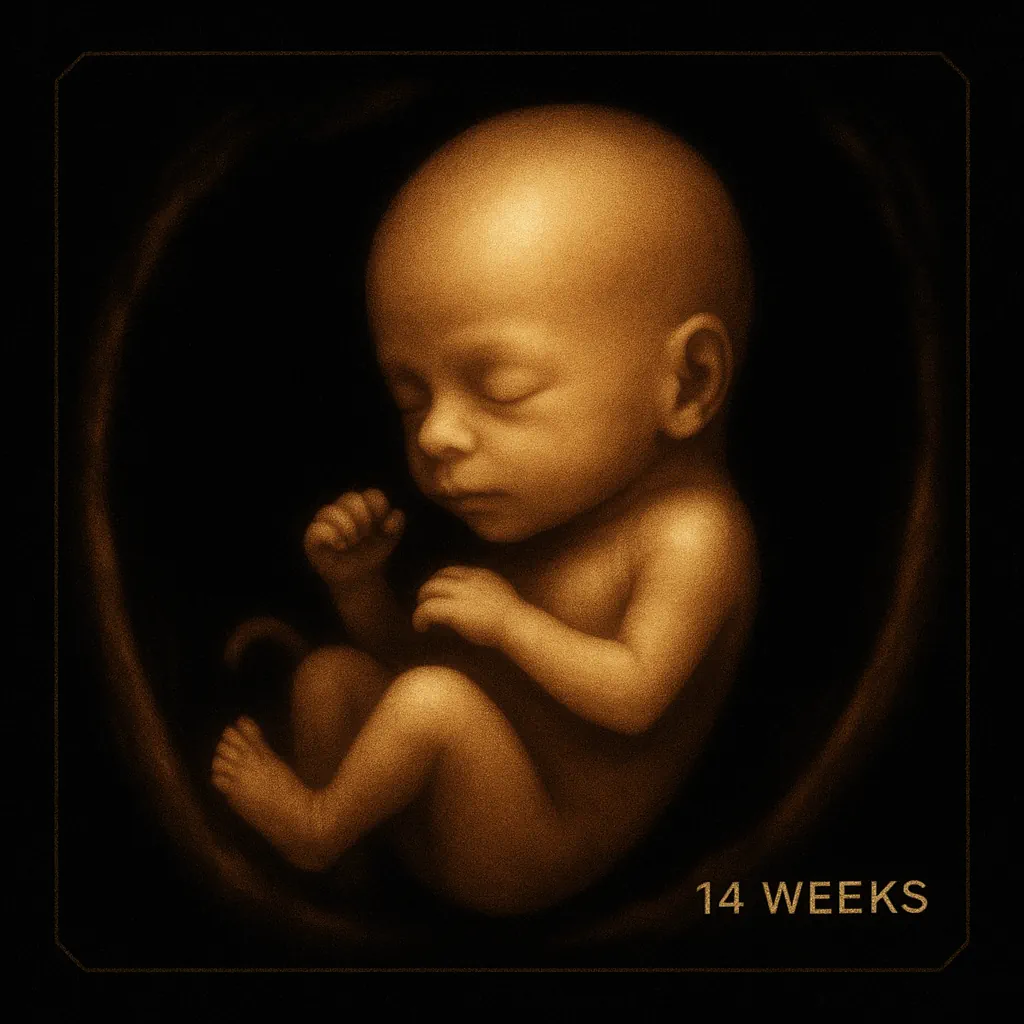
By week 14, your baby is about the size of a lemon, measuring approximately 2.8 to 4 inches (7–10 cm) in length and weighing around 2 ounces (56 grams).
At this point, your baby’s body is fully formed, and spontaneous movements inside the uterus have begun — even though you can’t feel them yet.
-
The arms and legs are lengthening, and your baby can move their fingers and toes.
-
The nervous system continues to develop rapidly, allowing for more coordinated movements.
-
The neck is now visible, and the head is no longer resting on the chest.
-
The eyes and ears are moving toward their final positions, giving the face a more human-like appearance.
Fine lanugo hair begins to cover the baby’s skin, helping regulate body temperature. The thyroid gland starts producing its own hormones, supporting healthy metabolism and growth.
Internal Development and Organ Function
Internally, your baby is going through fascinating changes:
-
The lungs are maturing and preparing for breathing after birth.
-
Genital organs are now fully formed — the prostate develops in boys, while ovaries begin to form in girls.
-
The bone marrow starts producing red blood cells, replacing the liver’s early role.
Your baby moves hundreds of times a day — stretching, bending, and even sucking their thumb — though you won’t feel it yet. The eyelids remain closed and won’t open until around week 23.
Hair, eyebrows, and eyelashes are beginning to form, and the thyroid hormones are now active, ensuring continued organ growth and energy regulation.
🤰 Changes in the Mother’s Body During Week 14 of Pregnancy
By week 14 of pregnancy, your body has adapted remarkably to support your growing baby. As hormonal levels stabilize, many women experience a noticeable boost in energy, mood, and appetite. Yet, new physical changes begin to emerge as your uterus expands and your body prepares for the coming months.
🔹 Hormonal Changes and Their Effects
During this stage, levels of estrogen and progesterone continue to rise, ensuring a healthy placenta and stable pregnancy. These hormones play a vital role in supporting the baby’s growth and maintaining the uterine lining.
You may notice that:
-
Your hair looks thicker and shinier, thanks to hormonal stimulation.
-
Your skin may appear brighter or slightly oily due to increased sebum production.
-
Occasionally, mild nasal congestion or gum sensitivity can occur — both normal hormonal effects.
📚 (NIH, 2023)
🩺 Dr. Maryam Aghaei’s tip: These hormonal effects are completely natural and usually fade after delivery. Maintain hydration and a gentle skincare routine to support your body’s changes.
🔹 Uterine Growth and Belly Expansion
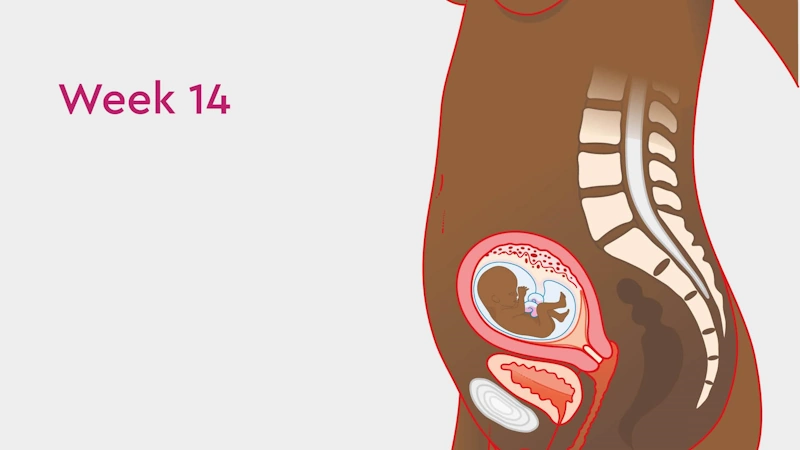
Your uterus is now about the size of a grapefruit, positioned roughly an inch (2.5 cm) below your navel. You may notice your belly becoming slightly more prominent — the first visible sign of pregnancy for many mothers.
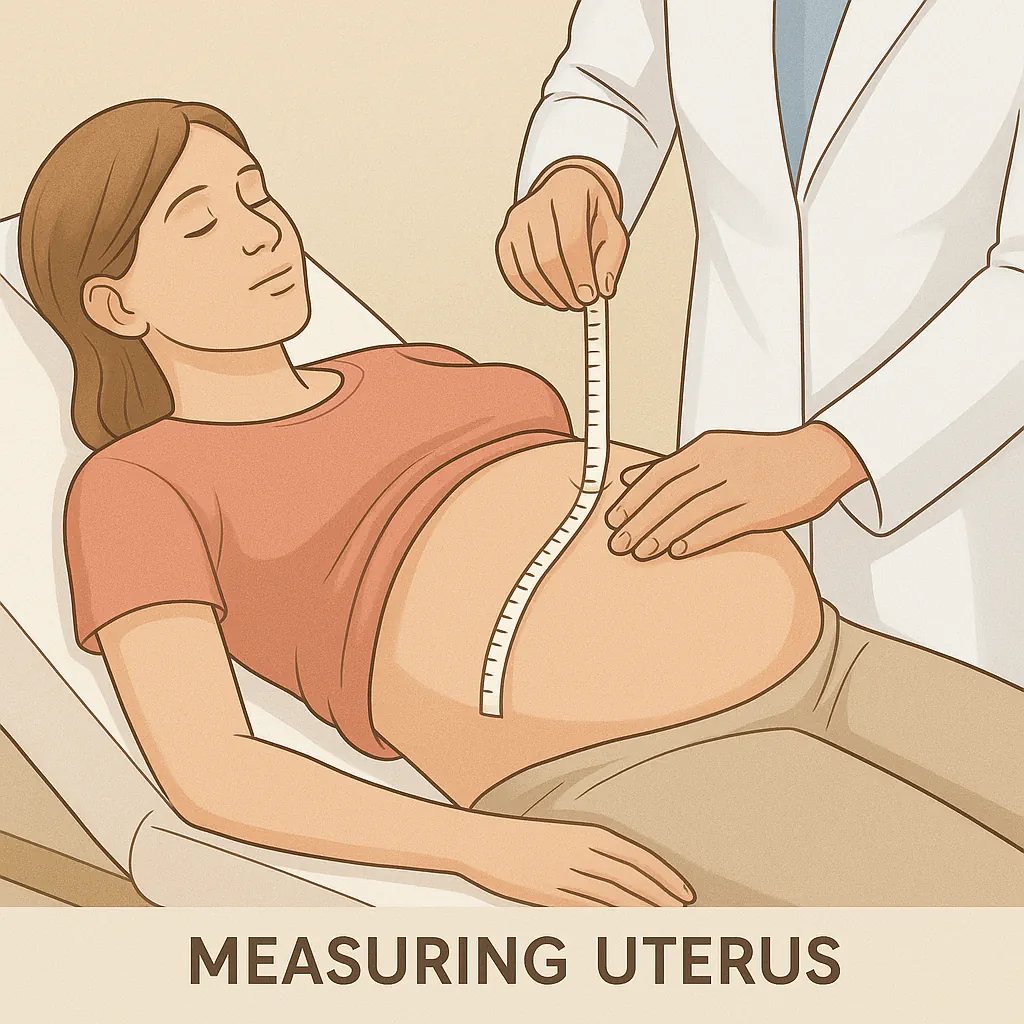
When lying on your back, you may be able to feel the top of your uterus by gently pressing just below your belly button. Don’t worry — touching your abdomen won’t harm your baby. The amniotic sac and the strong uterine wall provide excellent protection.
At each prenatal visit, your obstetrician will measure the fundal height (from the pubic bone to the top of the uterus) to ensure that the baby’s growth matches the expected timeline.
💡 By week 16, your uterus should reach halfway between the pubic bone and the navel — a reassuring sign of normal development.
🔹 Sleep and Comfortable Sleeping Positions
Sleeping on your stomach may start to feel uncomfortable, but if it still feels fine, it’s safe for now. As your belly grows, you’ll naturally shift to side-sleeping positions.
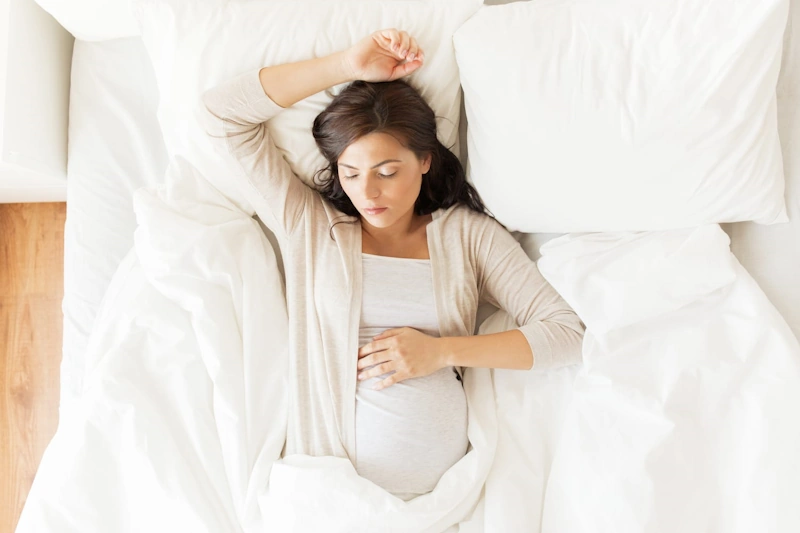
Sleeping flat on your back is not recommended later in pregnancy because it can put pressure on the vena cava — a major vein that returns blood to your heart — leading to dizziness or low blood pressure.
The best position is to sleep on your left side, which helps improve blood flow to the placenta and reduces swelling.
🩺 Dr. Aghaei’s advice: Try using a pregnancy pillow to support your belly and hips. It helps your body adjust naturally to side-sleeping and reduces back pain.
⚠️ Common Problems in Week 14 of Pregnancy and How to Manage Them
Although week 14 brings relief from early pregnancy discomforts, some new symptoms may appear as your body continues to adjust. The most common issues include indigestion, mood swings, and constipation. Here’s how to recognize and manage each safely.
🔹 Indigestion and Heartburn
Cause:
During pregnancy, rising levels of progesterone relax the muscles between the esophagus and stomach, allowing acid to flow upward more easily. Additionally, digestion slows down so your body can absorb nutrients more efficiently — this combination often leads to acid reflux and heartburn.
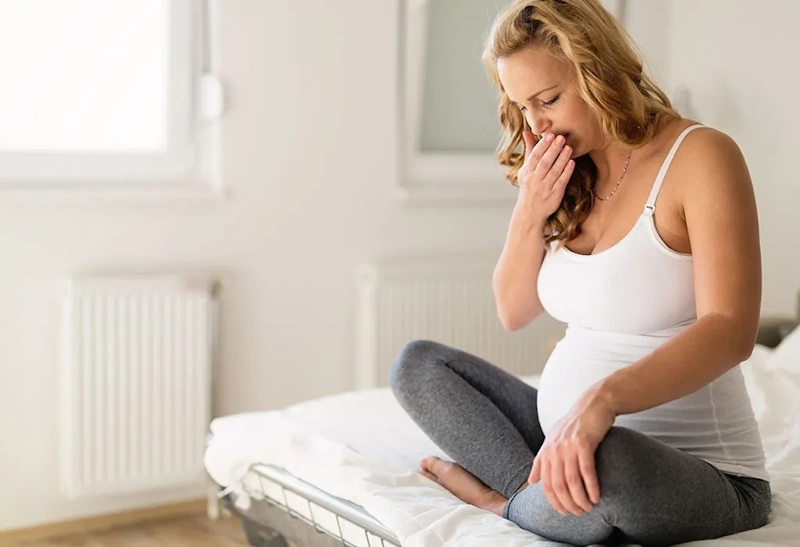
Symptoms may include:
-
A burning sensation in the chest (especially after eating)
-
Sour taste in the mouth or throat
-
Bloating or a heavy feeling after meals
Relief strategies:
✅ Eat smaller, more frequent meals instead of three large ones.
✅ Avoid spicy, fatty, and acidic foods such as tomatoes, citrus, coffee, and chocolate.
✅ Drink fluids between meals, not during.
✅ Stay upright for at least one hour after eating.
✅ Chew sugar-free gum to increase saliva and neutralize stomach acid.
✅ Elevate your head while sleeping using extra pillows.
🩺 Dr. Maryam Aghaei’s tip: Antacids like Tums or Mylanta are generally safe during pregnancy, but always consult your obstetrician before using any medication.
🔹 Mood Changes and Anxiety
Cause:
Fluctuating hormones during the second trimester can cause emotional ups and downs. While mild mood swings are normal, persistent sadness or irritability could signal prenatal depression or anxiety.
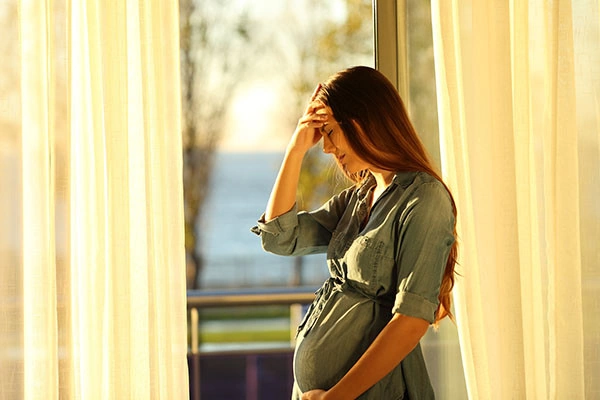
Symptoms:
-
Crying spells or emotional sensitivity
-
Loss of motivation or interest
-
Restlessness or excessive worry
-
Irritability or anger outbursts
How to manage emotional changes:
🌿 Practice deep breathing, meditation, or prenatal yoga daily.
🚶♀️ Go for short walks in fresh air to boost endorphins.
💬 Talk openly with your partner, friends, or a mental health professional.
💤 Ensure enough sleep and balanced meals to stabilize your mood.
⚠️ If you feel constantly sad, hopeless, or have thoughts of self-harm, contact your doctor immediately. Prenatal depression is treatable and should never be ignored.
🔹 Constipation and Hemorrhoids
Cause:
The progesterone hormone slows bowel movement, and the growing uterus puts pressure on your intestines. This can result in constipation and sometimes hemorrhoids (swollen veins around the rectum).
Prevention and relief:
🥦 Eat more fiber-rich foods like vegetables, fruits, and whole grains.
💧 Drink 8–10 glasses of water daily to keep digestion smooth.
🚶♀️ Engage in light exercise such as walking or prenatal stretching.
🥣 Consider fiber supplements like psyllium (Metamucil) with your doctor’s approval.
🩺 Dr. Aghaei’s tip: Avoid using over-the-counter laxatives unless prescribed. Some types can stimulate uterine contractions.
🥗 Nutrition and Exercise in Week 14 of Pregnancy
As you move into the second trimester, your body needs additional nutrients and gentle physical activity to support your baby’s rapid development. In week 14 of pregnancy, a balanced diet and moderate exercise can improve your energy, digestion, and overall well-being.
🔹 Healthy Nutrition in Week 14
🧠 Why Nutrition Matters
Your baby’s brain, bones, and organs are growing quickly during this stage. To meet these increased needs, you must consume enough protein, calcium, iron, and B vitamins to support both you and your developing baby.

✅ Recommended Foods
-
Protein: Lean meats, chicken, fish, eggs, legumes, lentils, and nuts
-
Calcium: Low-fat dairy, almonds, sesame seeds, and broccoli
-
Iron: Red meat, chicken liver (in moderation), spinach, and lentils
-
Vitamin B: Whole grains, eggs, milk, and fortified cereals
-
Fiber: Fresh fruits, vegetables, and oats to prevent constipation
🚫 Foods to Limit
-
Greasy or fried foods (can worsen heartburn)
-
Caffeinated or carbonated drinks
-
Highly acidic foods such as tomatoes and citrus fruits
-
High-sodium snacks like chips, pickles, and processed foods
🔹 Reducing Sodium Intake
Excess salt can lead to water retention and swelling, especially in the third trimester. Moderation, rather than complete elimination, is key.
💡 Tips to Lower Sodium
-
Remove the salt shaker from your dining table.
-
Ask for no added salt when eating out.
-
Use lemon juice, herbs, or mild spices instead of salt for flavor.
-
Avoid canned soups, deli meats, sauces, and packaged snacks.
-
Read nutrition labels — aim for less than 2,400 mg of sodium daily.
🩺 Dr. Maryam Aghaei’s tip: Cutting back on salt reduces swelling and helps regulate blood pressure throughout pregnancy.
🔹 Plant-Based Protein Options

If you’re vegetarian or can’t tolerate meat, there are many nutritious alternatives to meet your protein needs:
-
Low-fat dairy (milk, yogurt, cheese)
-
Eggs (no more than 4 yolks per week)
-
Legumes (lentils, chickpeas, kidney beans)
-
Nuts (almonds, walnuts, cashews, peanuts)
-
Peanut butter or lentil soup as easy sources of protein
Be mindful of portion sizes — nuts and dairy can be calorie-dense, even if they’re healthy.
🔹 Exercise During Week 14 of Pregnancy
Most women feel more energetic at this stage, making it an ideal time to start or maintain a light exercise routine.
✅ Recommended Activities
-
Walking – 20–30 minutes daily to improve circulation and mood
-
Swimming – gentle on the joints and great for cardiovascular health
-
Prenatal yoga – relieves stress and strengthens the core
-
Kegel exercises – strengthen pelvic floor muscles and prevent incontinence
⚠️ Activities to Avoid
-
High-impact workouts or heavy lifting
-
Contact sports and exercises with a risk of falling (e.g., skiing, horseback riding)
🩺 Dr. Aghaei’s advice: If you feel dizzy, breathless, or experience abdominal pain during exercise, stop immediately and contact your doctor.
🔹 The Power of an Exercise Partner
Staying consistent can be tough — but having a workout buddy makes it easier! Research shows that pregnant women who exercise with a friend are more likely to stay active. Choose someone with a similar fitness level so you can motivate each other and make it fun.
🩷 Conclusion: Week 14 of Pregnancy
Week 14 of pregnancy marks a joyful turning point — nausea and exhaustion are fading, and many mothers feel stronger and more energetic. Your baby is growing quickly, developing recognizable facial features and active movements inside the womb.
At this stage, focus on:
-
Eating a balanced diet rich in iron, protein, and calcium
-
Staying hydrated and limiting high-sodium foods
-
Doing gentle exercises like walking or prenatal yoga
-
Getting enough sleep and reducing stress
The second trimester is often called the “golden period” of pregnancy — enjoy it, listen to your body, and keep up with regular prenatal checkups.
🩺 Dr. Maryam Aghaei’s final advice: Each pregnancy is unique. Don’t compare your experience with others — focus on your own comfort, nutrition, and emotional well-being.
❓ Frequently Asked Questions (FAQ)
1. Is it safe to have sex during week 14 of pregnancy?
Yes — if your pregnancy is normal and your doctor hasn’t advised otherwise. However, avoid intercourse if you experience bleeding, pain, or a history of preterm labor. Always follow your physician’s recommendations.
2. How much should my baby weigh at week 14?
By this week, your baby typically weighs about 2 ounces (56 grams) and measures 2.8 to 4 inches (7–10 cm) long. These numbers may vary slightly, but your doctor will confirm growth during ultrasounds.
3. Is swelling normal in week 14 of pregnancy?
Mild swelling of the feet or hands is common due to increased blood volume. However, sudden or severe swelling — especially in the face — could signal high blood pressure (preeclampsia). Contact your doctor if this occurs.
4. Can I start exercising in week 14?
Yes! The second trimester is the perfect time to begin a light exercise routine, such as walking, swimming, or prenatal yoga. Avoid strenuous or high-impact workouts and always stay hydrated.


No comment