
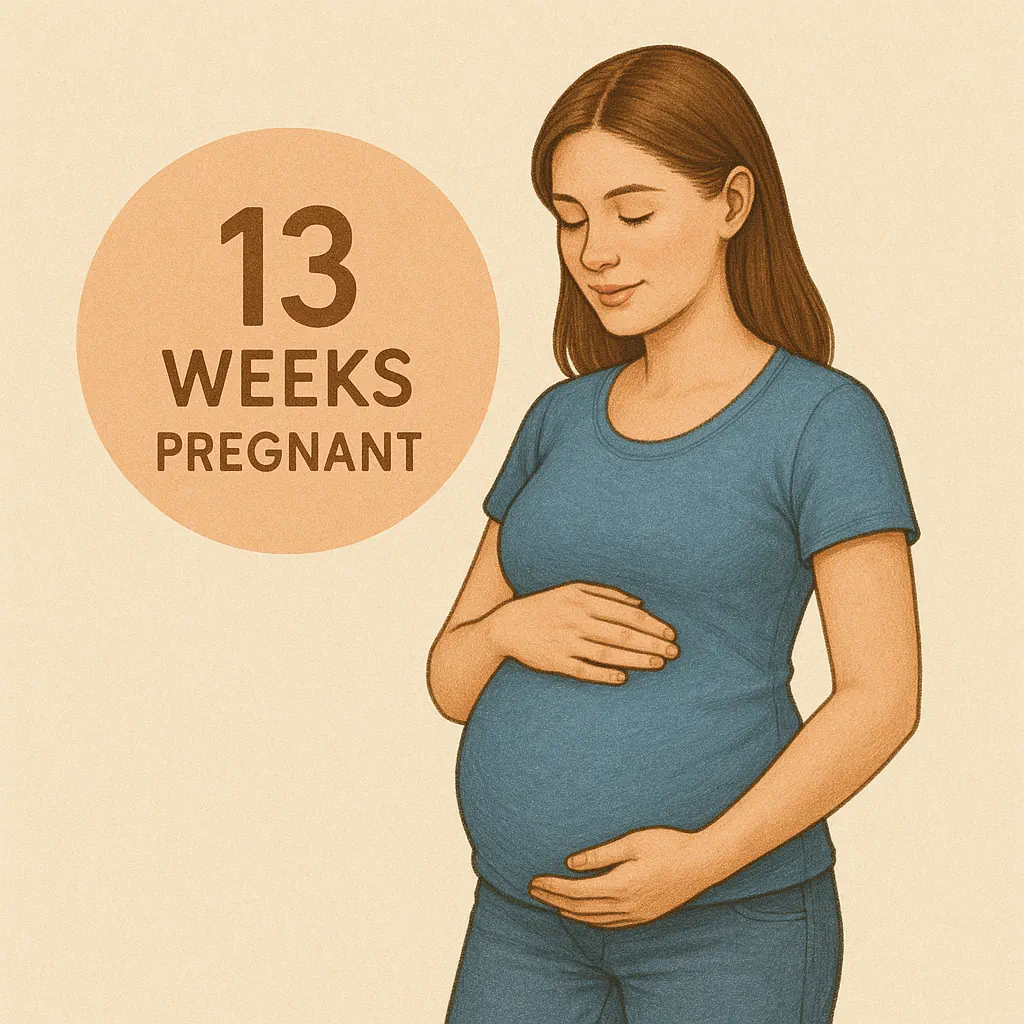
As you enter week 13 of pregnancy, your baby and your body are both going through remarkable changes. This week marks the beginning of the second trimester, a more stable and energetic phase for most mothers.
How Your Baby Is Growing in Week 13
By week 13 of pregnancy, your baby measures around 7.4 centimeters, about the size of a peach. The ovaries or testes have now developed internally, and external genitalia are completing their formation.
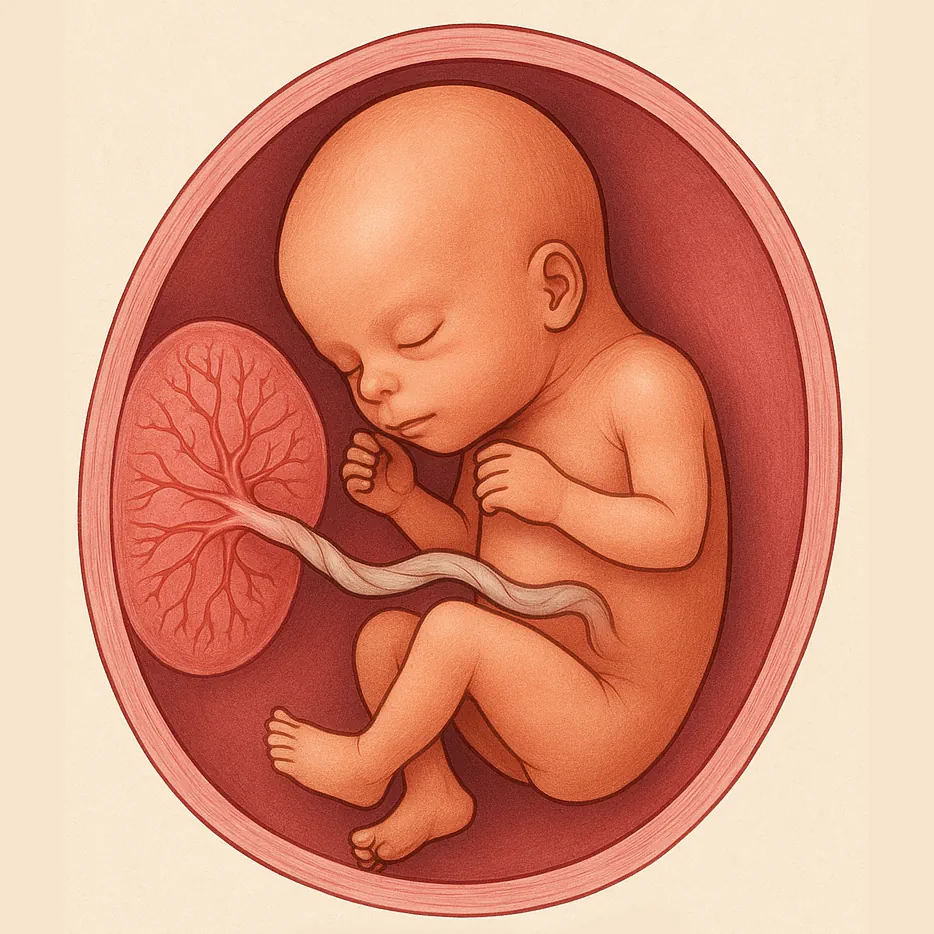
Your baby has started to move actively, though these movements are still reflexive and uncontrolled. In the coming weeks, movements will become more intentional and coordinated.
Inside Your Baby’s World
During week 13, your baby’s growth is rapid. Most major organs are now formed and continue to mature to prepare for life outside the womb.
Although your baby still receives oxygen from your bloodstream through the placenta, the chest muscles are already practicing breathing motions. The kidneys have begun functioning, producing small amounts of urine that mix with the amniotic fluid.
The placenta is now fully active, producing hormones and red blood cells to support your baby’s development. The face looks more human-like, and the heartbeat—though slower than before—is strong enough to be heard through a Doppler device during your check-up.
Your Body at Week 13 of Pregnancy
By the 13th week of pregnancy, your body begins to adjust to this new rhythm. Morning sickness, fatigue, and mood swings usually start to fade, and you’ll likely feel more energized.
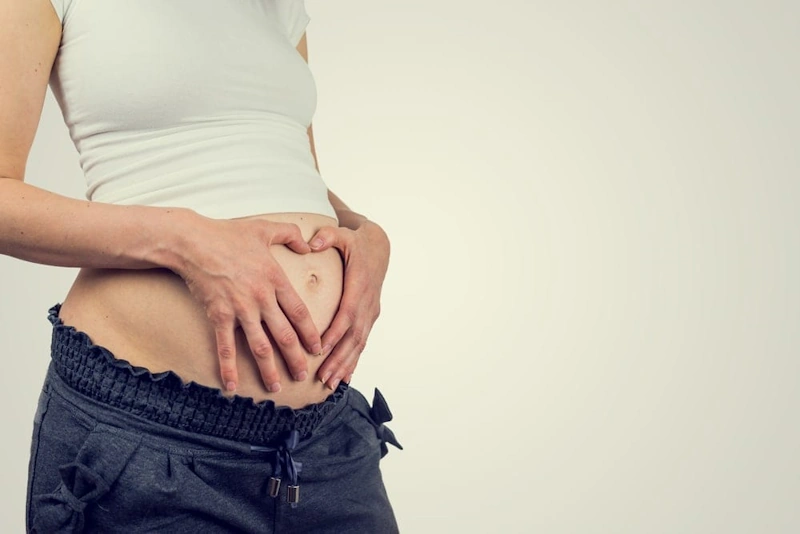
Your uterus is now rising above the pelvis, and a slight baby bump may appear. It’s time to switch to comfortable maternity clothing.
You might also notice a healthy glow due to increased blood flow and hormones. However, some women may experience mild acne or pigmentation.
Increased vaginal discharge is normal unless accompanied by odor or itching. Digestive issues such as bloating, constipation, or heartburn are also common—drinking plenty of water, eating fiber-rich foods, and taking short walks can help.
Understanding Yourself in Week 13
Tired of Everyone’s Advice?
Now that you’ve shared the news of your pregnancy, you might find yourself overwhelmed with advice and opinions from friends and family. Most people mean well, but constant suggestions can be stressful and confusing.
Remember, these conversations are often a way for others to connect with you, not instructions you must follow. Smile, listen politely, and follow only what feels right for you.
Myths vs. Science
Unfortunately, pregnancy advice is often filled with myths and misinformation—from “eating carrots improves your baby’s eyesight” to “craving sour foods means you’re having a boy.”

Trust medical science over superstition. If you receive advice that sounds doubtful, check with your obstetrician or midwife before acting on it.
Sharing Household Duties
Even if both partners work, women often take on more household responsibilities—especially during pregnancy. Now is the perfect time to rebalance chores with your partner.
Create a list of tasks and divide them fairly. Encourage rather than criticize; teamwork at home creates a healthier environment for you and your baby.
Nutrition and Exercise in Week 13
A balanced diet is key in week 13, now that your appetite is returning. Always check food labels to understand what you’re eating—especially for calories, sugar, fiber, and nutrients.
Reading Food Labels
Calories
You don’t need to count every calorie, but understanding general calorie values helps prevent under- or overeating.
Serving Size
Portion sizes listed on packages are often smaller than expected—for example, one bowl of cereal may actually equal two servings.
Sugar
Even “no added sugar” items can be high in natural sugars. 100% fruit juice, for instance, may raise your blood sugar despite having no added sweeteners.
Fiber
Aim for 25–35 grams of fiber daily to prevent constipation and stabilize blood sugar levels.

Vitamins and Minerals
During pregnancy, your body needs extra vitamins A, B (especially B6, B12, and folic acid), C, and D, as well as minerals like calcium, magnesium, and zinc.
Sodium
Most pregnant women don’t need to limit salt unless they have high blood pressure or swelling. However, be mindful of hidden sodium in processed foods.
Caffeine and Alcohol
Completely avoid alcohol, as it passes through the placenta to your baby.
Limit caffeine intake to 300 mg per day (about one to two cups of coffee).
Exercise in Week 13
If your pregnancy is healthy, start or continue light exercises such as walking, swimming, prenatal yoga, or gentle stretching.
Regular activity helps improve circulation, sleep, and energy, and prevents excessive weight gain.
Always consult your doctor before starting any new workout routine.
Common Questions About Week 13 of Pregnancy
“My last pregnancy was very difficult. Will this one be the same?”
Not necessarily. Every pregnancy is different. Some mothers experience fewer symptoms the second time, while others may feel more tired.
You may notice your baby’s movements earlier this time (around week 16), compared to the first pregnancy (around week 20). That’s because your body is now more familiar with these sensations.
Subsequent pregnancies also tend to show earlier because abdominal muscles are more relaxed. The good news is that second labors are often shorter and smoother, as your body “remembers” the process.
“Is it safe to paint my home or workspace?”
Yes, but take precautions.
Use latex (water-based) paints that are free of lead and mercury. Avoid oil-based paints and solvents, as their fumes can be toxic.
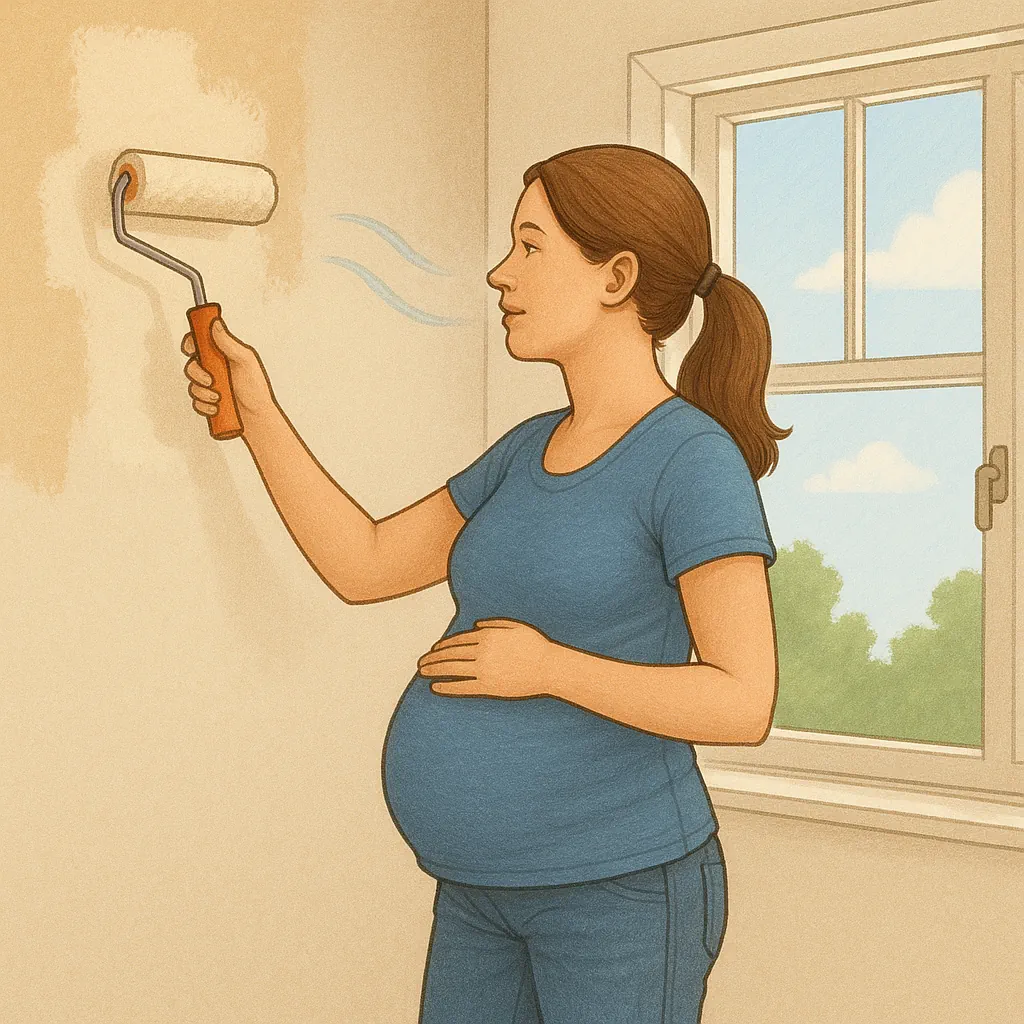
Ensure proper ventilation, avoid climbing ladders, and take breaks frequently. Ask your partner for help with difficult spots. Safety and rest come first!
Final Thoughts and Tips for Week 13
By week 13 of pregnancy, you’ve entered a calmer phase of this journey. Your energy is returning, your baby is growing fast, and your body is adapting beautifully.
Here are some final tips:
-
Eat balanced meals rich in vitamins and fiber.
-
Stay hydrated and get enough rest.
-
Avoid alcohol, smoking, and excess caffeine.
-
Maintain gentle daily movement or prenatal exercise.
-
Listen to your body and consult your doctor for any unusual symptoms.
Each week of pregnancy is a step toward meeting your baby. Enjoy these changes, take care of yourself, and trust your body—it knows exactly what to do.




No comment