
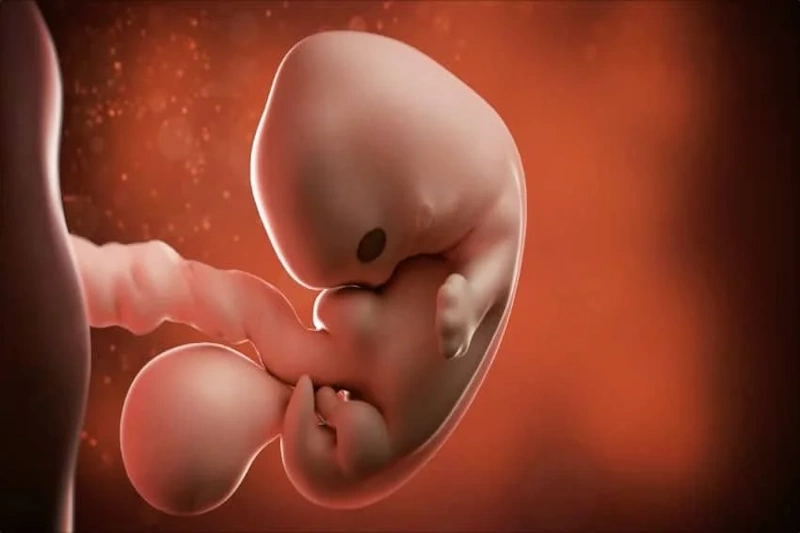
Week 7 of pregnancy is an exciting yet challenging stage. Your baby is growing rapidly, and your body is already adjusting to the changes of early pregnancy. At this stage, many women experience physical symptoms, emotional shifts, and new responsibilities that can feel overwhelming.
In this article, we will guide you through your baby’s development, your body’s changes, emotional well-being, nutrition, safe exercise, and common questions during week 7 of pregnancy. Whether this is your first pregnancy or you have other children, this guide will help you navigate this week with confidence and care.
Your Baby in Week 7 of Pregnancy
Although your baby is only about 3 cm long and still curled like a tiny spiral, they are growing rapidly. Most of the growth is happening in the brain, where about 100,000 new nerve cells are formed every minute. These cells branch and connect, forming early pathways for the central nervous system. By the time your baby is born, their brain will have over 10 million interconnected neurons.
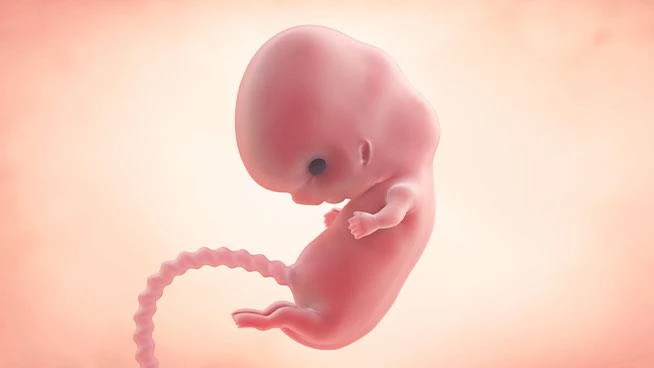
The heart rate is faster than in week 6, and small bulges are forming in the heart tube. Cells are rapidly dividing to form 40 pairs of muscles and 23 pairs of vertebrae in the spine. The buds of arms and legs are growing and now look like tiny paddles. Outer ears are starting to form, and elbows, wrists, and knees now have joints. Eyelid formation is almost complete.
Your Body in Week 7 of Pregnancy
Pregnancy Symptoms
By week 7, you may finally feel pregnant, even if your appearance hasn’t changed much yet. You might notice that your clothes feel tighter, especially if this is not your first pregnancy. This is because your uterus is expanding to accommodate the growing baby.
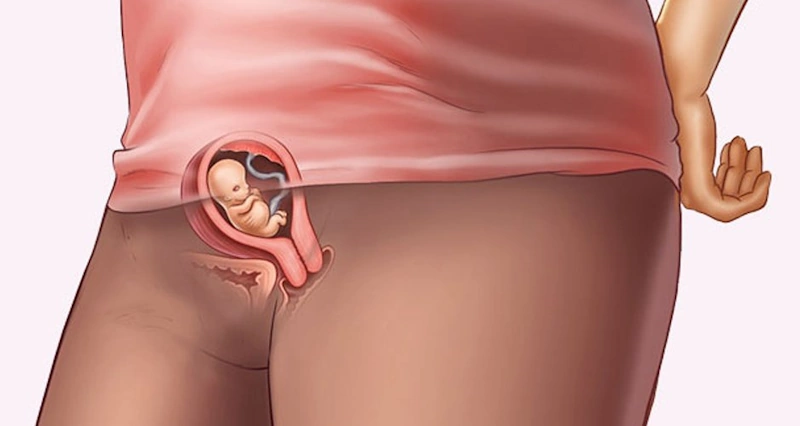
The upper part of the uterus, called the cervix, is muscular and flexible, stretching up to 100 times its original length to hold your baby. Currently, your uterus is still under your pelvic bone, but in a few weeks it will rise and sit between your stomach and intestines.
Your hormones may cause some weight gain, bloating, or constipation, which is normal in week 7. Digestion slows, your body retains more water, and you may feel abdominal discomfort.
If your cramps are mild and not accompanied by bleeding, there is usually no cause for concern. But contact your doctor if pain persists.
Vaginal Yeast Infections in Week 7
Due to hormonal changes, you may experience yeast infections more often. These infections are caused by naturally occurring fungi and are usually not harmful to the baby. If left untreated at delivery, your baby might develop mild oral thrush in the first week, which is treatable.
Symptoms include:
- White, cheese-like vaginal discharge
- Itching and burning, especially at night or during intimacy
- Mild redness around the vaginal opening
Tips for relief:
- Wear loose, breathable cotton underwear and keep the area dry.
- Change out of wet clothes immediately after swimming.
- Avoid tight clothing.
- Your doctor may prescribe safe antifungal medications like Monistat if necessary.
Safe home remedies:
- Add 1 cup of cornstarch and 2 cups of baking soda to warm bath water
- Use a cold compress for itching
- Eat natural yogurt for healthy bacteria
Emotional Changes in Week 7
In week 7, your emotions may feel like a rollercoaster. You might laugh, cry, feel anxious, or easily irritated. Hormonal changes are partly responsible, but the life-changing reality of becoming a parent also plays a role.
Coping tips:
- Talk openly with your partner about your feelings
- Share your fears and concerns about childbirth or parenting
- Practice relaxation techniques: deep breathing, warm baths, or walks in fresh air
Stress can make pregnancy and childbirth more difficult, so focus on staying calm and supported.
About Yourself in Week 7 of Pregnancy
Doubts About Motherhood
Even if your body hasn’t changed much, you already see yourself as a mother. You might wonder if you’re ready, especially if it’s your first child. Remember, motherhood is a learning journey, not a test of perfection.

Tips to prepare:
- Discuss priorities and expectations with your partner
- Observe experienced mothers in your family or friends to learn from their experience
- Talk about your childhood and your partner’s upbringing to understand parenting styles
Handling conflicts with your partner:
- Identify small issues that upset you
- Communicate your needs and expectations clearly
- Appreciate your partner’s efforts and work as a team
Diet and Exercise in Week 7
Healthy Weight Gain
Do not try strict diets — your baby needs nutrients. Focus on healthy foods, avoid fast food, and exercise moderately.
Recommended weight gain (depending on pre-pregnancy weight):
- Normal weight: 11–16 kg
- Overweight: 6.8–11.3 kg
- Underweight: 12.5–18 kg
- Obese: up to 6.8 kg
Weight distribution:
- Blood: 1.8 kg
- Breasts: 0.9 kg
- Uterus: 0.9 kg
- Baby: 3.4 kg
- Placenta: 0.68 kg
- Amniotic fluid: 0.9 kg
- Fat and nutrients: 3 kg
- Water: 1.8 kg
Exercise
Even if you haven’t exercised before, start walking. Begin with 10 minutes daily, gradually reaching 30 minutes, 5–7 days a week. Avoid high-impact or risky exercises. Always consult your doctor first.
Common Questions in Week 7
Q: I feel unattractive and want to improve my mood. Are there safe ways to enhance my appearance during pregnancy?
A: In week 7, you may not feel your best, and that’s normal. Some safe ways to boost your appearance and mood include:
- Using pregnancy-safe moisturizers
- Light, natural makeup
- Warm baths with safe herbal scents
- Healthy diet and plenty of water
Always check product labels and consult your doctor before using any cosmetic product.


No comment