

During the 37th week of pregnancy, the mother’s body gradually prepares for labor, and the fetus is considered almost fully developed. Many pregnant women at this stage have questions such as: Is a 37-week fetus fully developed? What is the likelihood of labor at 37 weeks? Are brown discharge or fluid leakage normal or dangerous at this time?
At this stage, the average fetal weight is usually between 3 and 4 kilograms, and most vital organs are functioning normally. However, recognizing normal changes versus warning signs during the 37th week of pregnancy is crucial, as timely diagnosis can help prevent potential complications for both the mother and the baby.
The Fetus at 37 Weeks of Pregnancy

Fetal Weight and Length at 37 Weeks
At 37 weeks of pregnancy, the average fetal weight is approximately 2.7 to 3 kilograms, and the length is about 48 to 50 centimeters. However, the exact birth weight cannot be predicted precisely and depends on factors such as genetics, placental function, and maternal nutrition. Part of the maternal weight gain at this stage is related to fetal growth, increased amniotic fluid volume, breast enlargement, and placental development.
Fetal Movements at 37 Weeks
In the final weeks of pregnancy, the fetus gains approximately 14 grams of fat per day. As labor approaches, the amount of amniotic fluid gradually decreases, and the uterine space becomes more limited. As a result, mothers may perceive fewer fetal movements; however, in most cases, the fetus remains active, and only the pattern and intensity of movements change.
Fetal Position at 37 Weeks
At this stage, most fetuses are in the head-down (cephalic) position, which is the optimal position for vaginal delivery. However, approximately 3% of fetuses may still be in a breech position. An obstetrician usually assesses fetal position through vaginal examination or ultrasound to ensure readiness for delivery.
Maternal Body Changes at 37 Weeks of Pregnancy
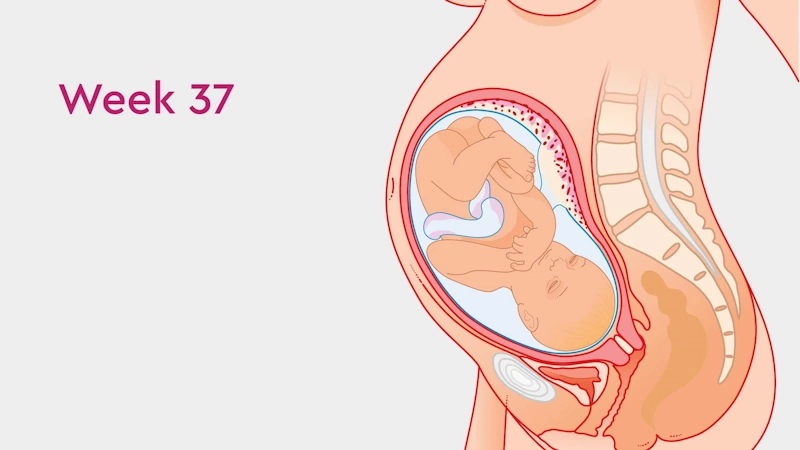
At 37 weeks, the mother’s body enters an advanced phase of preparation for labor. Hormonal changes intensify and may cause symptoms that can be concerning but are often physiological.
Physical Changes in the Mother
The uterus has reached its maximum size, exerting pressure on the bladder, intestines, and pelvis. Common symptoms include frequent urination, pelvic pressure, lower back pain, and early fatigue. The hormone relaxin causes ligament laxity, which may result in pelvic and joint discomfort.
Cervical Changes at 37 Weeks
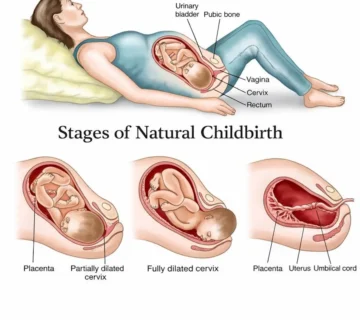
As labor approaches, the cervix gradually softens, shortens, and begins to dilate. These changes may occur without noticeable symptoms or may be accompanied by increased vaginal discharge. In some women, thick discharge or mucus mixed with blood streaks may indicate cervical changes.
Vaginal Discharge at 37 Weeks
Increased vaginal discharge during the 37th week is usually normal. However, brown or bloody discharge may indicate cervical changes or early labor. If discharge is associated with foul odor, itching, burning, or heavy bleeding, medical evaluation is required.
Emotional and Psychological Changes
Many women experience mood swings, anxiety, restlessness, or excitement about the upcoming birth. These emotional changes are often due to hormonal fluctuations and the anticipation of labor and are generally normal.
When to See a Doctor at 37 Weeks
Immediate medical attention is necessary if symptoms such as regular and increasing contractions, vaginal bleeding, significant decrease in fetal movements, continuous fluid leakage, severe headache, or visual disturbances occur.
Signs of Labor at 37 Weeks of Pregnancy
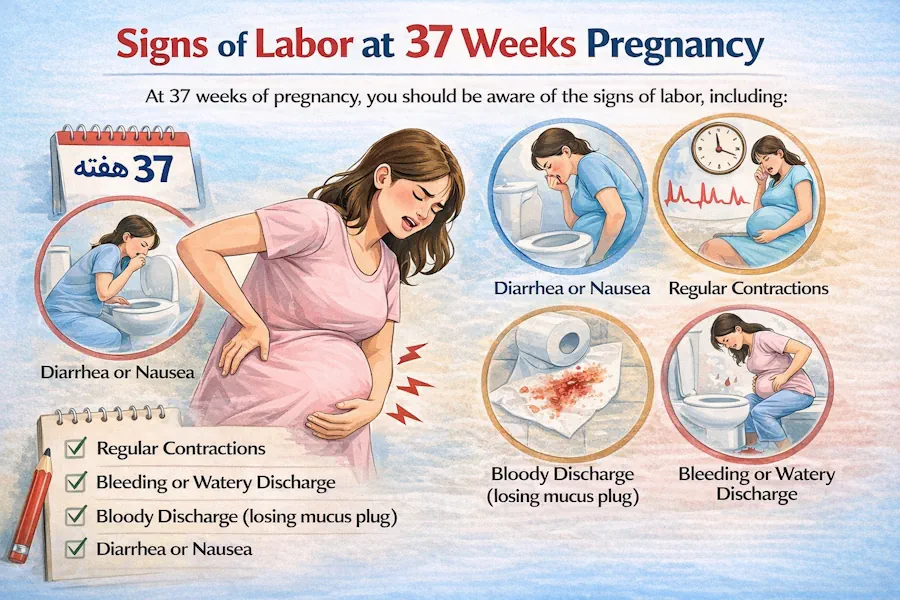
At 37 weeks, some women begin to experience symptoms indicating that labor is approaching. These signs may develop gradually and vary in intensity. Recognizing true labor signs helps ensure timely medical care.
Early Signs of Labor
Common signs include uterine contractions, increased vaginal discharge, pelvic pressure as the baby’s head engages, and sometimes diarrhea. Pink or brown-tinged discharge is often related to cervical changes. In approximately 10% of cases, rupture of membranes may occur before regular contractions begin.
True Labor vs. False Labor
The most reliable sign of true labor is regular, progressively stronger contractions. False labor contractions often subside with rest, hydration, or position changes. True labor pain typically starts in the lower back or abdomen and radiates around the abdomen and down the legs, becoming stronger and more frequent over time.
Cervical Dilation During Early Labor
In the early stage of labor, the cervix gradually dilates at an average rate of about 1 centimeter per hour, with contractions occurring every 5 to 10 minutes. First-time mothers may experience a longer labor process.
When to Contact Your Doctor
The timing of contacting your healthcare provider depends on:
-
Whether this is your first pregnancy
-
Distance to the hospital
-
Fetal position
-
Frequency and intensity of contractions
-
Presence of bleeding or decreased fetal movements
Immediate evaluation is required in cases of heavy bleeding, continuous fluid leakage, strong regular contractions, or reduced fetal movements.
Is Labor at 37 Weeks Dangerous?
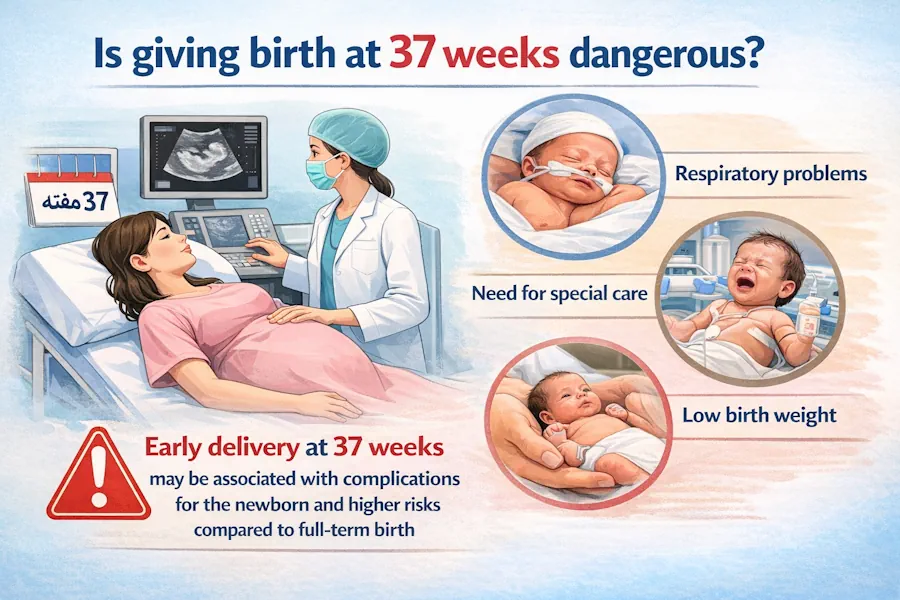
In general, labor at 37 weeks is not considered dangerous. At this stage, the fetus is classified as early term, and most vital organs—especially the lungs—have reached a functional level of maturity. Most babies born at 37 weeks adapt well to life outside the womb.
However, outcomes improve as pregnancy progresses toward 39–40 weeks, with lower risks of respiratory issues and neonatal intensive care admission. Therefore, elective induction without medical indication is usually not recommended at 37 weeks.
When Can Labor at 37 Weeks Be Risky?
Certain conditions may increase risks, including:
-
Maternal conditions such as uncontrolled hypertension or gestational diabetes
-
Placental disorders (placental abruption or placenta previa)
-
Fetal growth restriction or low amniotic fluid
-
Signs of fetal distress
In these cases, delivery decisions must be made under close medical supervision.
Outcomes for Babies Born at 37 Weeks
Most babies born at 37 weeks have appropriate weight and do not require prolonged hospitalization. However, the risk of jaundice, mild respiratory issues, or feeding difficulties is slightly higher compared to babies born at 39–40 weeks. These conditions are usually temporary and manageable.
Fluid Leakage at 37 Weeks: Normal or Dangerous?
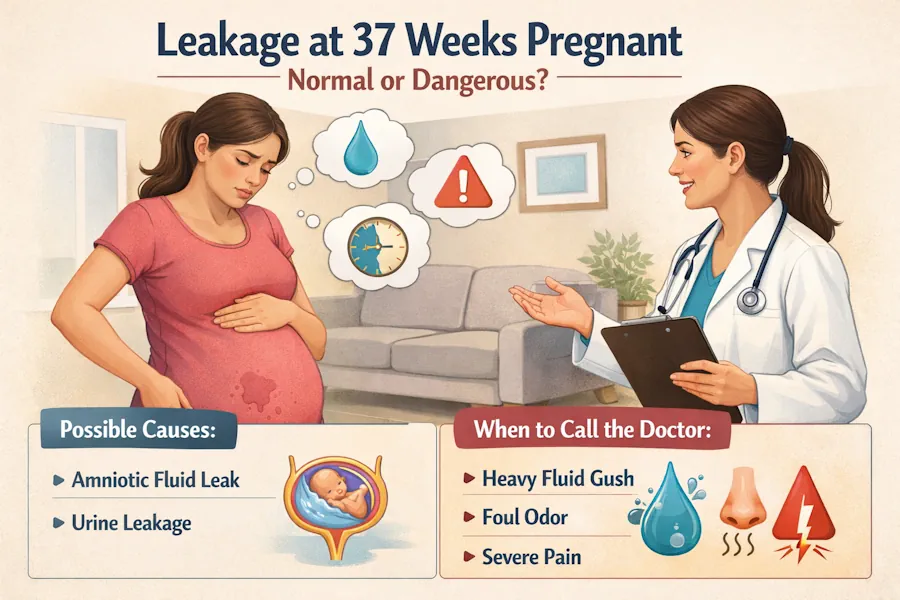
Fluid leakage at 37 weeks can be concerning. Differentiating between normal vaginal discharge and rupture of membranes is essential.
Normal Discharge vs. Amniotic Fluid
Normal discharge is typically clear or milky and intermittent. Rupture of membranes usually presents as continuous leakage of clear, odorless fluid that does not stop with position changes.
Is Fluid Leakage Dangerous?
If caused by membrane rupture, it is considered an obstetric urgency, as prolonged rupture increases the risk of infection. Prompt medical evaluation is required.
When Immediate Medical Care Is Needed
-
Continuous clear fluid leakage
-
Leakage accompanied by regular contractions
-
Vaginal bleeding
-
Decreased or absent fetal movements
-
Fever or general malaise
Brown Discharge at 37 Weeks of Pregnancy
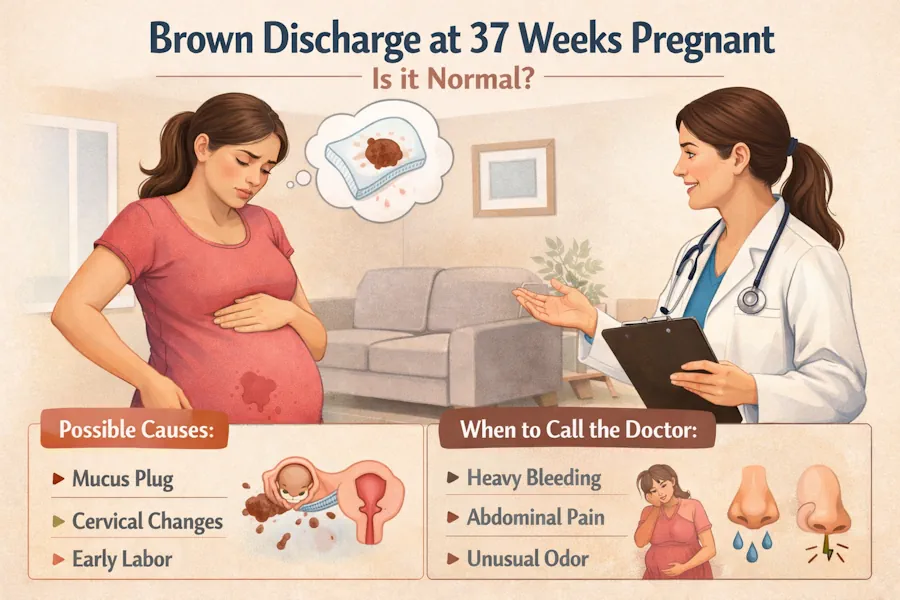
Brown discharge may be alarming but is often benign. It usually represents old blood mixed with vaginal secretions.
Causes of Brown Discharge
Cervical softening and dilation can cause small blood vessel rupture, resulting in brown or pink discharge. This may also indicate passage of the mucus plug.
When Is Brown Discharge Normal?
-
Small amount
-
No foul odor
-
No severe pain or heavy bleeding
-
Normal fetal movements
When Is It Concerning?
-
Increasing volume or bright red bleeding
-
Associated regular contractions
-
Reduced fetal movements
-
Fever, burning, or unpleasant odor
Relation to Labor
Brown discharge may appear hours or days before labor begins and often reflects cervical changes.
Is a 37-Week Fetus Fully Developed?
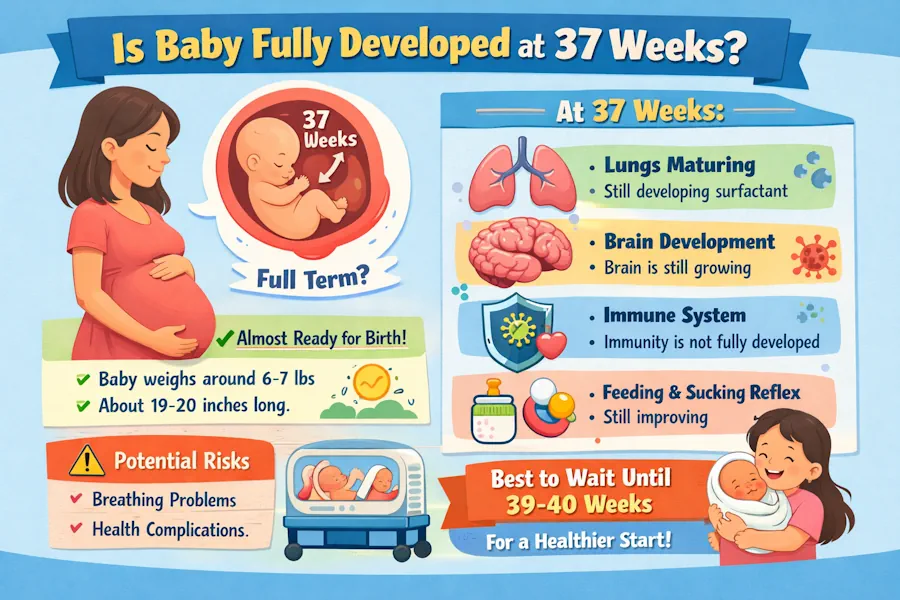
Medically, a fetus at 37 weeks is not considered full term but falls into the early-term category. Full-term pregnancy is defined as 39–40 weeks, when organ systems—particularly the lungs and nervous system—reach optimal maturity.
Although most organs function well at 37 weeks, some systems such as temperature regulation and feeding coordination may not yet be fully mature.
Nutrition During the 37th Week of Pregnancy
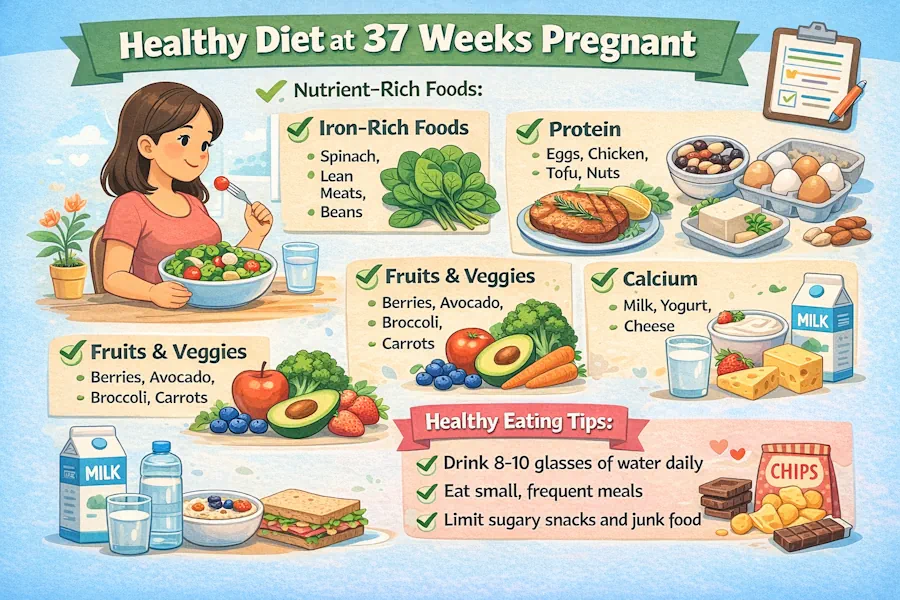
Proper nutrition at this stage supports maternal energy, labor preparation, and nutrient reserves for breastfeeding.
Nutritional Needs
Adequate intake of calories, vitamins, and minerals is essential to prevent fatigue and support maternal and fetal health.
Recommended Foods
-
Low-fat milk and yogurt
-
Lean meat, poultry, and fish
-
Whole grains
-
Fresh fruits and vegetables
Essential Vitamins and Minerals
Increased needs include B-complex vitamins, vitamins C, A, and E, calcium, iron, zinc, magnesium, and iodine. Supplements should only be taken under medical guidance.
Preparing for the Postpartum Period
Planning meals in advance or freezing healthy foods can help reduce physical strain after delivery.
Exercise at 37 Weeks of Pregnancy
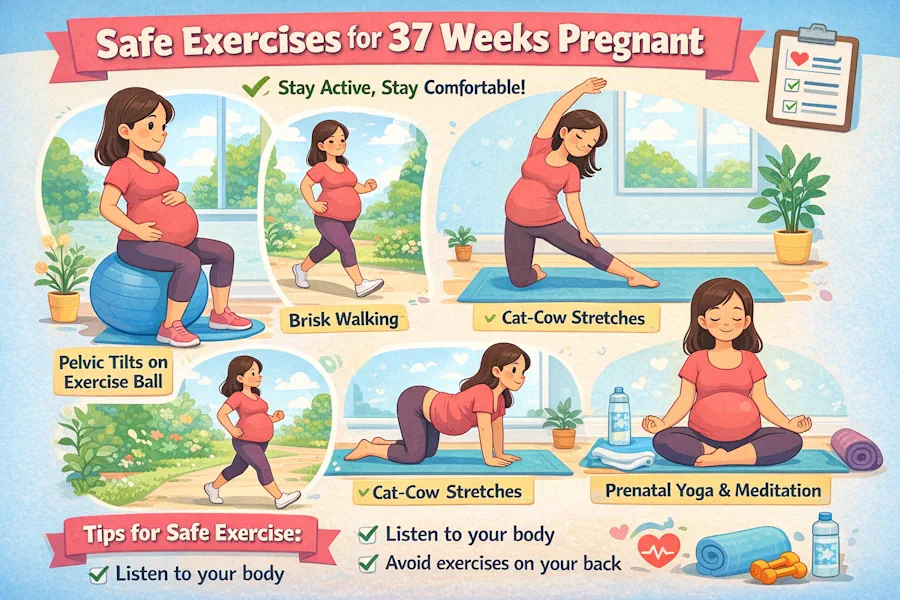
Light, safe physical activity can reduce discomfort and improve readiness for labor.
Benefits of Exercise
-
Reduced back and pelvic pain
-
Improved circulation
-
Reduced swelling
-
Enhanced mental and physical preparedness
Recommended Activities
-
Gentle walking
-
Light stretching
-
Breathing and relaxation exercises
-
Prenatal yoga
Activities to Avoid
-
High-impact sports
-
Risk of falls
-
Heavy lifting
-
Prolonged supine exercises
Safety Tips
Stop exercising if dizziness, abdominal pain, bleeding, or decreased fetal movement occurs.
Frequently Asked Questions (FAQ)
How many months is 37 weeks of pregnancy?
The 37th week corresponds to the ninth month of pregnancy.
Is decreased fetal movement normal at 37 weeks?
Some change is expected, but significant reduction is not normal and requires evaluation.
When should I see a doctor immediately?
For regular contractions, bleeding, fluid leakage, fever, or decreased fetal movements.
Final Summary and Recommendations for 37th week of pregnancy
The 37th week of pregnancy marks a critical transition toward childbirth. While most changes are normal, awareness of warning signs is essential. Maintaining healthy nutrition, gentle physical activity, adequate rest, and close communication with your healthcare provider ensures the safest outcomes for both mother and baby.






No comment