
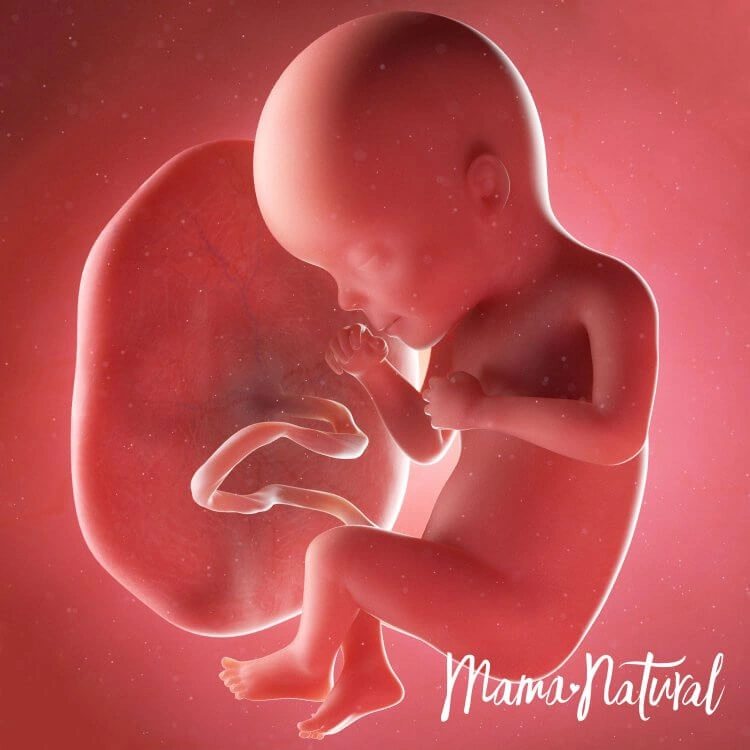
At 27 weeks pregnant, you’re entering the third trimester—a stage filled with rapid fetal growth, hormonal shifts, and noticeable changes in your own body. Your baby now weighs close to one kilogram, becomes more active each day, and may even show small smiles during sleep. Meanwhile, you may experience symptoms such as nausea, headaches, pelvic pain, shortness of breath, and stronger fetal movements.
In this guide, we cover everything you need to know about baby development, maternal symptoms, fetal movement counting, warning signs, preterm labor risk, and essential self-care during week 27 of pregnancy.
🟩 Baby Development at 27 Weeks Pregnant
Baby’s Size and Weight
At 27 weeks, your baby is approximately:
-
Weight: 850–900 grams
-
Length: 34–36 cm
-
Size comparison: similar to a large cauliflower
A layer of fat continues to build beneath the skin, making your baby’s skin smoother and slightly pinkish due to superficial blood vessels.
Brain and Nervous System Development
-
The brain is rapidly maturing and forming new grooves.
-
Neural pathways become more organized.
-
Your baby can now respond to sound, light, and touch more clearly.
Respiratory System
Although your baby cannot breathe air yet, the lungs are practicing breathing movements and beginning to produce surfactant, which is essential for breathing after birth.
Baby’s Position
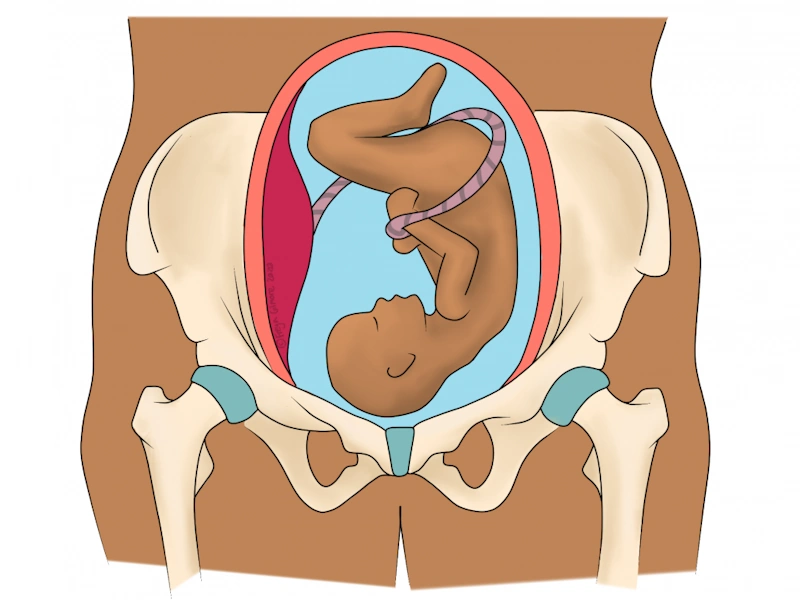
Your baby may start turning head-down, although frequent movements and flips are still normal at this stage.
🟩 Common Symptoms at 27 Weeks Pregnant

Nausea at 27 Weeks
Nausea may return due to:
-
Pressure on the stomach
-
Acid reflux
-
Hormonal changes
-
Dehydration
When to contact your doctor:
-
Persistent vomiting
-
Dizziness
-
Reduced urination
-
Fever
Headaches
Causes include:
-
Lack of sleep
-
Dehydration
-
Stress
-
Blood pressure changes
Warning signs:
Severe headaches with blurred vision or swelling may indicate preeclampsia.
Pelvic and Pubic Bone Pain
Loosening of ligaments and pressure from the growing uterus can cause:
-
Pelvic pain
-
Groin discomfort
-
Difficulty walking
Using a maternity support belt and avoiding stairs can help.
Shortness of Breath
The uterus pushes against the diaphragm, causing mild shortness of breath.
Sleeping with extra pillows may help.
Fatigue and Sleep Problems
Due to hormonal changes, increased weight, and nighttime awakenings.
🟩 Fetal Movements at 27 Weeks
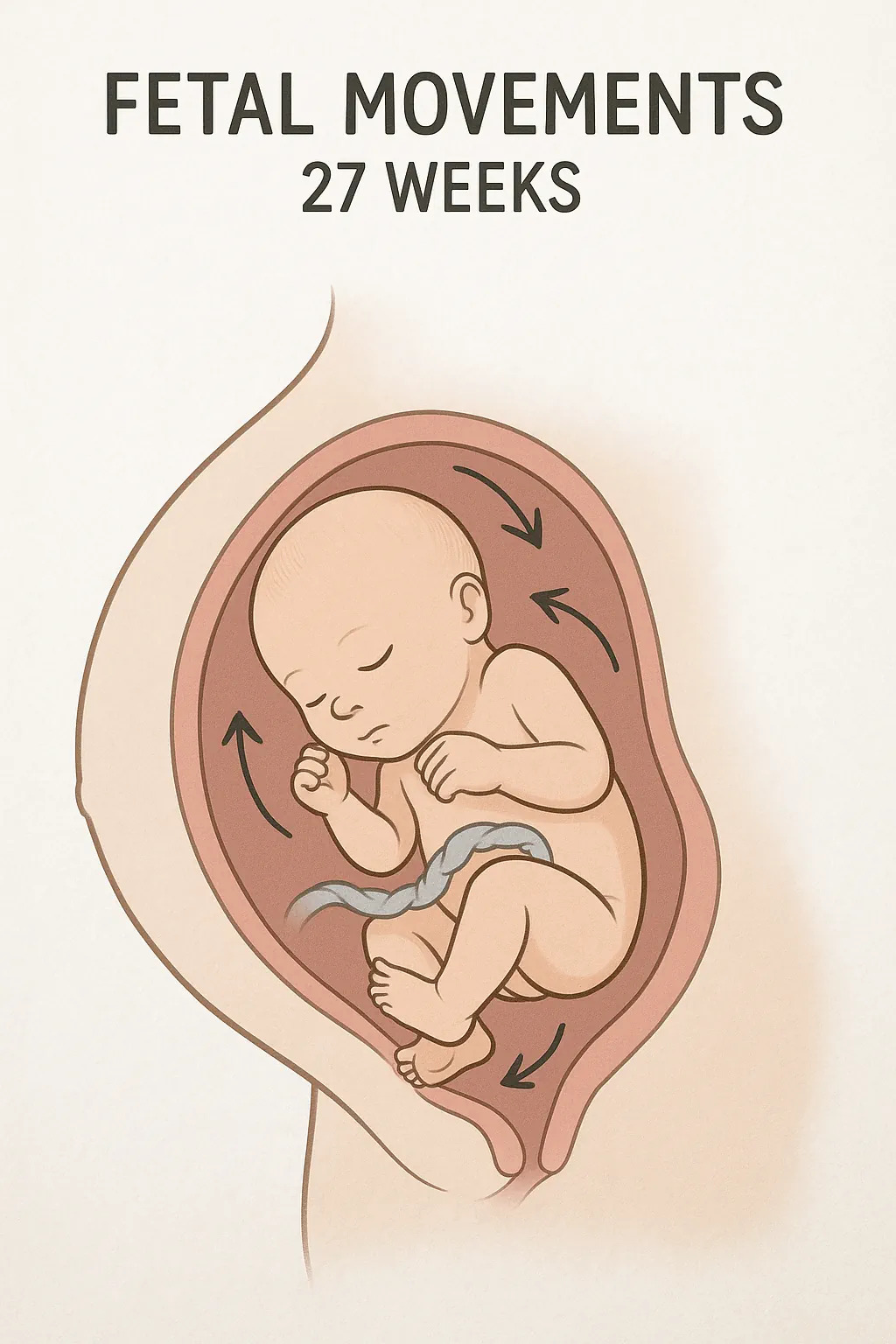
At 27 weeks, your baby is usually very active.
Normal Fetal Movements
You may feel:
-
Strong kicks
-
Rolling or twisting
-
Stretching
-
Reactions to light or noise
Kick Count Method
Lie on your left side and count movements.
Normal:
10 movements within 2 hours
(Most babies reach 10 kicks within 20–40 minutes.)
When to worry
-
Fewer movements than usual
-
No movements for several hours
-
Weaker or irregular movements
Reduced fetal movement requires immediate evaluation.
🟩 27 Weeks Pregnant Is How Many Months?
Week 27 marks the beginning of the seventh month of pregnancy and officially the start of the third trimester.
🟩 Essential Care Tips for Week 27

Stay Hydrated
Drink 8–10 glasses of water daily (more in hot weather or during exercise).
Proper hydration reduces:
-
Headaches
-
Nausea
-
Constipation
-
Dizziness
Healthy Nutrition
Focus on:
-
Lean protein
-
Iron-rich foods (lentils, red meat, spinach)
-
Calcium (dairy, almonds, broccoli)
-
Omega-3 (salmon, walnuts)
-
Fiber (fruits, vegetables, whole grains)
Avoid excessive caffeine, sugary drinks, and fried foods.
Safe Exercises

-
Walking
-
Prenatal yoga
-
Swimming
-
Light stretching
Avoid high-impact or contact sports.
Sleep Tips
Best position: sleeping on your left side to improve blood flow to the placenta.
Use pillows for better support.
Pelvic Pain Care
-
Avoid standing for long periods
-
Don’t climb too many stairs
-
Use a maternity belt
-
Apply gentle heat
Supplements
Take only what your obstetrician prescribes:
-
Iron
-
Folic acid
-
Vitamin D
-
Calcium
-
Omega-3 (if recommended)
🟩 Warning Signs at 27 Weeks Pregnant
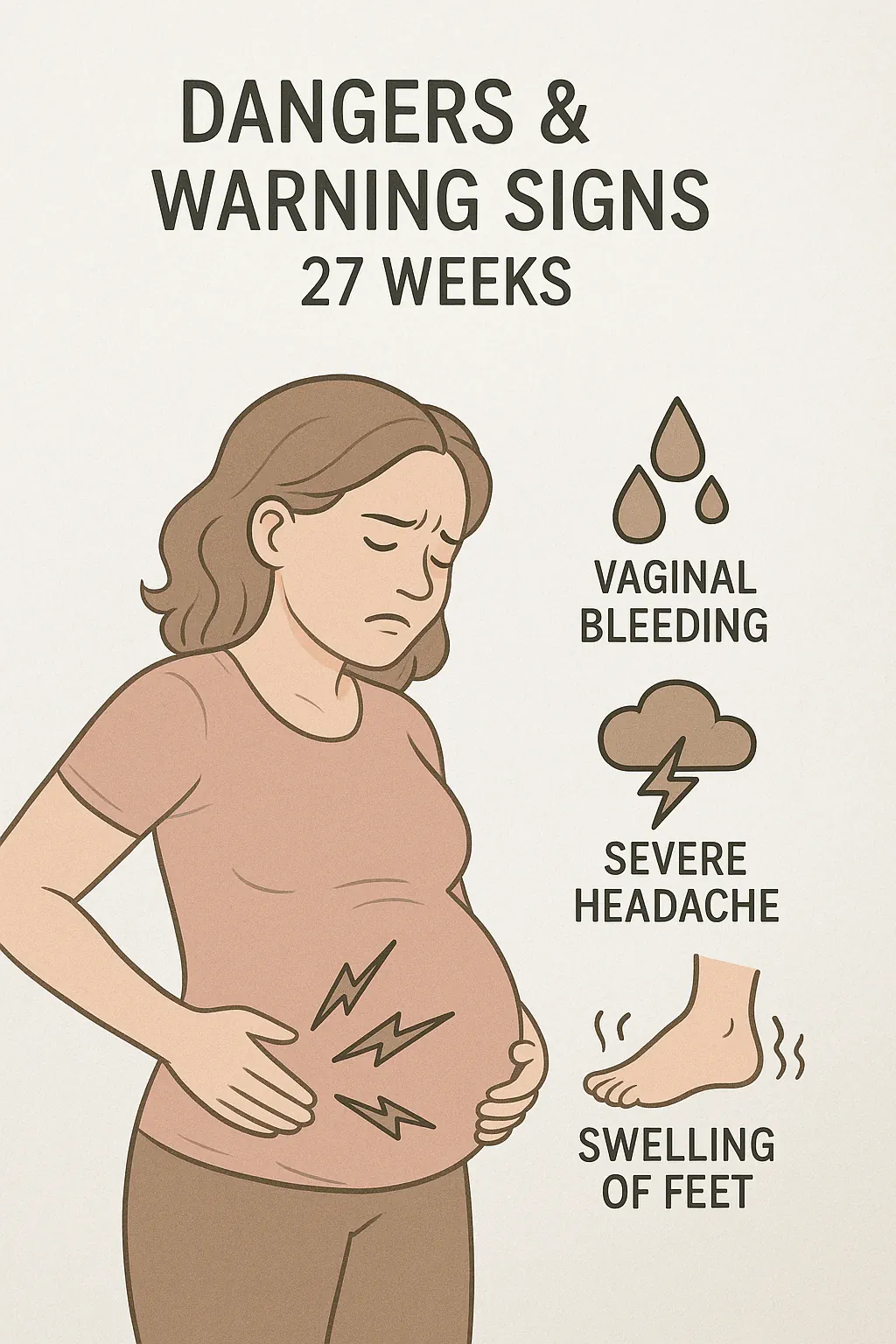
Seek medical attention if you notice:
1. Decreased Fetal Movements
Less than 10 movements in 2 hours.
2. Regular Painful Contractions
More than 4 contractions in one hour → possible preterm labor.
3. Vaginal Bleeding
4. Leakage of Fluid
Could indicate rupture of membranes (water breaking).
5. Severe Headache or Blurred Vision
Possible preeclampsia.
6. Sudden Severe Swelling
Hands, feet, or face.
7. Fever or Signs of Infection
8. Severe Pelvic Pain or Difficulty Walking
🟩 Can You Give Birth at 27 Weeks?
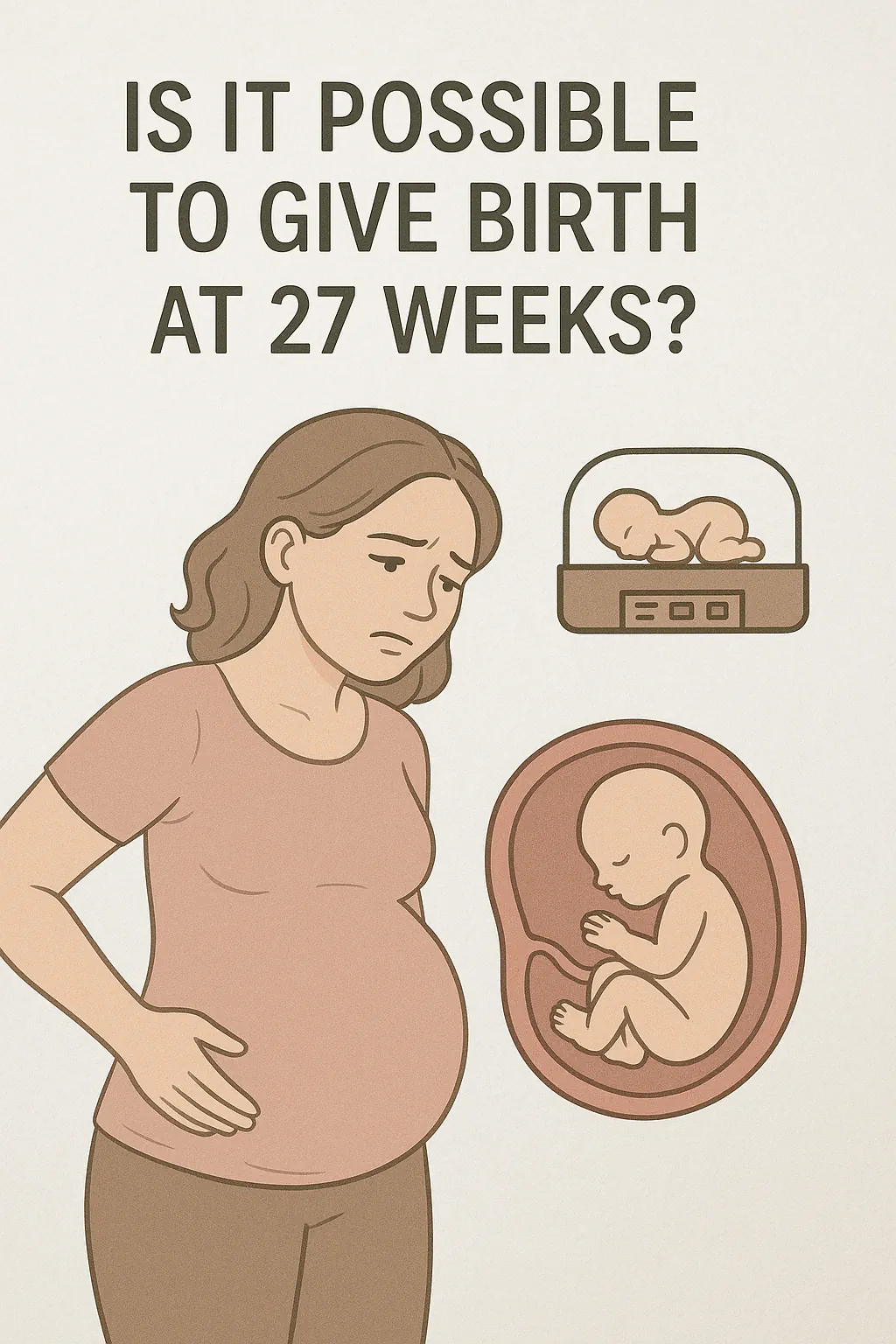
Birth at 27 weeks is considered extremely preterm, but survival rates are now very high.
Survival rate:
85–90% with NICU care.
If preterm labor starts, your doctor may:
-
Give medications to stop contractions
-
Administer corticosteroids to mature the baby’s lungs
-
Monitor fetal heart rate
-
Provide hospital observation
Infants born at 27 weeks often require NICU support but many grow into healthy children.
🟩 Frequently Asked Questions (FAQ)
1. How much should a 27-week fetus move?
At least 10 movements in 2 hours.
2. Is nausea normal at 27 weeks?
Mild nausea can occur, but severe vomiting needs evaluation.
3. Is a 27-week baby viable?
Yes—survival rates reach 85–90%.
4. Why do I feel pelvic pain at 27 weeks?
Ligament loosening and fetal growth cause pressure on the pelvis.
5. Why do I have shortness of breath?
The uterus pushes against the diaphragm.
6. How big is my baby at 27 weeks?
About 34–36 cm and 850–900 grams.



No comment