
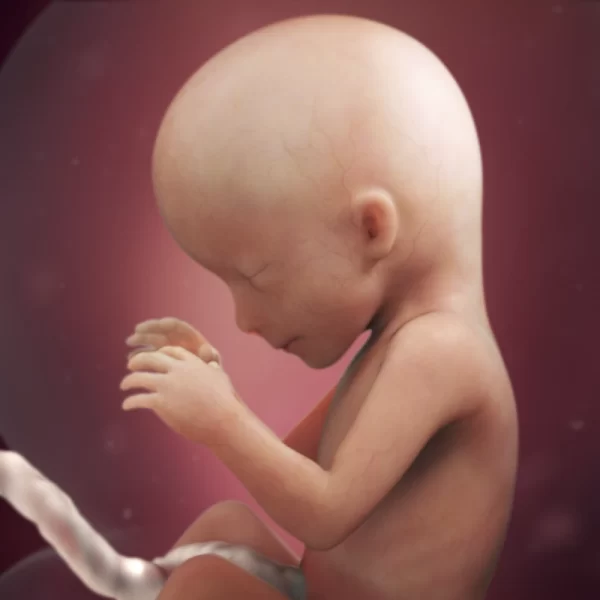
The 16th week of pregnancy marks one of the most exciting stages of the second trimester. Most mothers begin to feel more energetic and relaxed as morning sickness fades and hormones find a new balance. Inside your womb, your baby is growing rapidly, developing facial expressions, and preparing for more active movements.
👶 Baby Development in the 16th Week of Pregnancy
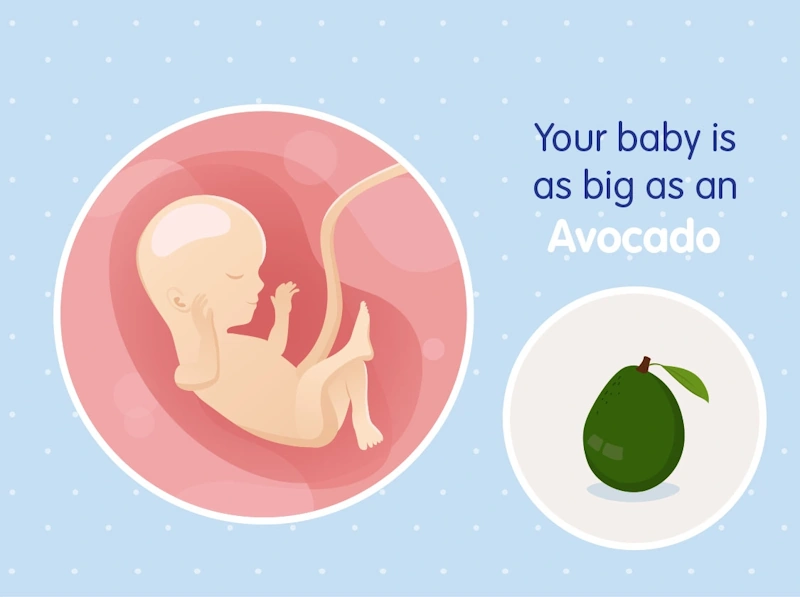
By the end of the fourth month, your baby has developed noticeably. You may begin to feel those first gentle flutters — tiny movements that signal your baby’s growing strength. At this stage, your baby measures around 10–12 cm (4–5 inches) and weighs approximately 140 grams (5 oz).
The skin, still thin and translucent, now has a soft pink hue as layers continue to form. Bones are becoming stronger, and your baby can flex their tiny hands and legs, sometimes even making a small fist or grabbing the umbilical cord.
Although facial muscles allow smiling or frowning, these expressions are still reflexive. The nervous system continues to mature, improving coordination between the brain and body.
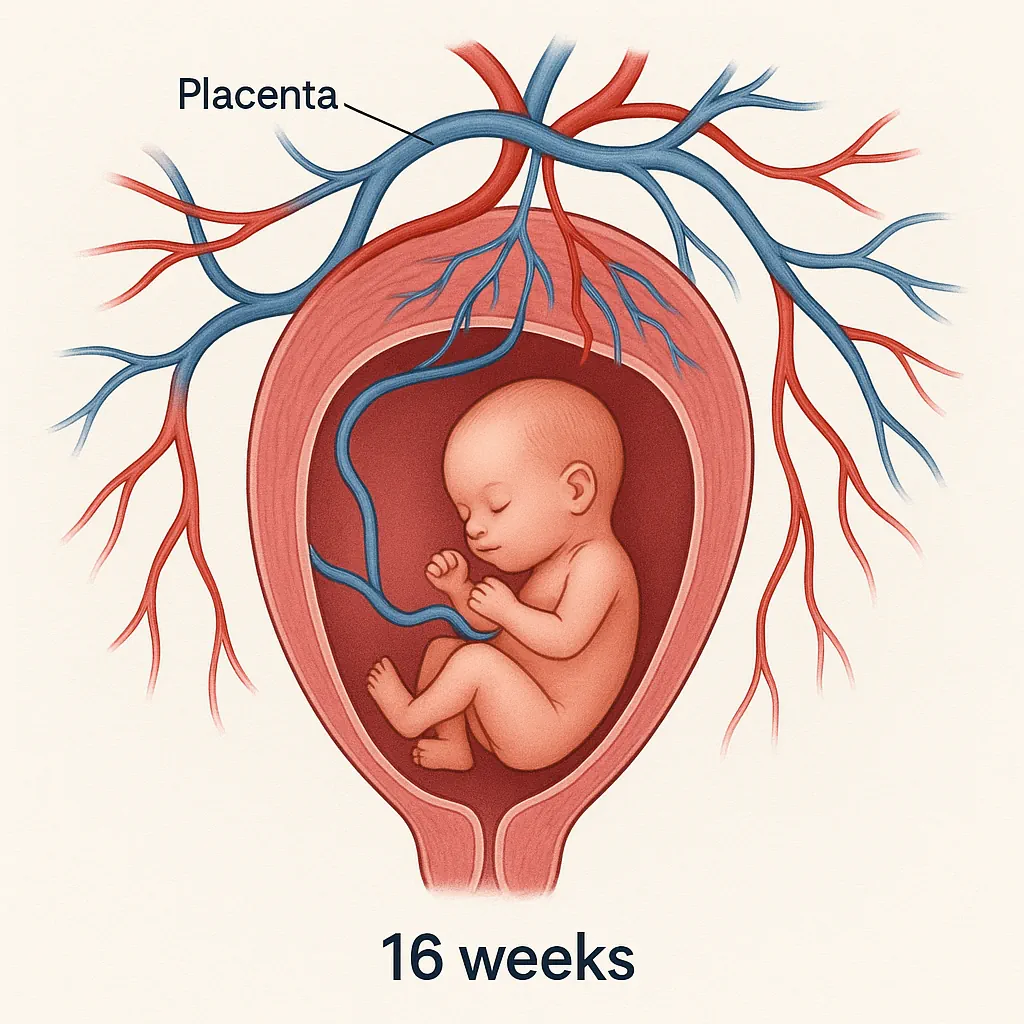
Your baby’s eyes are now sensitive to light, and the middle ear bones are forming — early steps toward hearing. The umbilical cord thickens and strengthens to carry more blood, oxygen, and nutrients between the placenta and your baby.
💡 Fun fact: Your baby may already be practicing gentle “breathing” movements inside the amniotic fluid — training for life outside the womb.
🤰 Maternal Body Changes in the 16th Week of Pregnancy
Energy Returns
Many pregnant women describe week 16 as a turning point. Fatigue and nausea typically subside, replaced by a renewed sense of vitality. You may find yourself more motivated to work, socialize, and prepare for your baby’s arrival.
As hormones stabilize, your emotional state also becomes steadier. You might still experience mood swings or tears, but overall, you’ll feel calmer and more in control.

It’s also common to experience mixed emotions — joy and excitement alongside moments of fear or uncertainty, especially if this is your first pregnancy. Discussing your thoughts and future plans with your partner helps reduce anxiety and strengthens emotional support.
Vaginal Changes
Increased blood flow to the pelvic area, along with higher levels of estrogen and progesterone, causes the vaginal tissues to become softer, thicker, and more elastic. These changes are completely normal and help prepare the body for delivery.
Some women notice a higher sex drive, while others feel less interested — both are natural. Open communication with your partner about your physical and emotional changes can prevent misunderstandings.
⚠️ When to call your doctor:
If you experience itching, burning, foul-smelling discharge, or pain, contact your healthcare provider. These symptoms could indicate an infection that requires treatment.
💬 Emotional Changes: Understanding Yourself
During the 16th week of pregnancy, you may feel as if you’ve taken on a new role in life. Your priorities begin to shift — what once seemed essential (work, social life, hobbies) slowly gives way to your growing maternal instincts.
Many mothers describe this phase as “seeing the world in color” after a life in black and white. You might cry over sad news, smile at a child’s laughter, or feel unusually empathetic toward others. These emotional changes are a healthy part of your psychological preparation for motherhood.
At the same time, pregnancy teaches an important lesson: you can’t control everything. Despite careful planning for labor and delivery, your body and baby sometimes have their own timeline. Accepting this truth helps you feel more peaceful and flexible as you approach motherhood.
🍵 Diet and Exercise in Week 16
Herbal Teas During Pregnancy
Herbal teas are often viewed as caffeine-free and relaxing, but not all herbs are safe during pregnancy. Some can cause uterine contractions or increase the risk of miscarriage or preterm labor.

Herbs to avoid include:
-
Red raspberry leaf
-
Peppermint
-
Juniper berries
-
Rosemary
-
Green tea (it can interfere with folic acid absorption)
Always consult your doctor before drinking herbal teas. Safe options in small amounts may include mild ginger, chamomile, or lemon balm tea — but only under medical advice.
Staying Motivated to Exercise
Exercise during pregnancy not only helps with weight management but also boosts circulation, improves mood, and reduces back pain. The key is consistency and motivation.

Tips for maintaining your fitness routine:
-
Schedule it. Treat exercise like a doctor’s appointment and stick to it.
-
Track your progress. Record your daily activity to see your improvements.
-
Be consistent. After 10 days of regular movement, exercise feels easier.
-
Add variety. Alternate between walking, prenatal yoga, and stretching.
-
Make it social. Walk with a friend or your partner instead of sitting at a café.
-
Reward yourself. Celebrate your progress with a small treat, like flowers or a relaxing bath.
Swimming and Water Workouts
Swimming is one of the safest and most beneficial exercises during pregnancy. It strengthens muscles, supports the cardiovascular system, and relieves pressure on joints.

Follow these safety tips:
-
Get approval from your doctor before starting or continuing swimming.
-
Drink plenty of water before and after swimming to stay hydrated.
-
Avoid swallowing pool water.
-
Stop immediately if you feel pain, dizziness, or shortness of breath.
❓ Common Questions During the 16th Week of Pregnancy
What if I get a fever?
A temperature above 37.8°C (100°F) is considered a fever. Mild viral infections such as colds or the flu are common and usually harmless, but persistent or high fever (above 38°C / 100.4°F) may signal an infection that requires medical attention.
You can safely reduce fever with acetaminophen (paracetamol), but avoid self-medication without consulting your doctor.
I recently had a miscarriage and can’t stop crying. How do I cope?
Losing a baby at any stage of pregnancy is heartbreaking. Allow yourself to grieve — sadness is part of healing.
Seek emotional support from your partner, family, or a therapist. Some parents find comfort in symbolic gestures like planting a tree or keeping ultrasound photos as a memory. Over time, the pain will ease, even though your baby will always remain in your heart.
I had light spotting after intercourse. Should I worry?
Mild spotting after sex is common during the second trimester due to increased blood flow and sensitivity of the cervix.
If the bleeding is light and painless, it’s usually harmless.
However, contact your doctor if:
-
Bleeding becomes heavy or dark red
-
You experience cramping, pain, or unusual discharge
Until the cause is confirmed, avoid intercourse and strenuous activity.
🩸 Brown Spotting in the 16th Week of Pregnancy
Light brown discharge or spotting at this stage is usually old blood being expelled from the uterus. It can occur after physical activity, sex, or a pelvic exam.
If there’s no pain or foul odor, it’s often nothing to worry about. However, persistent or painful bleeding must be evaluated by a doctor to rule out infection or placental problems.
What to do:
-
Rest and avoid heavy lifting
-
Monitor the amount and color of discharge
-
Refrain from sex until it stops
🚨 Bleeding in the 16th Week of Pregnancy
Bleeding during the second trimester can range from mild spotting to heavier flow.
Possible causes include:
-
Cervical irritation or polyps
-
Vaginal or urinary infections
-
Placenta previa (low-lying placenta)
-
Partial placental abruption
If the bleeding is heavy, bright red, or accompanied by pain or dizziness, seek emergency medical care.
Doctors usually perform an ultrasound to check the placenta and ensure the baby’s safety.
Avoid tampons, vaginal douching, or intercourse until the cause is determined.
💔 Signs of Miscarriage in the 16th Week
Although rare at this stage, miscarriage can still occur and usually shows clear warning signs:
-
Moderate to heavy vaginal bleeding
-
Strong cramps in the lower abdomen or back
-
Passing tissue or fluid from the vagina
-
Sudden loss of pregnancy symptoms
If you experience these symptoms, contact your doctor or go to the emergency room immediately. Early medical attention can prevent complications such as infection or retained tissue.
After a miscarriage, allow your body and emotions time to heal. Most doctors recommend waiting for a few menstrual cycles before trying to conceive again.
🌷 Key Takeaways
-
The 16th week is a positive turning point — energy returns and the baby’s growth accelerates.
-
Light spotting is often harmless, but heavy bleeding requires medical care.
-
Exercise, proper hydration, and a balanced diet support both mother and baby.
-
Emotional changes are normal; embrace them as part of becoming a mother.



No comment