
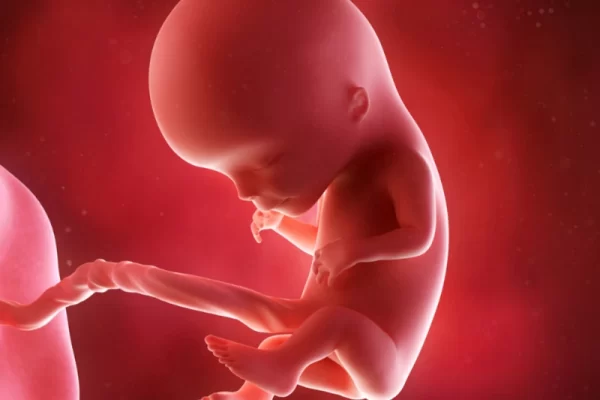
The 12th week of pregnancy marks the end of the first trimester — a major milestone for both you and your baby. At this stage, most of the baby’s vital organs have formed, and the risk of miscarriage decreases significantly. You’re now entering a more comfortable and stable phase of pregnancy.
While you may not yet feel your baby’s movements, a lot is happening inside your womb. Your little one is growing rapidly, developing distinct facial features, and beginning to look more like a tiny human than ever before.
👶 Fetal Development at 12 Weeks
By the 12th week, your baby is about the size of a lime — approximately 7 centimeters long and weighing around 15 grams. Although still small, your baby is now completely formed and ready to grow and mature over the coming months.
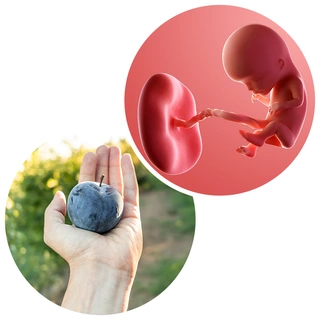
Here’s what’s happening with your baby during this week:
-
The head is now about one-third of the total body length (it was half just a few weeks ago).
-
Facial features — the eyes, nose, lips, and ears — are clearly visible.
-
The digestive system is beginning to function; your baby can now swallow small amounts of amniotic fluid.
-
The kidneys are working, producing urine that is released into the amniotic sac.
-
The circulatory system is fully active, with the umbilical cord carrying oxygen and nutrients between you and your baby.
Interestingly, research suggests that some aspects of your baby’s personality start developing around this time. Some babies are more active, while others are calm — and yes, many already suck their thumbs!
Although you can’t feel it yet, your baby’s movements are becoming more coordinated. If you could touch your baby’s hand right now, it might even grasp your finger reflexively — a skill that will soon become visible during ultrasound scans.
💪 Body Changes and Common Symptoms at the 12th Week of Pregnancy
As you reach the 12th week of pregnancy, your body continues to adapt to the incredible process of growing new life. The uterus has now expanded beyond the pelvic area, and hormonal changes are influencing almost every system in your body.
While some women feel more energetic and less nauseated around this time, others may still experience a few discomforts as the body adjusts. Understanding what’s normal can help you feel more confident and prepared.
🌙 Sleep Problems During Pregnancy
Sleep can become more challenging in the second half of the first trimester. Many expectant mothers experience frequent nighttime urination, back discomfort, or restlessness caused by hormonal fluctuations.

To improve your sleep quality:
-
Limit fluids at night to reduce bathroom trips.
-
Avoid spicy or heavy meals before bedtime to prevent heartburn.
-
Sleep on your side, preferably your left, to promote better blood flow to the uterus.
-
Try pregnancy pillows to support your back and belly.
-
If stress or anxiety keeps you awake, take a warm shower, practice deep breathing, or ask your partner for a gentle back massage.
🩸 Thyroid Changes During Pregnancy
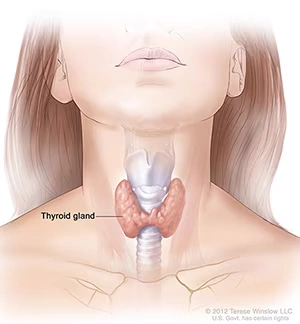
The thyroid gland, located in your neck, plays a key role in regulating metabolism. During pregnancy, it works harder than usual to support both your body and your baby’s brain development.
-
Hypothyroidism (underactive thyroid): Can cause fatigue, weight gain, and sluggishness.
-
Hyperthyroidism (overactive thyroid): Can cause anxiety, insomnia, and rapid heartbeat.
Because these symptoms often resemble typical pregnancy discomforts, it’s essential to test your thyroid hormone levels regularly.
Untreated thyroid disorders can lead to complications such as preterm birth, preeclampsia, or low birth weight — but the good news is that both conditions are easily treatable with medication prescribed by your doctor.
🤧 Nasal Congestion and Nosebleeds
You might be surprised to find that pregnancy can even affect your nose!
Increased hormones and blood flow can cause nasal congestion, mild nosebleeds, or dryness — a common condition known as pregnancy rhinitis.

To ease discomfort:
-
Use a humidifier or saline spray to keep nasal passages moist.
-
Avoid over-the-counter decongestants unless approved by your doctor.
-
Apply a gentle moisturizing gel inside the nostrils if dryness persists.
🥗 Pregnancy Nutrition and Exercise at Week 12
By the 12th week of pregnancy, your baby’s organs are fully formed and now need the right nutrients to grow. The way you eat and move during this stage can greatly influence both your comfort and your baby’s development.
🍎 Importance of a Balanced Diet
During pregnancy, your body requires extra vitamins, minerals, and protein — not necessarily more calories. Instead of eating for two, focus on eating smart.

To maintain steady energy levels and prevent nausea or indigestion, try having five to six small meals a day instead of three large ones.
Healthy snack ideas include:
-
Low-fat yogurt with fresh or dried fruits
-
Whole grain bread with low-fat cheese
-
Apple slices with natural peanut butter
-
Fresh vegetables such as bell peppers with hummus or salsa
-
A handful of nuts or almonds
-
Oat muffins with strawberries or blueberries
These options are rich in fiber, calcium, iron, and healthy fats that nourish both mother and baby.
💧 Hydration and Digestion
Hormonal changes can sometimes slow digestion, leading to bloating or constipation. Staying hydrated is essential — aim for 8–10 glasses of water per day.
Add fruits like oranges, kiwi, or berries to your diet to improve digestion and boost vitamin C intake.
Avoid excessive caffeine, sugary drinks, and processed foods that can cause energy crashes or dehydration.
🧘♀️ Exercise and Posture During Week 12
Gentle exercise is one of the best things you can do for yourself and your baby.
If your doctor has cleared you for physical activity, aim for 20–30 minutes of light movement daily.

Recommended activities include:
-
Walking: Improves blood circulation and reduces swelling.
-
Prenatal yoga: Enhances flexibility and relaxation.
-
Swimming: Reduces pressure on joints and supports the growing belly.
To protect your posture as your belly grows:
-
Stand tall with shoulders back and relaxed.
-
Avoid locking your knees.
-
When sitting, keep both feet flat on the ground and use back support.
⚠️ Exercises to Avoid
Stay away from any activity that involves:
-
Jumping, twisting, or sudden direction changes
-
Contact sports or heavy lifting
-
Lying flat on your back for long periods (after week 24)
Listen to your body — if you feel dizzy, short of breath, or experience pain, stop immediately and consult your doctor.
⚕️ Health Concerns During the 12th Week of Pregnancy
While week 12 marks a more stable period in pregnancy, some mothers may experience specific medical conditions that require attention. Recognizing symptoms early and maintaining regular checkups with your doctor can make all the difference.
💓 High Blood Pressure in Pregnancy
If you had high blood pressure before pregnancy, you’re among about 5% of women who need closer monitoring throughout gestation. Uncontrolled hypertension can affect both the mother and the baby, potentially leading to low birth weight, preterm delivery, or placental complications.
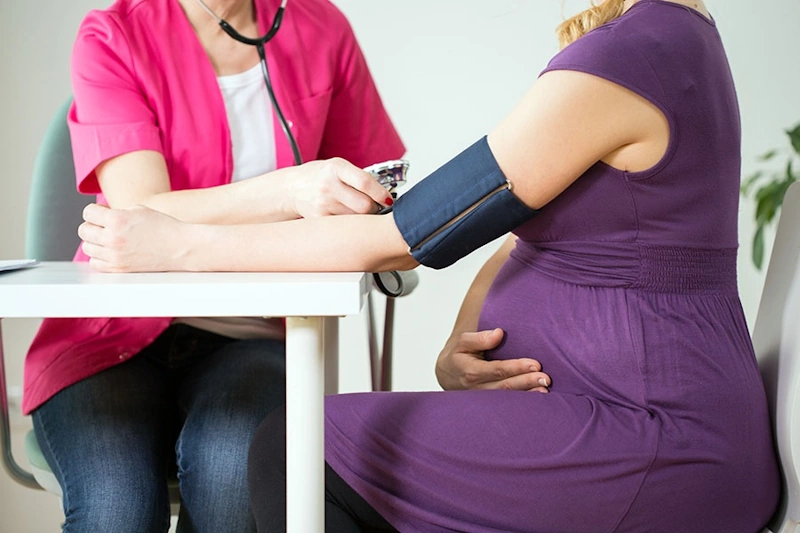
To manage your blood pressure safely:
-
Avoid ACE inhibitors – these medications can cause kidney damage or even fetal death during pregnancy.
-
Maintain a balanced diet low in salt and high in potassium.
-
Stay active with light exercise as advised by your doctor.
-
Attend all prenatal checkups to monitor blood pressure and urine protein levels (a key indicator of preeclampsia).
🌸 Uterine Fibroids
Uterine fibroids are noncancerous growths that can appear in or around the uterus. They are relatively common, affecting about one in four women. In most cases, fibroids are small and harmless, but larger ones can occasionally cause pain, pressure, or heavy bleeding.
If you have a history of fibroids, pay attention to any pelvic discomfort or abdominal pressure and discuss them with your obstetrician.
Although fibroids rarely affect pregnancy outcomes, your doctor may recommend ultrasound monitoring to ensure everything remains normal.
⚠️ Risk of Preeclampsia
Preeclampsia is a pregnancy-specific condition marked by high blood pressure and protein in the urine, usually developing after week 20. However, mothers with pre-existing hypertension are at higher risk.
Common warning signs include:
-
Persistent headache
-
Vision changes (blurriness or light sensitivity)
-
Swelling in hands, face, or feet
Early diagnosis and medical supervision are key. If untreated, preeclampsia can lead to placental abruption, organ damage, or even seizures (eclampsia).
🩹 Injuries and Vaccinations
It’s natural to worry about accidental falls during pregnancy. Fortunately, the amniotic fluid and uterine walls provide excellent cushioning for your baby.
Still, if you experience a fall or abdominal trauma, it’s best to contact your healthcare provider for evaluation.
If you haven’t had a tetanus booster (Tdap) in the last 10 years, your doctor may recommend it — the vaccine is safe during pregnancy and helps protect both you and your baby from infection.
💬 Pregnancy Announcement – “Everyone, I’m Pregnant!”
Many women choose to share their pregnancy news at week 12 — the risk is now low, and your body feels more stable.
But if you’re not ready yet, that’s absolutely fine.
In first pregnancies, your belly might not be fully visible until around week 20.

🔹 Why some mothers wait longer:
Once people know, they often start asking questions like
“Do you know the baby’s gender yet?”
“Have you picked a name?”
“Are you going back to work?”
If you don’t feel ready to answer these questions, it’s okay to wait.
The most important thing is your peace of mind.
❓ Common Questions in Week 12 of Pregnancy
🤕 What if I fall or get injured during pregnancy?
Your balance changes due to the hormone relaxin, which softens ligaments. This can make you more prone to minor falls.
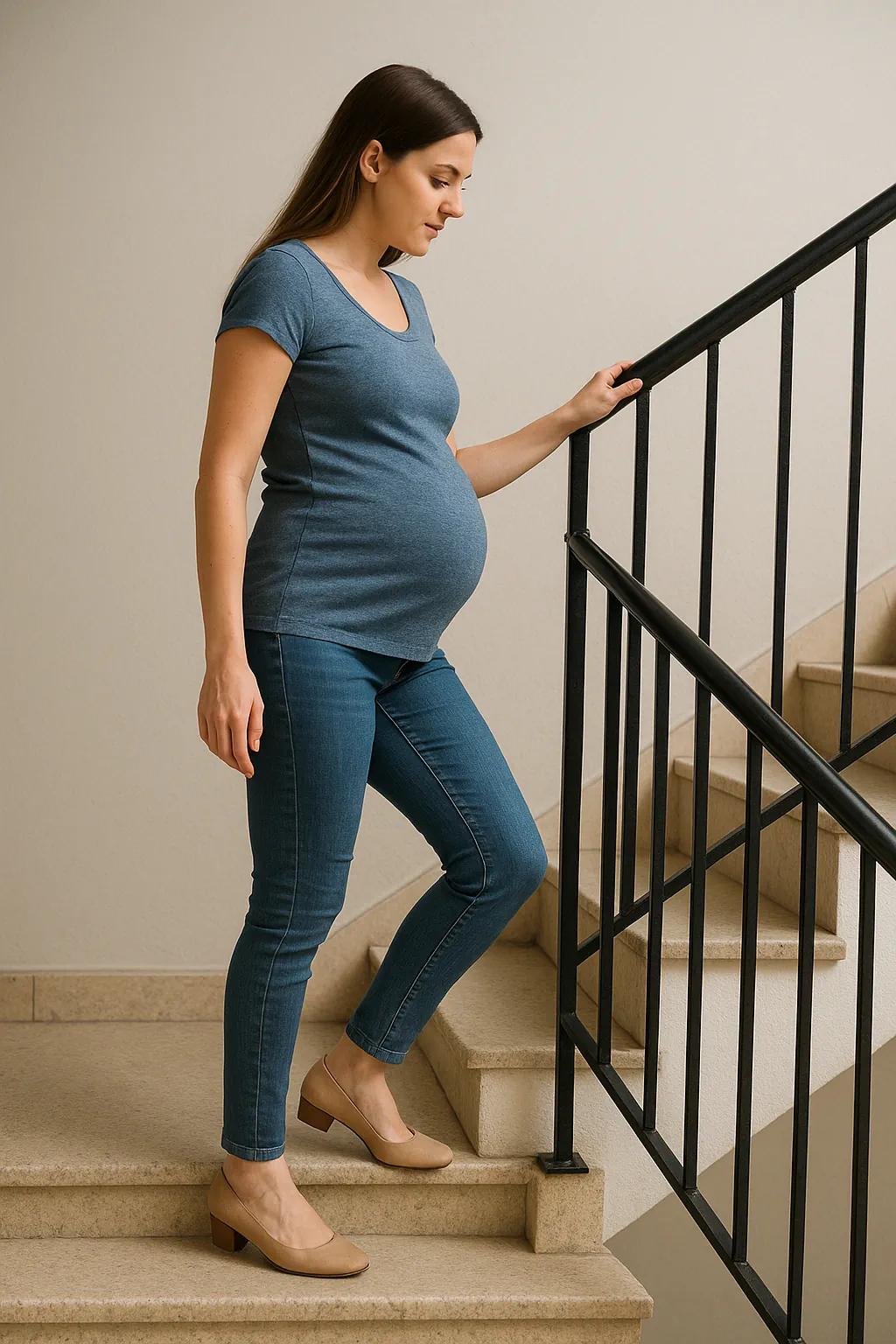
If you fall, stay calm — in most cases, your baby is well protected by the amniotic fluid and uterine wall.
However, contact your doctor if you notice:
-
Severe abdominal pain or cramping
-
Vaginal bleeding or unusual discharge
-
Dizziness or reduced fetal movement (in later weeks)
To prevent falls:
-
Wear comfortable, flat shoes.
-
Ask for support when using stairs or stepping out of the bathtub.
-
Avoid standing on chairs or ladders.
If you sustain a deep cut and haven’t had a tetanus booster in the last 10 years, vaccination is recommended.
💉 The tetanus vaccine (Tdap) is completely safe during pregnancy and helps protect your baby after birth.
🌷 Summary of the 12th Week of Pregnancy
Week 12 marks the end of the first trimester and the start of a new, more comfortable phase.
Your baby’s vital organs are developed, your body is adjusting beautifully, and you’ve passed the most delicate stage.

To ensure a healthy pregnancy at this stage:
-
Eat a balanced diet, rest well, and stay calm.
-
Pay attention to your body’s signals, and consult your doctor about any unusual symptoms.
-
Enjoy gentle walks, deep breathing, and peaceful moments with your partner.
Each week of pregnancy is a new chapter in your life —
and week 12 is the beginning of confidence, stability, and growth for both you and your baby. 💗
💬 For Expert Pregnancy Consultation
If you are in your 12th week of pregnancy and have questions about fetal growth, nutrition, tests, or symptoms,
you can easily book an online or in-person appointment with Dr. Maryam Aghaei,
OB-GYN and infertility specialist, with years of experience in prenatal care.
👩⚕️ Dr. Maryam Aghaei — dedicated to supporting mothers every step of the way. 🌸


No comment