
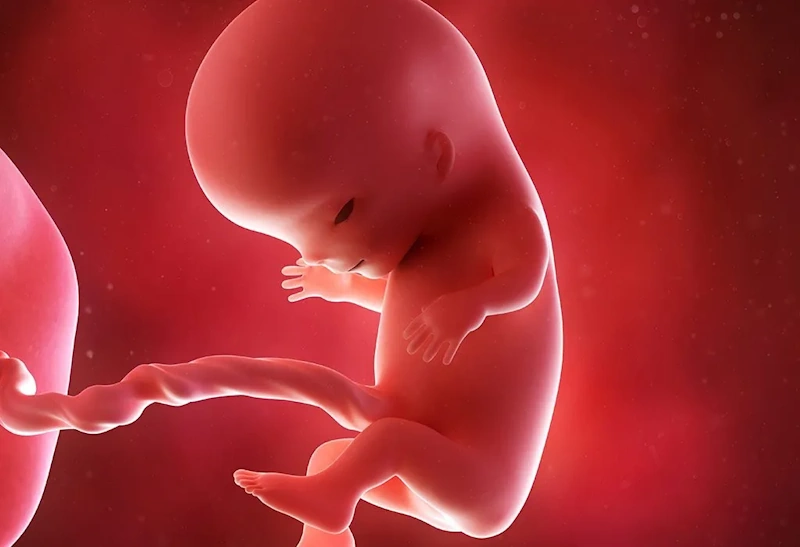
At 11th week of pregnancy, your baby measures about 41 millimeters (1.6 inches)—roughly the size of a fig!
Although the head is still large compared to the body, the limbs and torso are now growing rapidly. Fingers and toes are separating, tiny nails are forming, and ears are taking their place on the sides of the head.
This week marks a fascinating phase in your baby’s physical and neural development, while your own body continues to adapt to pregnancy’s incredible changes.
👶 Baby Development During the 11th Week of Pregnancy
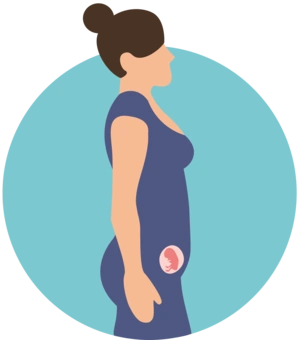
Sleep and Movement
Your baby now goes through short cycles of sleep and wakefulness lasting about 5–10 minutes. You might not feel the movements yet, but your baby is already kicking and stretching, testing those developing muscles.
Body Growth and Shape
By week 11, your baby’s arms and legs are growing faster than the head, giving a more human-like appearance. Most movements now happen through the arms and legs, and if you could see inside, you’d notice subtle, rhythmic motions.
Gender Formation
If it’s a girl, her ovaries are forming; if it’s a boy, the testes and scrotum are developing. However, it’s still too early to determine gender accurately by ultrasound—usually possible around weeks 14–16.
Organ Development
Almost all major organs are formed by this week.
- Lungs continue developing their tissue.
- The circulatory system begins working independently.
- The pancreas starts producing insulin and digestive enzymes.
- The intestines prepare for their future role in digestion.
Skin, Hair, and Bones
Your baby’s skin is thickening and becoming more opaque.
Tiny hair follicles are appearing beneath the skin, while the jawbone is hardening and forming the first buds of baby teeth. Even vocal cords are beginning to develop.
🤰 Your Body at 11th week of pregnancy
Pelvic Pain and Discomfort
As your uterus expands, you might feel mild pain or pulling sensations between your belly button and groin. This happens because the pelvic ligaments stretch to accommodate the growing uterus.
- Try resting with your legs elevated.
- Use a warm compress (not hot).
- Practice gentle stretching exercises.
If pain becomes severe or is accompanied by bleeding, contact your OB-GYN immediately.
First-Trimester Screening Tests
Week 11 is typically when doctors recommend first-trimester screening to assess the risk of chromosomal abnormalities such as Down syndrome.
These tests include:
- Blood work to measure PAPP-A and β-hCG levels
- Nuchal translucency ultrasound (NT scan) to evaluate fluid behind the baby’s neck
The results, combined with your age and medical history, provide an estimate of genetic risks. These screenings detect over 80% of major chromosomal disorders.
Diagnostic Follow-Up Tests
If your screening test is positive or inconclusive, your doctor may suggest CVS (Chorionic Villus Sampling) or Amniocentesis for definitive results.
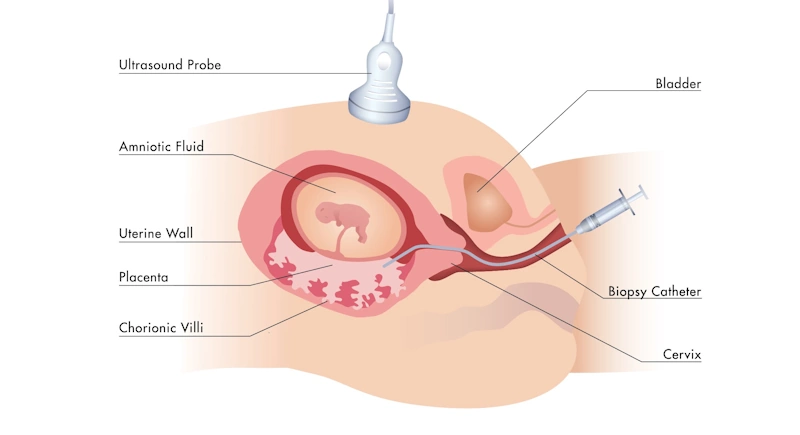
These procedures are safe when performed by experienced specialists and help confirm or rule out chromosomal issues.
Excessive Saliva (Ptyalism)
Some women experience increased saliva production during the first trimester, often linked with morning sickness.
This condition usually resolves by the end of the first trimester. Staying hydrated, chewing sugar-free gum, or sucking on ice chips may help relieve discomfort.
💄 How You Feel: Appearance, Emotions & Energy
Concerns About Physical Appearance
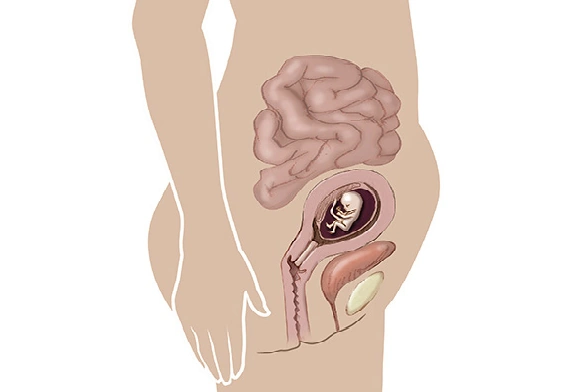
Pregnancy affects every woman differently. Some experience the famous “pregnancy glow,” while others face breakouts, puffiness, or fatigue.
To boost confidence and well-being:
- Treat yourself to a manicure or a gentle beauty routine.
- Choose comfortable, stylish maternity clothes.
- A touch of light makeup can brighten your mood.
Avoid extreme dieting—your baby needs balanced nutrition. If you’re worried about weight gain, speak with your doctor or a prenatal nutritionist.
Migraines and Headaches at 11th week of pregnancy
Hormonal fluctuations can trigger migraines, even if you’ve never had them before. Common symptoms include one-sided head pain, nausea, and sensitivity to light or sound.
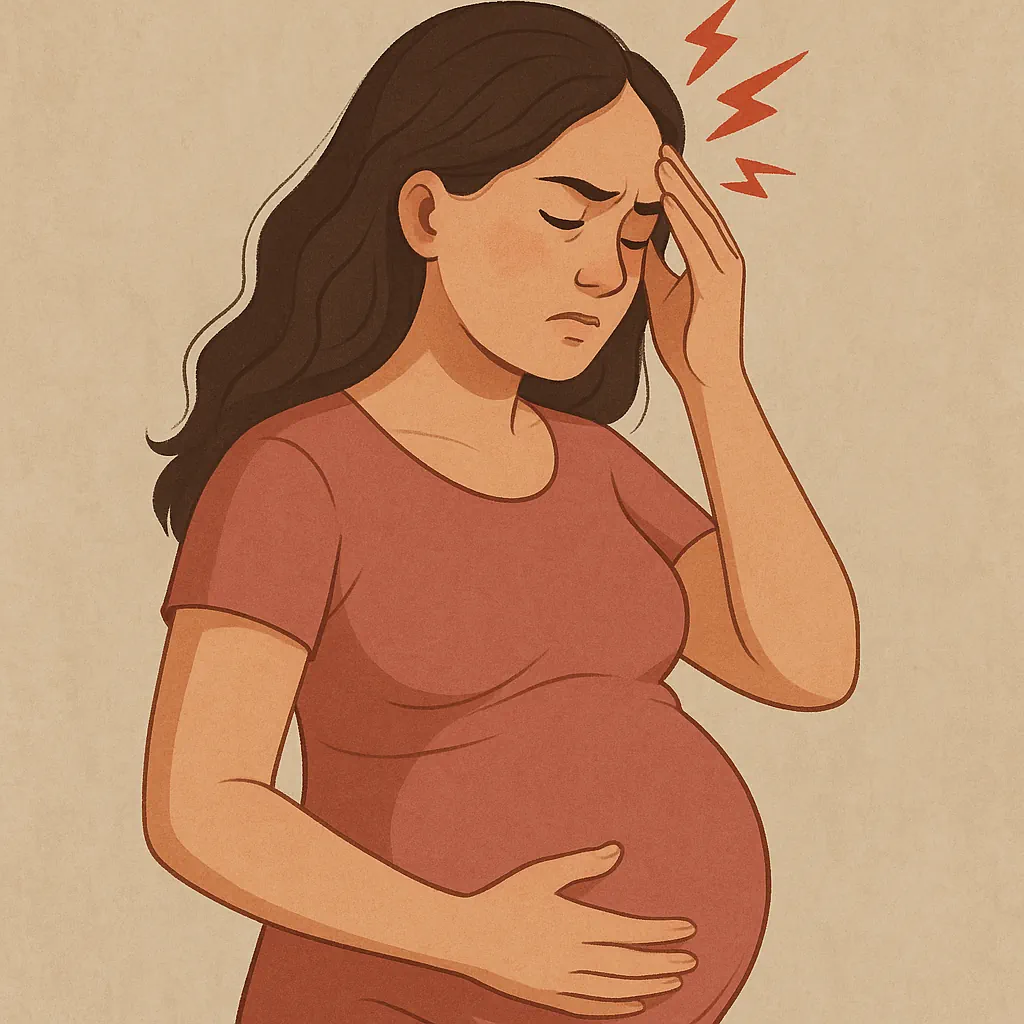 Common migraine triggers include:
- Foods like aged cheese, chocolate, caffeine, or smoked meats
- Environmental factors: bright lights, strong odors, or weather changes
- Stress, fatigue, and irregular sleep patterns
To manage migraines safely:
- Rest in a dark, quiet room.
- Apply a cold compress to your forehead.
- Take acetaminophen (Tylenol) only if recommended by your doctor.
Avoid ibuprofen or aspirin, which can harm fetal kidneys.
👉 The good news: Migraines often ease during the second trimester as hormone levels stabilize.
Changes in Sexual Desire
During the first trimester, hormonal shifts, nausea, and fatigue may reduce your sex drive. Don’t worry—this is temporary.
By the second trimester, most women notice their libido returning.

If your partner feels neglected, focus on emotional closeness:
- Take walks together.
- Watch a movie in bed.
- Give each other massages.
Small gestures of affection strengthen connection during this transitional time.
Social Life and Friendships at 11th week of pregnancy
Pregnancy can subtly change your relationships.

- Friends who already have children will relate to you more.
- Single or child-free friends may worry about losing touch.
- Friends struggling with infertility might find it emotionally difficult to be around pregnant women.
Handle these dynamics with empathy. If you’re sharing your pregnancy news, consider doing so privately with sensitive friends. Understanding and kindness go a long way.
🥗 Nutrition and Exercise at 11th week of pregnancy
Cravings and Aversions at 11th week of pregnancy
It’s normal to crave sweets or junk food—but moderation is key.

If you crave chocolate or ice cream, have a small amount occasionally, not daily.
However, cravings for non-food items like clay, starch, or detergent (a condition called pica) are dangerous—contact your doctor immediately.
If meat makes you nauseous, replace it with protein-rich alternatives such as eggs, dairy, legumes, or nuts.
Sushi and Raw Fish
Avoid sushi made with raw fish, which can contain harmful bacteria, parasites, or viruses like hepatitis A or listeria.
You can safely enjoy vegetable or cooked sushi rolls instead.
👉 For more information, read our guide: Safe Fish to Eat During Pregnancy.
MSG (Monosodium Glutamate) Concerns
MSG is a common food additive found in soups, sauces, and processed snacks.
Although no evidence proves it’s harmful in pregnancy, high sodium levels can cause water retention and high blood pressure.
Opt for fresh, low-sodium meals whenever possible.
Organic vs. Conventional Foods
Many expectant mothers wonder if it’s worth paying extra for organic produce.

According to the American Dietetic Association, there’s no strong evidence that organic foods are more nutritious.
However, the Environmental Working Group (EWG) recommends choosing organic options for certain high-pesticide fruits and vegetables.
Fruits and Vegetables with Higher Pesticide Residue:
Apples, bell peppers, celery, cherries, grapes, nectarines, peaches, pears, potatoes, raspberries, spinach, and strawberries.
Lower Pesticide Options:
Asparagus, avocados, bananas, broccoli, cauliflower, corn, kiwis, mangoes, onions, melons, pineapples, and sweet peas.
Regardless of your choice, aim for 2–4 servings of fruit and 3–5 servings of vegetables daily, and wash them thoroughly.
Kegel Exercises in 11th week of pregnancy
As your uterus grows, extra weight puts pressure on your pelvic floor muscles—the group that supports your bladder, uterus, and rectum.
Practicing Kegel exercises helps strengthen these muscles, reduce the risk of urinary leakage, and prepare your body for delivery.

How to Perform Kegels:
- Tighten your pelvic muscles as if stopping urination.
- Hold for 4 seconds, then relax for 4 seconds.
- Repeat 10 times per session, several times a day.
💡 Tip: You can do them anywhere—at work, while driving, or watching TV!
❓ Common Questions During the 11th Week of Pregnancy
Can I Get Chickenpox During Pregnancy?
If you’ve had chickenpox or been vaccinated, you’re likely immune.
If not, contact your doctor immediately. You may need a Varicella-Zoster Immune Globulin (VZIG) injection within 96 hours of exposure to prevent infection.
In rare cases, chickenpox can cause pneumonia or fetal complications—timely care is crucial.
What About Other Contagious Diseases?
You can’t avoid every infection, but good hygiene helps. Wash your hands frequently and avoid sharing utensils.
If you’re exposed to illnesses like the fifth disease (parvovirus B19), notify your doctor. Although rare, these infections can cause fetal anemia or miscarriage in early pregnancy.
What Is Cytomegalovirus (CMV)?
CMV is a common virus that often causes mild, flu-like symptoms (fever, sore throat, fatigue).
If contracted for the first time during the first trimester, it can cause serious birth defects, such as hearing loss or vision problems.
To prevent infection:
- Wash hands after changing diapers.
- Avoid sharing food, drinks, or utensils.
If you’ve already had CMV before pregnancy, your risk of reinfection complications is much lower.
What Is Lyme Disease and Is It Dangerous?
Lyme disease, spread by tick bites, usually starts with a red rash and flu-like symptoms.
Early treatment with antibiotics safe for pregnancy (like ampicillin or cephalexin) is highly effective.
To prevent Lyme disease:
- Check yourself and pets for ticks after outdoor activities.
- Remove ticks promptly using tweezers.
- Note that it takes 36–48 hours for a tick to transmit bacteria.
External Sources:



No comment