
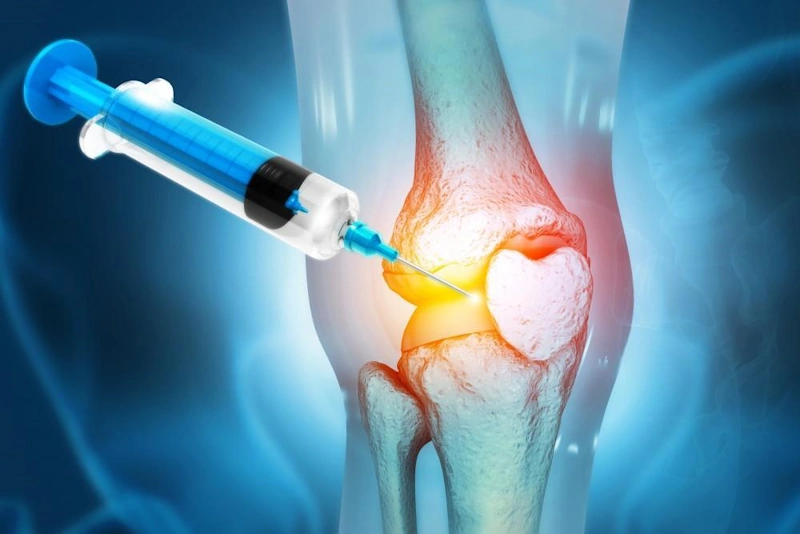
Platelet-Rich Plasma (PRP) therapy (Plasmatherapy) is an innovative medical and aesthetic procedure used for the regeneration and rejuvenation of the body’s tissues. This technique utilizes the patient’s own blood to extract and concentrate platelets and the growth factors found in plasma. This potent concentrate is then injected directly into the target area. Once injected, the platelets release a powerful cocktail of growth factors that stimulate and accelerate the body’s natural healing and repair processes, leading to improved and strengthened tissue.
How Does PRP Work?
Platelets are blood cells best known for their role in clotting. However, they are also packed with bioactive proteins, including growth factors and cytokines, which are crucial for initiating and regulating tissue repair, collagen production, and angiogenesis (the formation of new blood vessels). By delivering a high concentration of these healing factors directly to a specific site, PRP supercharges the body’s innate regenerative capabilities.
The PRP Procedure Step-by-Step
The PRP therapy process is straightforward and typically completed in one session, lasting about 30 to 60 minutes.
-
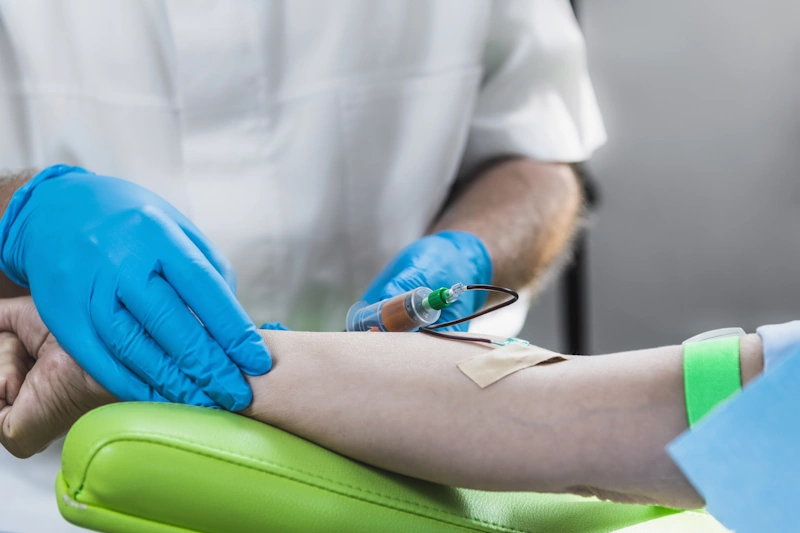
Blood Draw: A small amount of blood (similar to a standard lab test) is drawn from the patient’s arm.
-
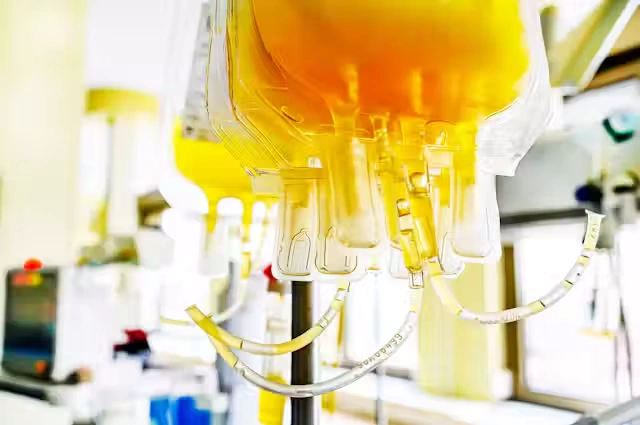
Plasma Separation: The blood is placed in a specialized test tube and spun in a centrifuge machine. This process separates the blood into its components: red blood cells, platelet-poor plasma, and platelet-rich plasma.
-
Preparation for Injection: The PRP layer is carefully extracted from the tube.
-
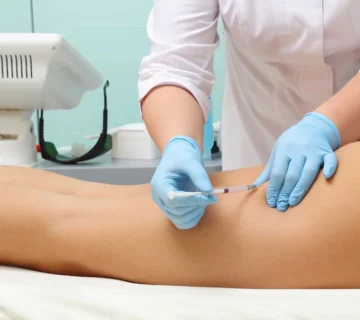
Injection into the Target Area: The prepared PRP is injected directly into the area requiring treatment, such as the scalp, face, or a injured joint. Microneedling is often used in conjunction with facial PRP to enhance absorption and results.
Applications of PRP Therapy
PRP has a wide range of applications across various medical and aesthetic fields:
-
Aesthetics and Skin Rejuvenation (The “Vampire Facial”): PRP is used to:
-
Reduce fine lines and wrinkles
-
Improve skin texture, tone, and elasticity
-
Diminish the appearance of acne scars and other scars
-
Refine pores and create an overall more youthful complexion
-
-
Hair Loss Treatment: For conditions like androgenetic alopecia (male and female pattern baldness) and other non-genetic hair thinning, PRP injections into the scalp can:
-
Stimulate dormant hair follicles
-
Promote new hair growth
-
Increase hair thickness and density
-
-
Wound and Scar Healing: PRP helps accelerate the healing process for chronic wounds and improves the appearance of existing scars.
-
Treatment of Musculoskeletal Injuries: In orthopedics and sports medicine, PRP is increasingly used to treat:
-
Osteoarthritis in knees, hips, and other joints
-
Tendon injuries (e.g., tennis elbow, golfer’s elbow, Achilles tendinitis)
-
Ligament sprains and muscle injuries
-
Advantages of PlasmaTherapy
-
Minimally Invasive: The procedure is non-surgical, requires no incisions or sutures, and has a low risk profile.
-
Autologous and Natural: Because it uses the patient’s own blood, the risk of allergic reactions, rejection, or transmitted infections is virtually eliminated.
-
Long-Lasting and Natural Results: By stimulating the body’s own collagen production and tissue regeneration, PRP provides gradual, natural-looking, and sustainable results compared to synthetic fillers.
-
Dual Benefits: For cosmetic use, it addresses both skin quality (texture, tone) and volume loss by promoting collagen.
Potential Side Effects and Limitations
PRP is generally very safe. However, as with any injection-based procedure, some temporary side effects may occur:
-
Common: Pain, redness, swelling, bruising, or tenderness at the injection site. These typically resolve within a few days.
-
Contraindications: This treatment is not suitable for everyone. It is generally not recommended for:
-
Individuals with blood disorders (e.g., thrombocytopenia) or bleeding problems.
-
Those with active infections, cancer, or autoimmune diseases in the treatment area.
-
Patients who are pregnant or breastfeeding.
-
Conclusion Plasmatherapy
Platelet-Rich Plasmatherapy has gained significant popularity as a modern and effective method for aesthetic enhancement and treating damaged tissues. Its appeal lies in harnessing the body’s natural healing power to deliver satisfying, natural-looking results with minimal risk. PRP is an excellent choice for individuals seeking a minimally invasive, natural solution for skin rejuvenation, hair restoration, or accelerated healing of musculoskeletal injuries.
As with any medical procedure, it is crucial to consult with a qualified and experienced healthcare provider to determine if you are an ideal candidate for PRP therapy and to ensure the treatment is performed under sterile and optimal conditions.
To book a consultation and see if PRP is right for you, please click on the link below.


No comment