

The birth of a newborn is one of the most important and, at the same time, most challenging events in parents’ lives. The first week of a newborn, especially for parents welcoming their first child, is filled with questions, concerns, and important decisions.
During this period, knowing what to do after a baby is born, which changes are normal, and how to prepare for caring for a newborn plays a crucial role in parents’ peace of mind and the baby’s health.
What Should You Do After Your Baby Is Born? (A Quick Guide to the First Week)
After a baby is born, many parents wonder where exactly they should start. The first week of a newborn’s life is primarily about calmness, regular feeding, and basic care. During these days, your main focus should be on meeting the baby’s basic needs and ensuring the mother gets adequate rest.
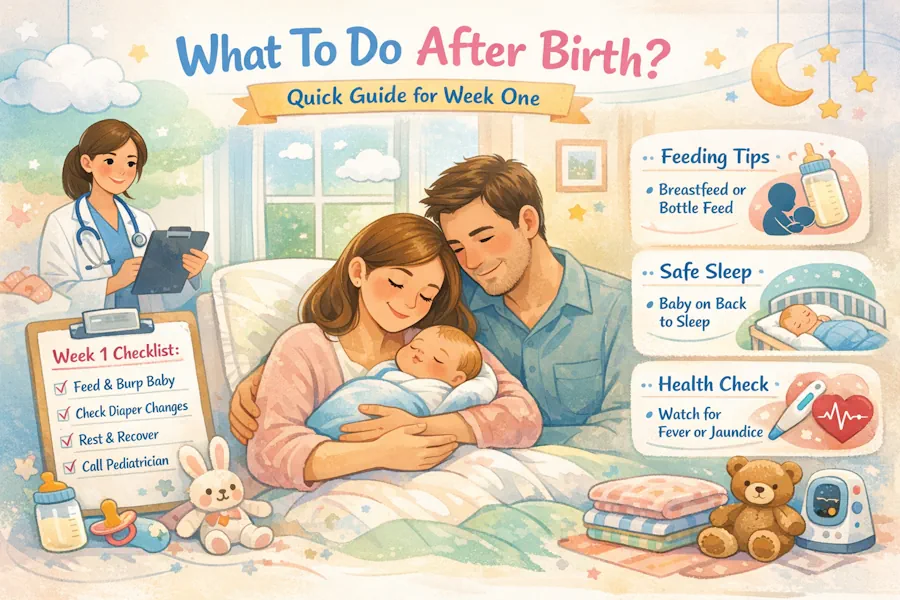
The most important things to do after a baby is born include:
-
Regular feeding and responding to the baby’s hunger cues
-
Timely diaper changes and caring for the baby’s sensitive skin
-
Creating a calm, dimly lit, and quiet environment
-
Placing the baby on their back to sleep in a safe sleeping space
-
Paying attention to warning signs in both the mother and the baby
Knowing these simple principles helps parents get through the first week after birth with less stress and greater confidence.
According to the World Health Organization’s guidelines on newborn care, the first week after birth plays a very important role in a baby’s short-term and long-term health, and close attention to feeding, sleep, and warning signs during this period is essential.
The First Week of a Newborn: What Changes Are Normal?
The first week of a newborn’s life is one of the most sensitive and, at the same time, challenging periods for parents. Many mothers and fathers—especially first-time parents—experience a mix of joy, exhaustion, anxiety, and confusion during these days. These feelings are completely normal and are part of the process of adapting to the new role of parenthood.
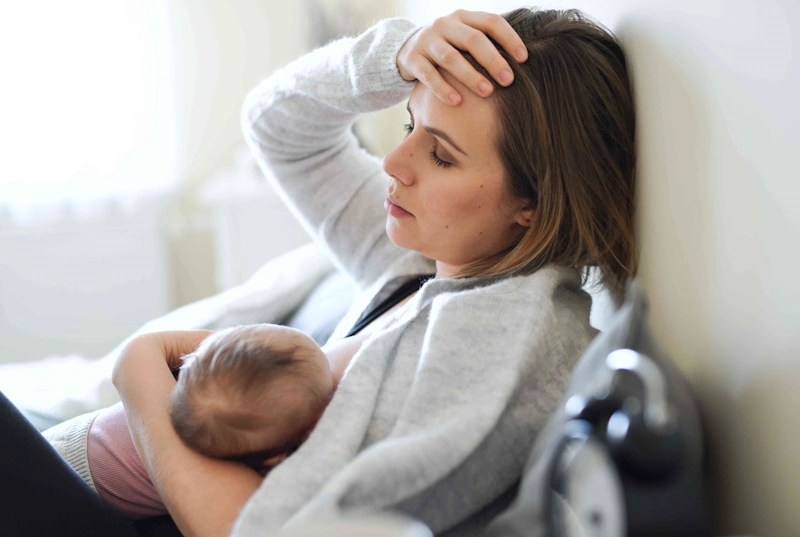
During this week, the mother’s body is still recovering from childbirth. Factors such as sleep deprivation, physical pain, and hormonal changes can lead to emotional sensitivity, sudden crying spells, or feelings of inadequacy. Worries about properly caring for the newborn, accidentally harming the baby, or lacking enough energy to be a good parent are common concerns during this period.
On the other hand, the newborn is also adjusting to a completely new world. Just days ago, the baby was in a warm, dark, and quiet environment. Now they are exposed to light, sounds, temperature changes, frequent handling, and diaper changes. For this reason, fussiness and crying during the first week are usually normal and gradually decrease as the baby feels more secure and comfortable.
At this stage, it is natural for parents to look at their baby with a mix of love, fear, and uncertainty and ask themselves, “What should we do after our baby is born?” The good news is that most newborn care skills are learned gradually through experience. Becoming familiar with what is normal during the first week helps parents get through this sensitive time with greater calm and confidence.
Changes in the Mother’s Body During the First Week After Birth
The first week after a baby is born is essentially the mother’s recovery period. Whether the delivery was vaginal or by cesarean section, the body has gone through significant stress and needs rest, care, and support. During this time, it is best to ask family members or others for help and to minimize heavy activities.
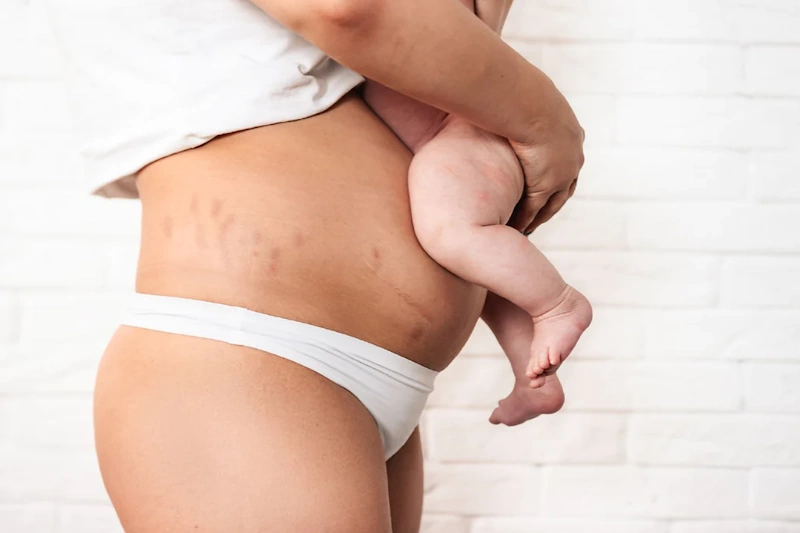
Below are the most common changes and symptoms a mother may experience during the first week after childbirth.
Uterine Contractions After Birth
In the first few days after delivery, the uterus gradually returns to its normal size, a process accompanied by uterine contractions. These contractions often become stronger during breastfeeding due to increased release of the hormone oxytocin.
The pain is usually similar to menstrual cramps and typically decreases or completely resolves by the end of the first week.
Pain at the Cesarean Incision Site
If you had a cesarean delivery, pain, burning, or a pulling sensation at the incision site is normal. If the area itches, avoid scratching it and keep the area clean using a sponge and water.
Check the incision daily for redness, discharge, or signs of infection, and strictly follow your obstetrician’s instructions regarding wound care and dressing changes.
Until full healing occurs, avoid climbing stairs and driving. Pain medications prescribed by your doctor are safe when used as directed, even during breastfeeding. Acetaminophen or ibuprofen can also help relieve pain.
Weight Changes During the First Week After Birth
During delivery, women typically lose between 4.5 and 7 kilograms of weight, while the remaining weight gradually decreases over the following weeks. It is normal to continue wearing maternity clothes for the first two weeks after birth.

Returning to pre-pregnancy weight requires time, proper nutrition, and patience.
Vaginal Discharge (Lochia) After Birth
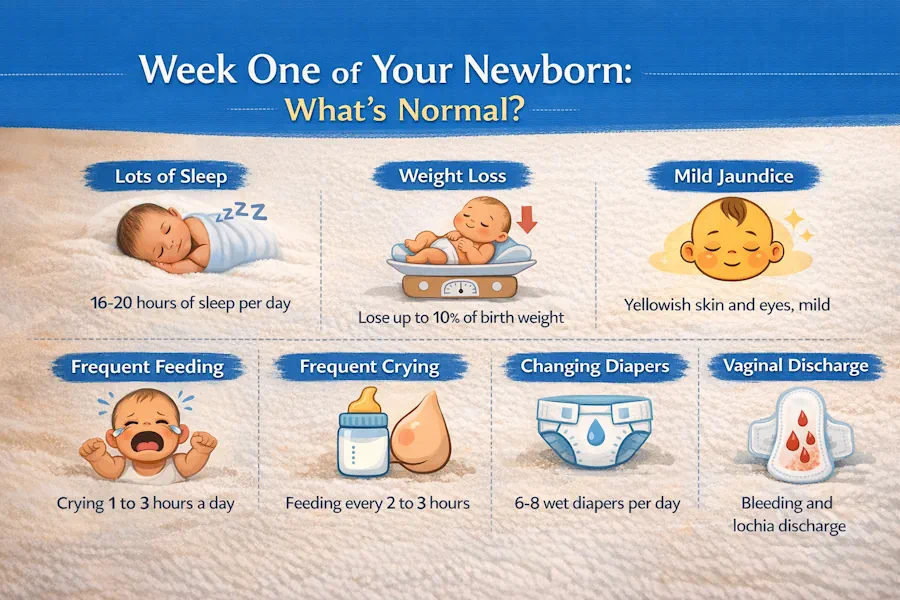
After delivery, a discharge called lochia, consisting of blood and uterine tissue remnants, exits the vagina.
In the first few days, lochia is bright red and relatively heavy, and blood clots may be present. Even larger clots can be normal, but excessive bleeding should be reported to a doctor.
After a few days, the discharge becomes pink and then turns brownish-yellow. This process may last up to five weeks. During this time:
-
Use sanitary pads only
-
Avoid tampons due to the increased risk of infection
Constipation During the First Week After Birth
The first bowel movement is often delayed until the third or fourth day after delivery. This can be especially uncomfortable if you had an episiotomy or vaginal stitches.
Drinking plenty of water, eating fiber-rich foods, and using stool softeners with a doctor’s approval can help relieve constipation.
Episiotomy Pain and Care
If you had a vaginal tear or episiotomy during delivery, this area will gradually heal during the first week.

To reduce pain and swelling:
-
Use cold compresses during the first 24 hours
-
Keep the area clean and dry
-
Use a peri bottle with warm water after urination
-
Take sitz baths with warm (not hot) water several times a day
Limit long walks and use a soft cushion when sitting.
Breast Engorgement and Pain in the First Week After Birth
Two to three days after delivery, the breasts may become swollen and painful as they fill with milk. Frequent breastfeeding is the best way to relieve this discomfort.
If the baby does not nurse enough to ease the pressure, expressing a small amount of milk or using cold compresses can help.
If you are not breastfeeding, using cabbage leaves and wearing a firm, supportive bra for 24 to 48 hours may help reduce swelling.
Hemorrhoids After Birth
Hemorrhoids after childbirth are common and usually resolve within a few weeks. Pain and discomfort can be relieved by using:
-
Sitz baths
-
Cold compresses
-
Witch hazel pads
-
Over-the-counter hemorrhoid creams
Adequate fiber intake and stool softeners also help with recovery.
How Much Does a Newborn Sleep and Eat in the First Week?
One of the most common concerns for parents during the first week is how much their newborn should sleep and how often they should feed. Sleep and feeding patterns during this week are irregular, and this is completely normal.
Below, we explain in detail what is considered normal for newborn sleep and feeding during the first week.
Newborn Care and Behavior in the First Week After Birth
The first week after birth is a time when parents’ full attention is focused on their newborn. Many parents are amazed by their baby’s physical features and behaviors—from hair color and finger shape to long sleep hours or frequent feeding needs.

During this week, you are learning the basics of newborn care, and it is normal for these days to be filled with a mix of excitement, worry, and fatigue.
Below are the most important aspects of a typical newborn’s day during the first week.
How Often Should a Newborn Feed?
Breastfed newborns typically need to feed every 2 hours, while formula-fed newborns usually feed every 3 hours. A newborn’s stomach is very small, which is why frequent feedings are completely normal.
Newborns have tiny stomachs and therefore require frequent feeding.
-
Breastfed babies usually nurse every 2 hours throughout the day and night
-
Formula-fed babies typically need feeding every 3 hours
A newborn’s stomach can hold only a small amount of milk (about 80–90 ml) at each feeding, and it digests milk quickly. As a result, feeding takes up a significant portion of parents’ daily time. Talking or singing to your baby during feedings helps build a strong emotional bond.
Crying in the First Week of Life
Even if all of a baby’s needs are met, crying is still a normal part of newborn behavior. Babies may cry up to three hours a day, and some—especially those with colic—may cry even more.
Crying is the baby’s only way to communicate and may indicate:
-
Hunger
-
A wet diaper
-
Fatigue
-
Discomfort or a need for comfort and closeness
The best response is holding the baby, speaking softly, and creating a sense of security. Holding a baby often does not spoil them.
Diaper Changes in Newborns
During the first week, newborns typically wet their diapers 6 to 8 times per day.
In the first few days, newborn stool is a sticky, black substance called meconium, which consists of materials accumulated in the intestines during pregnancy.
After that:
-
Breastfed babies have soft, yellow, seedy stools
-
Formula-fed babies have firmer, light brown stools
It is normal for babies to need a diaper change after nearly every feeding due to active digestive reflexes at this age.
How Many Hours a Day Does a Newborn Sleep?
Newborns usually sleep 16 to 20 hours per day, but their sleep is short and fragmented.
Most newborn sleep occurs in the REM (light sleep) stage because the nervous system is still developing.
Newborns typically do not sleep longer than 3 to 4 hours at a time and do not yet distinguish between day and night. Establishing a nighttime sleep pattern may take at least a month, which is why parental fatigue is completely normal.
The First Pediatric Visit After Birth
A newborn’s first medical check-up usually takes place within one week after birth. During this visit, the pediatrician:
-
Checks the baby’s weight (up to 10% weight loss is normal)
-
Measures head circumference
-
Assesses reflexes and motor development
-
Listens to the heart and lungs and examines the abdomen
The doctor will also ask about feeding, sleep, and crying patterns. It is helpful to bring a list of questions about sleep, crying, car seats, and daily care.
Jaundice in the First Week of Life
Jaundice during the first week is very common and usually occurs due to immature liver function.

If the baby’s skin or the whites of the eyes appear slightly yellow, it is usually not a cause for concern and often resolves on its own.
However, if you notice:
-
Severe or deep yellowing
-
Unusual sleepiness
-
Poor feeding
You should consult a pediatrician promptly.
Umbilical Cord Care
The remaining umbilical cord stump usually falls off within 1 to 2 weeks after birth. Current recommendations indicate that using alcohol is not necessary and may actually delay healing.
It is best to keep the cord dry and exposed to air.
Important tips:
-
Fold the diaper so it does not rub against the cord
-
Gently dry the area after bathing
-
Brown discoloration or dried discharge is normal
If you notice redness, swelling, pus, or a foul odor, consult a pediatrician.
What Is Normal in the First Week and Not a Cause for Concern?
Many changes and behaviors observed during a newborn’s first week are normal and not a cause for concern. Understanding these helps parents feel more at ease.
The following are usually normal during the first week:
-
Frequent, unexplained crying
-
Irregular, fragmented sleep
-
Initial weight loss up to 10%
-
Mild yellowing of the skin or eyes
-
A strong need for being held and physical contact
If these symptoms worsen or persist, consulting a pediatrician is recommended.
When Should the Mother See a Doctor?

During the first weeks after childbirth, seek medical care if any of the following occur:
-
Fever above 38°C (100.4°F)
-
Heavy vaginal bleeding
-
Redness, pain, or discharge from stitches or a cesarean incision
-
Pain or burning during urination
-
Unexplained leg pain or swelling
-
Foul-smelling vaginal discharge
-
Severe vaginal pain
-
Chest pain, nausea, or vomiting without a clear cause
-
Inability to control bowel movements
-
Severe depression, thoughts of self-harm or harming the baby, or hallucinations
-
Red, painful, or unusually warm breasts
Frequently Asked Questions About the First Week of a Newborn
How much does a one-week-old newborn sleep?
A newborn typically sleeps 16 to 20 hours per day during the first week. Sleep is fragmented, and babies rarely sleep more than 3 to 4 hours at a time. This pattern is normal due to the immature nervous system.
How often should a newborn feed?
Breastfed newborns usually feed every 2 hours, while formula-fed newborns feed every 3 hours. Frequent feeding is necessary because the newborn’s stomach is very small.
How many hours of crying are normal for a newborn?
Crying up to three hours a day is normal during the first week. Crying is the baby’s way of communicating needs such as hunger, fatigue, or discomfort.
Why does my newborn cry so much?
Newborns are adjusting to a new environment with light, sound, temperature changes, and physical sensations. Crying may signal hunger, a wet diaper, tiredness, gas, or a need for comfort.
Is jaundice normal in the first week?
Yes, mild jaundice is common and usually normal in the first week. It results from immature liver function. Severe jaundice or poor feeding requires medical evaluation.
Is weight loss normal during the first week?
Yes, weight loss of up to 10% of birth weight is normal. Most babies regain this weight by the end of the second week.
How many wet diapers should a newborn have?
Newborns usually have 6 to 8 wet diapers per day, which indicates adequate hydration and feeding.
When is crying or behavior not normal?
If crying is accompanied by fever, extreme lethargy, refusal to feed, repeated vomiting, or skin color changes, seek medical care promptly.
When does the umbilical cord fall off and how should it be cared for?
The umbilical cord usually falls off within 1 to 2 weeks. Keep it clean, dry, and exposed to air. Avoid alcohol unless advised by a doctor.
When should a newborn see a doctor after birth?
The first pediatric visit usually occurs within the first week after birth. Earlier evaluation is needed if concerning symptoms appear.
Conclusion: How to Get Through the First Week of a Newborn Calmly
The first week of a newborn’s life is filled with rapid changes, many questions, and mixed emotions for parents. Irregular sleep, frequent feeding, occasional crying, and physical changes in the baby are usually normal and part of the adjustment to life outside the womb.
During this time, focusing on basic needs such as regular feeding, safe sleep, and a calm environment is more important than having a strict routine. At the same time, caring for the mother’s physical and mental health plays a key role in the quality of newborn care.
Understanding what is normal during the first week and recognizing warning signs that require medical attention help parents navigate this sensitive period with greater confidence and peace of mind. Remember, parenting skills develop gradually with experience, and perfection is not required from the very beginning.
If at any point you feel uncertain or concerned, consulting a pediatrician or obstetrician is always the safest and most reliable decision.







No comment