
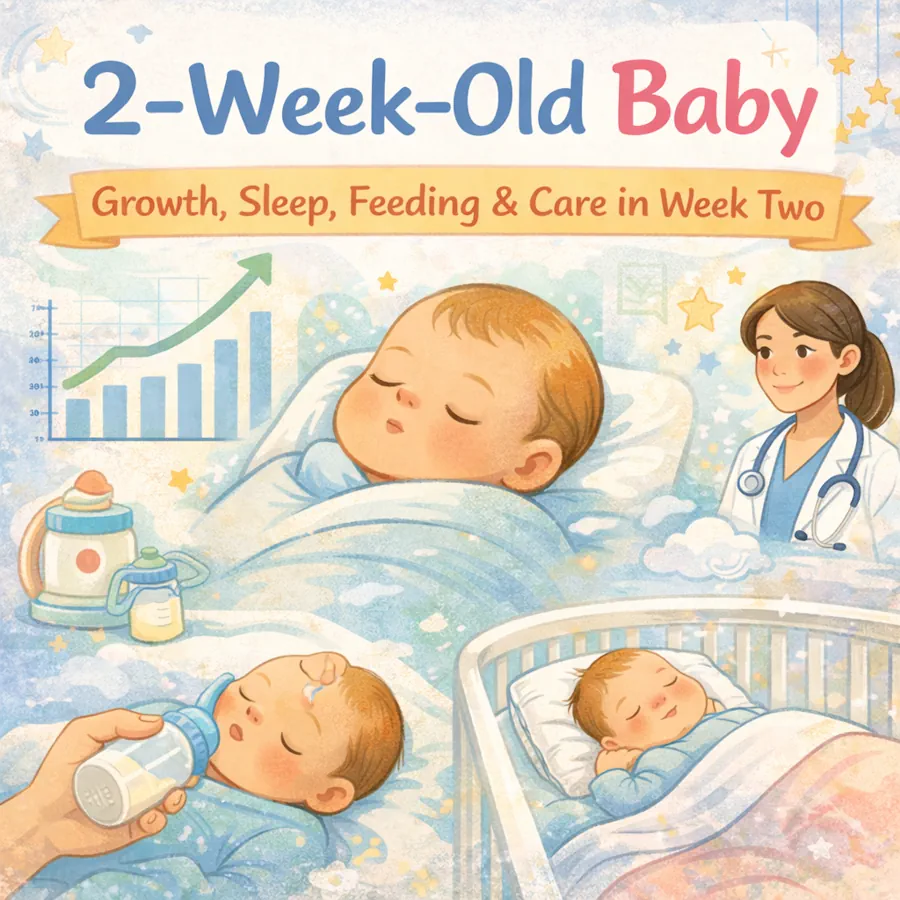
A two-week-old baby enters one of the most sensitive stages of early life. During the second week after birth, many parents have questions about their baby’s sleep patterns, feeding, weight gain, and hygiene care. At the same time, the mother’s body is still recovering from childbirth, which can make this period physically and emotionally challenging.
In this article, we comprehensively review what changes are normal during the second week of a newborn’s life, how the baby’s behavior and growth evolve, how to properly care for the baby, and which signs require medical attention. At the end, we also briefly address the mother’s physical condition during this period.
What Changes Occur in a Two-Week-Old Baby?
During the second week of life, the baby gradually adapts to the environment outside the womb. Although the baby still spends most of the time sleeping, subtle changes in behavior, movements, and responses can be observed, all of which are completely normal.
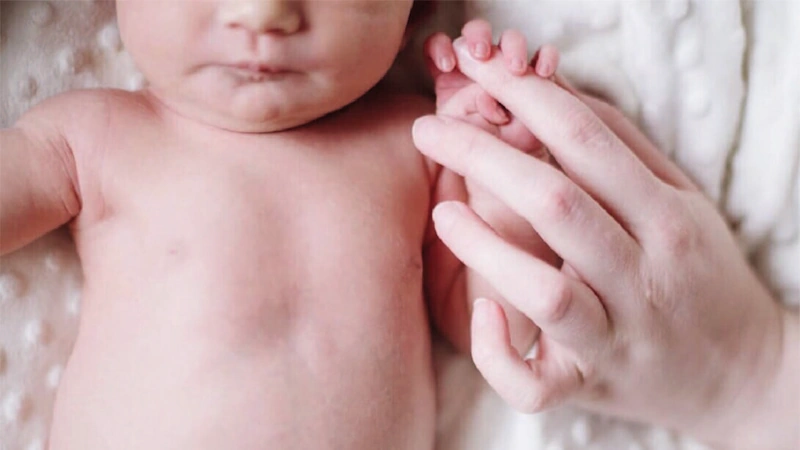
At this age, the baby may react to loud sounds or bright lights, move the arms and legs more actively, and even make brief eye contact. These movements indicate the gradual activation of the baby’s nervous and sensory systems.
Normal Behavioral Changes in a Two-Week-Old Baby
A two-week-old baby commonly experiences periods of fussiness and crying, most often due to hunger, the need for physical contact, or a wet or dirty diaper. During this week, some babies go through phases of more frequent feeding, which is normal and helps regulate the mother’s milk supply.
Parents may also notice increased fussiness at certain times of the day. This behavioral pattern is part of the baby’s gradual adjustment of their biological clock to the surrounding environment.
Physical Changes in a Two-Week-Old Baby
In the second week, the baby’s appearance may also change. Mild skin peeling, especially on the hands and feet, is common and not a cause for concern. The shape of the head, which may have appeared slightly asymmetrical at birth, gradually becomes more normal.
In many babies, the umbilical cord stump falls off by the end of the second week or shortly afterward, and the area begins to heal. Keeping the umbilical area clean and dry until complete healing is very important.
Sensory Responses in a Two-Week-Old Baby
A two-week-old baby becomes more sensitive to touch, sound, and the familiar scent of parents. The mother’s voice or skin-to-skin contact can have a calming effect. Although vision is still immature, the baby can briefly recognize nearby objects and the parents’ faces.
These responses reflect the gradual development of the baby’s senses and indicate that the nervous system is progressing normally.
Growth and Weight of a Two-Week-Old Baby
One of the most important indicators of a baby’s health during the second week is growth and weight gain. Most newborns lose some weight in the first days after birth, which is completely normal. However, by the end of the second week, a two-week-old baby is expected to regain most or all of their birth weight.
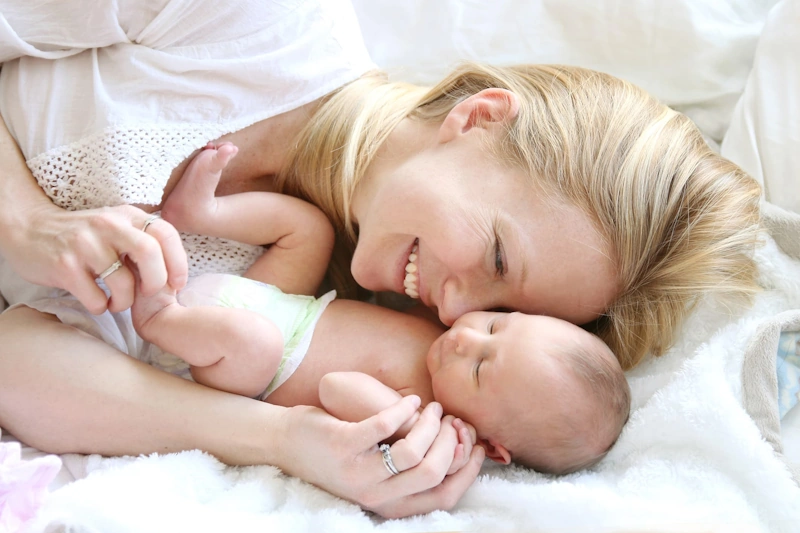
Weight gain during this period indicates that feeding is adequate and that the baby’s body is adapting to life outside the womb.
What Is the Normal Weight of a Two-Week-Old Baby?
The weight of a two-week-old baby depends on birth weight, feeding method, and overall health. In general:
-
Babies born at a normal weight usually regain their birth weight or slightly exceed it by the end of the second week.
-
A daily weight gain of approximately 20 to 30 grams is considered normal at this age.
If the baby has not yet reached birth weight but shows a positive trend in weight gain, it is usually not concerning; however, medical evaluation is recommended.
Length and Head Circumference Growth in the Second Week
During the second week, changes in length and head circumference are less noticeable than weight gain, but growth continues. During routine checkups, the physician measures:
-
The baby’s length
-
Head circumference
These measurements help ensure normal brain and skeletal development. Stable or gradually increasing values indicate good overall health in a two-week-old baby.
When Should We Be Concerned About Growth?
Medical evaluation is recommended if:
-
The baby continues to lose weight by the end of the second week
-
Feeding is weak or irregular
-
The number of wet diapers is below normal
-
The baby appears unusually lethargic or excessively sleepy
Sleep in a Two-Week-Old Baby (Normal Sleep–Wake Pattern)
Sleep in a two-week-old baby is still irregular and very different from adult sleep patterns. At this age, the baby sleeps most of the day and night, with frequent awakenings usually due to hunger or the need for a diaper change.
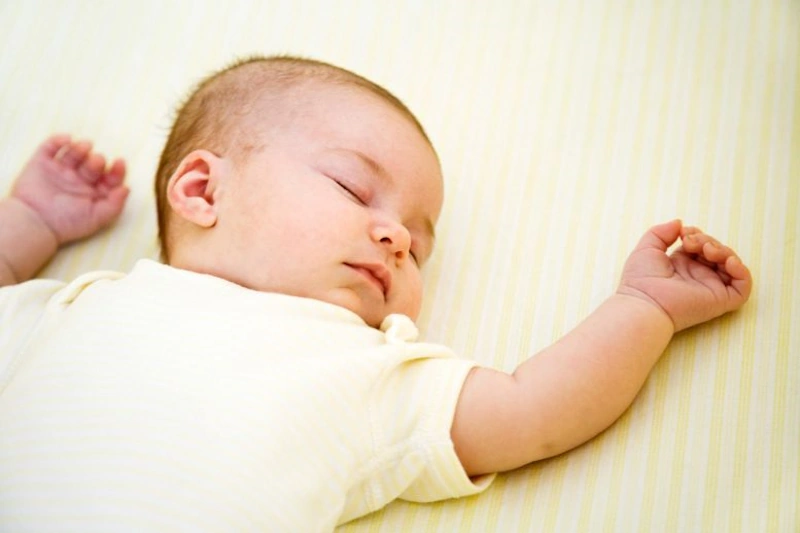
On average, a two-week-old baby sleeps 14 to 17 hours per day, divided into short and irregular intervals. Waking every 2 to 3 hours is completely normal.
Why Is Sleep Irregular at This Age?
During the second week, the baby’s circadian rhythm is not fully developed. The baby does not yet distinguish between day and night, and sleep–wake cycles are primarily driven by feeding needs.
Common reasons for frequent waking include:
-
Hunger and the need to feed
-
Discomfort from a wet or dirty diaper
-
The need for physical comfort and closeness
-
Mild digestive discomfort or gas
Is Sleeping a Lot Normal for a Two-Week-Old Baby?
Yes. Prolonged and frequent sleep is normal at this age and plays a crucial role in brain and nervous system development. However, if the baby is difficult to wake for feeding or appears excessively lethargic, medical advice should be sought.

How Can Parents Support Healthy Sleep Patterns?
Although a consistent sleep schedule is not expected at this age, a few measures can help establish healthy sleep habits:
-
Expose the baby to natural daylight during the day
-
Keep nighttime environments quiet and dim
-
Place the baby down when drowsy but still awake after feeding
-
Avoid excessive stimulation or vigorous rocking before sleep
These steps gradually help the baby differentiate between day and night.
When Is Sleep a Cause for Concern?
Consult a physician if:
-
The baby feeds less than usual
-
Waking the baby for feeding is very difficult
-
Excessive sleep is accompanied by poor weight gain or lethargy
Feeding and Milk Intake in a Two-Week-Old Baby
Proper feeding during the second week of life is essential for growth, weight gain, and comfort. A two-week-old baby feeds exclusively on milk, and feeding frequency may seem confusing to parents, but it is usually normal.
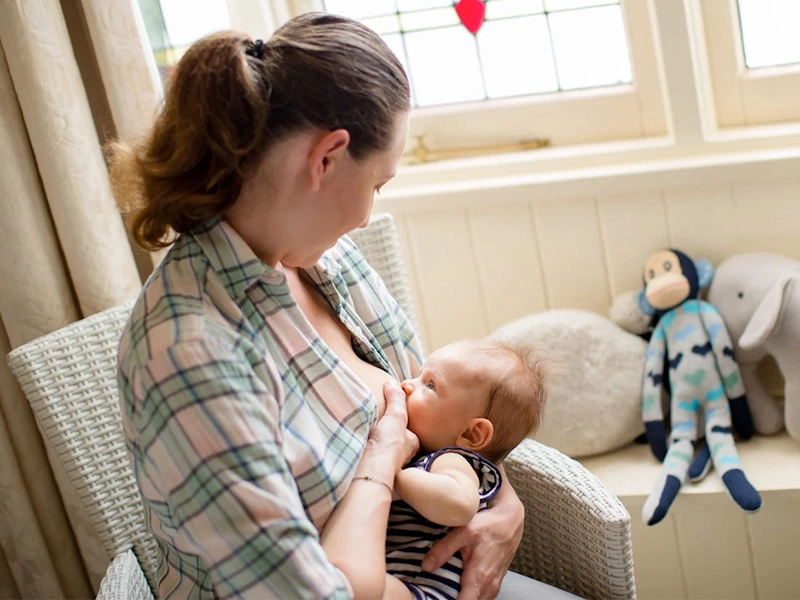
Breast milk is the best and most complete source of nutrition at this age. If breastfeeding is not possible, formula feeding should be done under medical guidance.
How Often Does a Two-Week-Old Baby Feed?
Most two-week-old babies:
-
Feed every 2 to 3 hours
-
Have 8 to 12 feeding sessions per day
Some babies experience cluster feeding, meaning several feedings in a short period. This is normal and helps increase milk production.
How Can Parents Tell If the Baby Is Full?
Signs that the baby is satisfied include:
-
Releasing the breast or bottle spontaneously
-
Appearing calm or sleepy after feeding
-
Producing regular wet diapers (at least 6 per day)
Adequate weight gain and post-feeding calmness usually indicate sufficient intake.
Spitting Up in a Two-Week-Old Baby
Spitting up small amounts of milk after feeding is common and usually harmless. The baby’s digestive system is still immature and typically improves with growth.
To reduce spitting up:
-
Keep the baby upright for several minutes after feeding
-
Burp the baby properly
-
Avoid overfeeding or feeding too quickly
Severe, forceful, or persistent vomiting, especially with poor weight gain, requires medical evaluation.
Sore Nipples During the Second Week of Breastfeeding
Nipple soreness is common during the second week of breastfeeding and is often due to improper latch. This issue usually improves within a few weeks with correct positioning.
To reduce discomfort:
-
Ensure the baby takes a large portion of the areola into the mouth
-
Vary breastfeeding positions
-
Allow nipples to air-dry after feeding
Prevention and Treatment of Breast Inflammation
To prevent nipple cracks and breast inflammation:
-
Apply a small amount of expressed breast milk to the nipples after feeding
-
Avoid frequent washing with soap
-
Wear a supportive, breathable cotton bra
-
Consult a physician or lactation consultant if pain or cracks persist
Hygiene Care for a Two-Week-Old Baby
During the second week, hygiene plays an important role in preventing infections and maintaining skin health. A two-week-old baby has very sensitive skin, so hygiene care should be gentle and appropriate.
Bathing a Two-Week-Old Baby
Bathing is safe if the baby’s general condition is stable. Daily baths are not necessary; twice a week is sufficient for most babies. Between baths, the face, neck, and diaper area can be cleaned with a soft cloth or sponge.
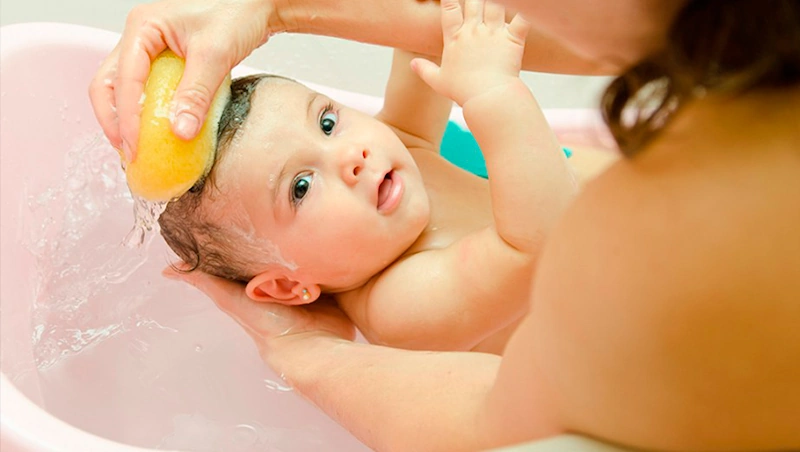
Room temperature should be around 24°C (75°F), and bath water should be warm, not hot. Prepare all supplies in advance to avoid leaving the baby unattended.
Supplies Needed for Bathing
-
Infant bathtub
-
Soft, clean towel
-
Soft washcloth or cotton cloth
-
Mild baby soap and shampoo
-
Cotton balls or pads
-
A small cup for rinsing
Always test the water temperature on the inside of your wrist.
Proper Bathing Technique
After undressing the baby, support the head and neck and gently place the baby into the tub. Clean the head first, then the body, using a damp cloth. Use only a small amount of soap to avoid skin dryness.

For cleaning the face and ears:
-
Clean only the outer ear
-
Never insert anything into the ear canal
-
Clean around the eyes with a damp cotton pad from the inner corner outward
After bathing, wrap the baby in a towel and gently dry.
Trimming a Two-Week-Old Baby’s Nails
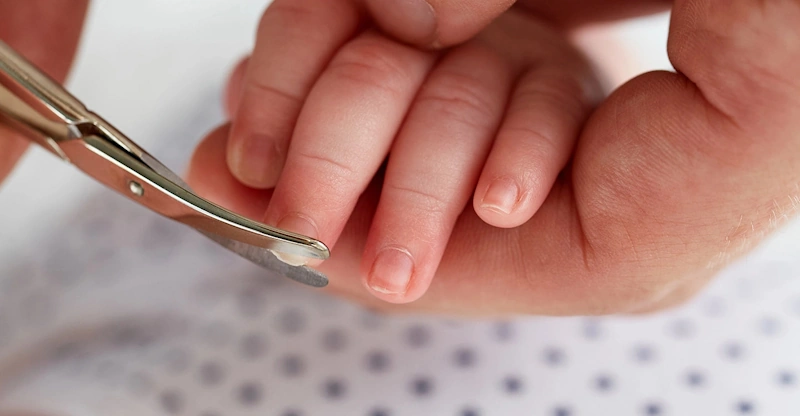
Nails grow quickly at this age and can scratch the baby’s face. The best times to trim nails are:
-
Immediately after bathing
-
While the baby is asleep
Use baby nail clippers and trim along the natural curve of the fingertip.
Reducing the Risk of SIDS (Sudden Infant Death Syndrome)
Sudden Infant Death Syndrome (SIDS) refers to the sudden and unexplained death of an otherwise healthy infant, usually during sleep. It occurs most commonly in infants under one year of age, with the highest risk in the first months of life.
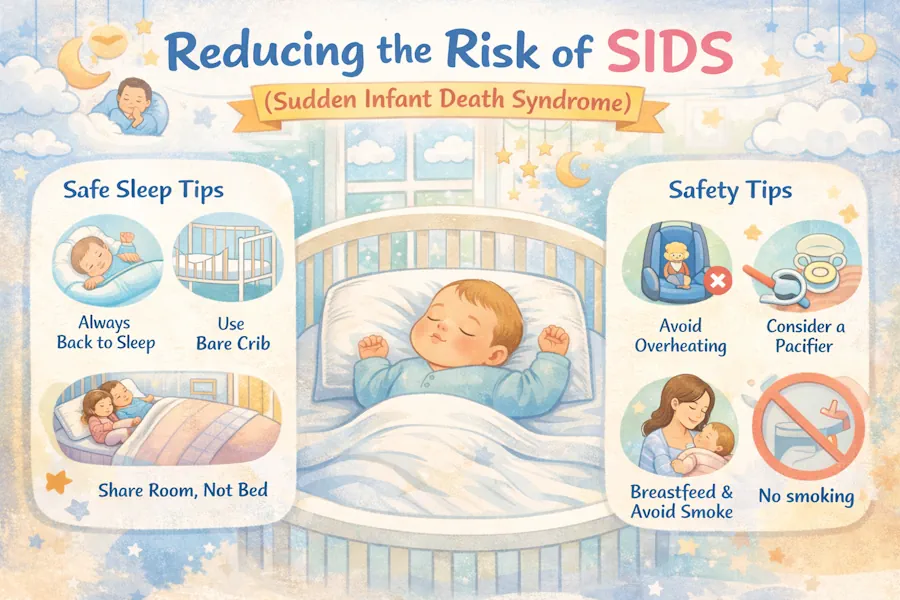
Although the exact cause is unknown, research shows that certain preventive measures significantly reduce the risk.
Safe Sleep Practices for a Two-Week-Old Baby
To reduce the risk of SIDS:
-
Always place the baby on their back to sleep
-
Use a firm, flat mattress
-
Have the baby sleep in a separate space but in the parents’ room
-
Avoid pillows, blankets, stuffed toys, or soft objects in the sleep area
Appropriate Temperature and Clothing
Overheating increases the risk of SIDS. To prevent this:
-
Avoid overdressing the baby
-
Keep room temperature moderate
-
If the baby’s neck or back is sweaty, they may be too warm
The Role of Feeding and a Healthy Environment
Protective factors include:
-
Breastfeeding, which is associated with a reduced risk of SIDS
-
Complete avoidance of tobacco smoke exposure
-
Regular health checkups and monitoring overall well-being
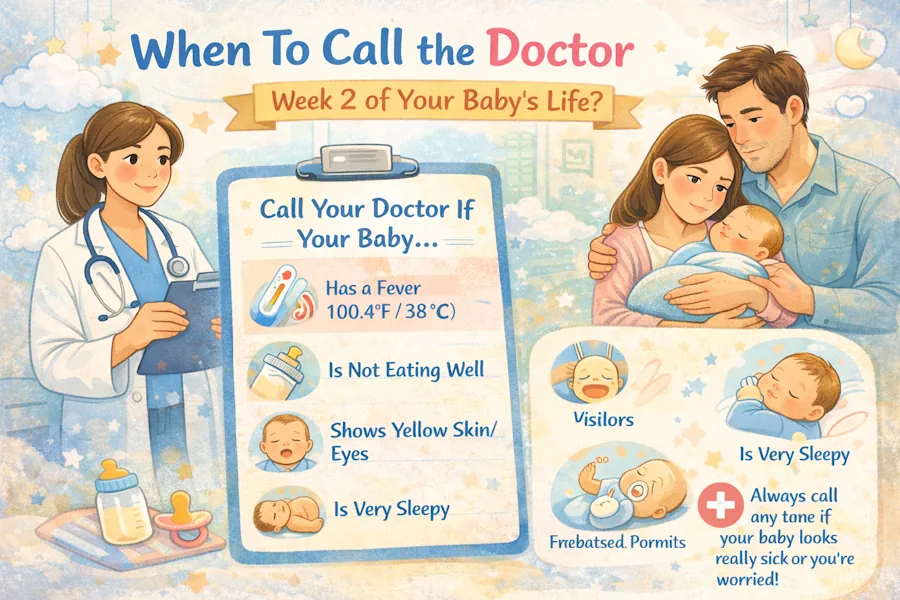
When Should You See a Doctor During the Second Week?
While most changes during the second week are normal, some signs require medical evaluation. Parental awareness plays a crucial role in early detection of potential problems.
Warning Signs in a Two-Week-Old Baby
Seek medical attention if the baby:
-
Is difficult to wake for feeding or appears persistently lethargic
-
Continues to lose weight or fails to regain birth weight by the end of the second week
-
Feeds poorly or has weak sucking
-
Has fewer than 6 wet diapers per day
-
Experiences severe or projectile vomiting
-
Has fever or abnormally low body temperature
-
Shows severe jaundice, bluish, or grayish skin color
-
Has inconsolable, prolonged crying
Signs of Infection or Local Problems
Medical evaluation is also needed if there is:
-
Redness, discharge, or foul odor from the umbilical area
-
Severe eye redness, discharge, or swelling
-
Widespread skin rashes, especially with fever
Trust Parental Instincts
If you feel that your baby’s behavior or condition is different from usual, even without obvious symptoms, consult a physician or midwife. Parental intuition is often an important guide for early detection of problems.
Timely medical care can prevent serious complications and provide reassurance for the family.
Frequently Asked Questions (FAQ) About a Two-Week-Old Baby
How many hours does a two-week-old baby sleep per day?
A two-week-old baby typically sleeps 14 to 17 hours per day, in short and irregular intervals. Frequent waking for feeding is normal.
How often does a two-week-old baby feed?
Most two-week-old babies feed every 2 to 3 hours. Periods of frequent or clustered feeding are also normal.
Is it safe to bathe a two-week-old baby?
Yes. Bathing is safe if the baby is stable. Bathing twice a week is usually sufficient.
What is the normal weight of a two-week-old baby?
Most babies regain their birth weight by the end of the second week. A daily weight gain of 20 to 30 grams is considered normal.
Is frequent crying normal at this age?
Yes. Crying is the baby’s primary way of communicating hunger, discomfort, or the need for comfort. Persistent or inconsolable crying should be evaluated.
Which symptoms require urgent medical attention?
Severe lethargy, poor feeding, fever, projectile vomiting, poor weight gain, or changes in skin color require medical evaluation.
Conclusion
The second week of a newborn’s life is a sensitive yet completely natural phase of growth and adaptation. Understanding sleep patterns, feeding needs, growth, and hygiene care in a two-week-old baby helps reduce parental anxiety and promotes a calmer family environment. Paying close attention to warning signs and seeking timely medical care when needed plays a vital role in maintaining the baby’s health




No comment